
Selecting the correct zipper for a tote bag depends on the bag’s dimensions, fabric weight, and intended use. For a standard tote bag, a closed-end zipper with a #5 gauge (teeth measuring approximately 5 mm wide) made of nylon coil or molded plastic is the most versatile and durable choice. The zipper length should match the width of the bag opening plus seam allowances, though using a slightly longer zipper and trimming it during assembly is often the most forgiving method. Matching these specifications ensures the zipper operates smoothly without straining the fabric or causing the bag to pucker.
Choosing the Right Zipper End Type for Your Tote Bag Opening
Closed-end zippers are the standard choice for classic tote bags. These zippers feature a metal or plastic stop at the bottom that prevents the slider from running off the track, keeping the two sides of the zipper tape permanently joined at the base. This design is ideal for top-opening totes where the bag’s side seams or top gussets remain stitched together, as it provides a secure, non-separating closure that keeps belongings safely inside.
Separating zippers allow the two halves of the zipper tape to detach completely, much like a jacket zipper. While less common for basic totes, separating zippers are necessary for specialized bag patterns, such as those featuring wrap-around gussets or designs that must open completely flat for packing. If your pattern requires the bag to split open entirely at the top band, a separating zipper is essential.
Products mentioned in this guide
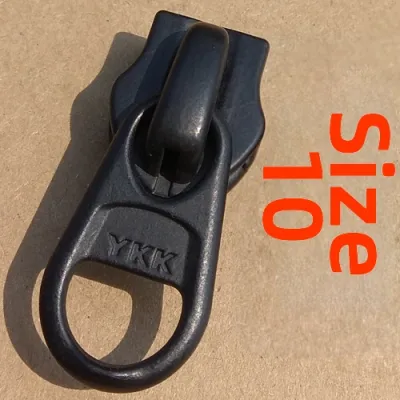
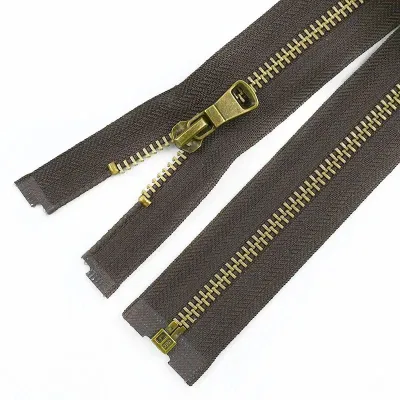
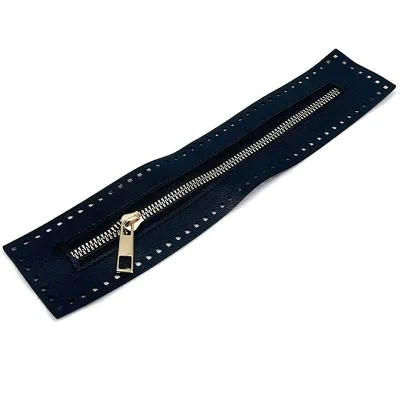
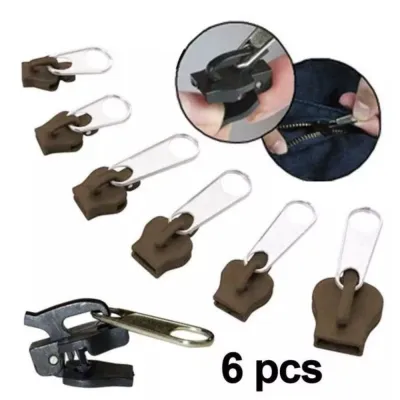
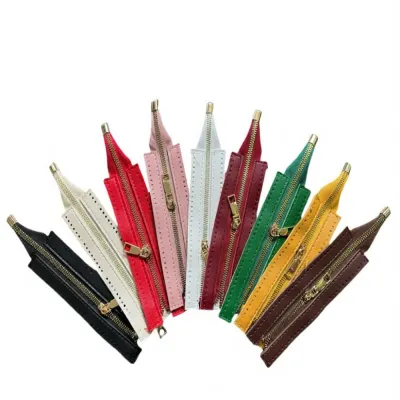
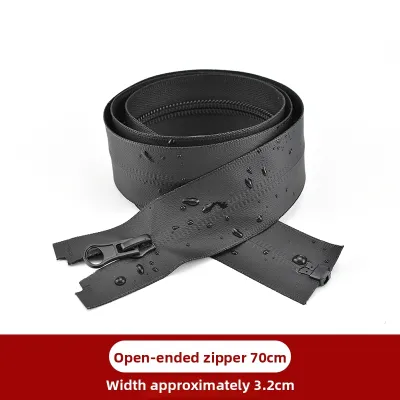
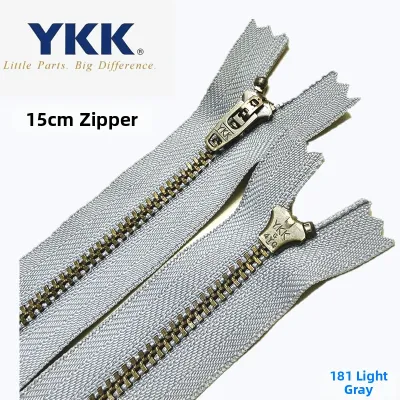
Prices are valid at publication and may change. Please refer to the product page for the latest price.
Before purchasing your haberdashery supplies, carefully review your sewing pattern’s construction steps. Most tote bag patterns specify whether a closed-end or separating zipper is required. If you are designing a custom bag, consider how wide you need the bag to open; a closed-end zipper is generally easier to install and offers greater structural stability for daily use.
Matching Zipper Gauge and Teeth Material to Your Fabric
Zipper gauge refers to the physical width of the zipper teeth when zipped closed, designated by a number such as #3, #5, or #10. A higher number indicates wider teeth and a stiffer zipper tape. For lightweight cotton or linen totes, a #3 zipper offers a discreet, flexible closure. However, for medium to heavy utility fabrics like canvas, denim, or waxed cotton, a #5 gauge is the optimal standard, offering the necessary strength to handle heavy loads without adding excessive bulk. Heavy-duty duffels or oversized market totes may occasionally require a #8 or #10 gauge.

The material of the zipper teeth also plays a critical role in the bag’s performance. Nylon coil zippers are highly flexible, lightweight, and forgiving; if a coil zipper is accidentally sewn over, the needle is less likely to break. Molded plastic zippers feature individually molded teeth that offer a chunky, modern look and excellent durability, making them ideal for casual, outdoor, or water-resistant totes. Metal zippers, made of brass, nickel, or aluminum, provide a classic, premium aesthetic and high tensile strength, but they are stiffer, heavier, and require careful handling to avoid needle breakage during sewing.
To prevent unsightly seam puckering or fabric tearing, you must match the zipper’s stiffness to the drape of your fabric. A stiff metal zipper sewn into a lightweight cotton tote will cause the fabric to sag and ripple. Conversely, a delicate nylon coil zipper on a heavy canvas bag will struggle under tension and may fail prematurely. Before stitching, drape your fabric over the zipper tape to observe how they interact; if the zipper forces the fabric into rigid folds, consider switching to a lighter gauge or a more flexible nylon coil.
Calculating the Exact Zipper Length for Your Bag Pattern
When purchasing a zipper, it is crucial to understand that the advertised length refers to the functional teeth length—the distance from the top stop to the bottom stop—rather than the total length of the fabric tape. The fabric tape extends roughly 1.5 to 2 centimeters beyond the stops at both ends to allow for sewing into seams. Always measure your bag’s opening based on the teeth length to ensure the zipper opening spans the entire functional width of the bag.
To calculate the exact zipper length needed for a clean, recessed zipper panel or a flush top opening, measure the finished width of the bag opening and add the seam allowances for both ends. For example, if your finished bag opening is 35 centimeters wide and you are using a 1.5-centimeter seam allowance on each side, you will need a zipper with a functional teeth length of at least 38 centimeters. If you are inserting zipper tabs (small fabric squares sewn onto the ends of the zipper), you will subtract the width of the tabs from your total zipper length calculation.
A highly practical workflow for bag making is to purchase a closed-end zipper that is slightly longer than your calculated requirement. This allows the metal stops to sit safely outside the sewing path while you install the zipper. Once the zipper is securely stitched to the bag panels, you can sew a secure bar tack across the teeth at the desired length and trim away the excess tape. This method eliminates the stress of matching an exact-fit zipper and prevents your sewing machine needle from striking hard metal stops.
Essential Fitting and Compatibility Checks Before Sewing
Before cutting your fabric or starting to sew, verify that the zipper tape width fits comfortably within your pattern’s designated seam allowance. Standard zipper tapes are typically 2.5 to 3 centimeters wide. If your seam allowance is too narrow, the zipper teeth may sit too close to the seam line, making it difficult for the sewing machine foot to pass or causing the fabric to catch in the slider during use.
Ensure that your zipper slider is fully compatible with the teeth type and gauge. If you are assembling a zipper from continuous zipper chain (zipper by the yard), you must use sliders specifically designed for that exact brand, material, and gauge—a #5 nylon coil slider will not function on a #5 molded plastic or metal zipper. Additionally, check that the slider moves smoothly along the entire length of the track without catching or splitting the teeth.
Always perform a test sew on fabric scraps that replicate the exact layers of your tote bag, including any interfacing or lining. This test allows you to adjust your machine’s thread tension and verify needle clearance. Use a zipper foot to get as close to the teeth as possible without stitching into them. Observe the test piece for any fabric puckering or skipped stitches, which can indicate that the needle size is too small for the heavy zipper tape or that the presser foot pressure needs adjustment.
Frequently Asked Questions (FAQ)
Can I use an invisible zipper for a heavy canvas tote bag?
No, invisible zippers are not recommended for heavy canvas tote bags. Invisible zippers feature very fine nylon coils mounted on the underside of a lightweight tape, designed to disappear into the seams of delicate garments. The weight of heavy canvas, combined with the stress of carrying items in a tote bag, will easily distort the fine coils, causing the zipper to split, jam, or break. For a low-profile look on a sturdy tote, use a standard #3 or #5 nylon coil zipper in a color that closely matches your fabric, and install it using a recessed zipper panel.
How do I shorten a closed-end zipper that is too long?
To safely shorten a closed-end zipper, first measure and mark the desired length on the zipper tape, measuring from the top stops downward. Using a sewing machine set to a wide zigzag stitch with the feed dogs dropped, or using a hand sewing needle with heavy-duty thread, sew a secure bar tack (about 6 to 8 stitches) directly over the zipper teeth at your mark to create a new bottom stop. Once the new stop is securely in place, trim the excess zipper tape approximately 2 centimeters below the new stop. Never cut the zipper before sewing the new stop, and avoid cutting through metal teeth with fabric shears; use wire cutters for metal zippers.

Community discussion
Share your experience or ask a question. Comments are reviewed before publication.