
YKK zipper size numbers represent the approximate width of the zipper teeth, or chain, in millimeters when the zipper is closed. For example, a #5 zipper has teeth that measure roughly 5 millimeters across. Understanding this numbering system is essential for selecting the correct zipper size, weight, and strength for your sewing, upholstery, or repair projects. Choosing the wrong size can lead to structural failure, bulkiness, or a zipper that is difficult to operate. By matching the size number to your fabric weight and the physical stress the item will encounter, you can ensure a durable and professional finish.
Decoding YKK Zipper Size Numbers
The numbering system used by YKK is a standardized way to categorize the physical size of the zipper teeth. The numbers, such as #3, #5, #8, and #10, scale sequentially. As the numbers increase, the physical width of the closed zipper chain increases, which directly correlates to the overall strength and weight of the zipper. A #3 zipper is delicate and lightweight, whereas a #10 zipper is thick, highly durable, and designed for heavy-duty applications.
While the size number generally corresponds to the width of the zipper chain in millimeters, it is important to note that this is an approximation. The exact measurement can vary slightly depending on the specific style and material of the zipper. For instance, a #5 metal zipper, a #5 nylon coil zipper, and a #5 molded plastic zipper may have minor differences in their actual chain widths and tooth profiles.
Products mentioned in this guide
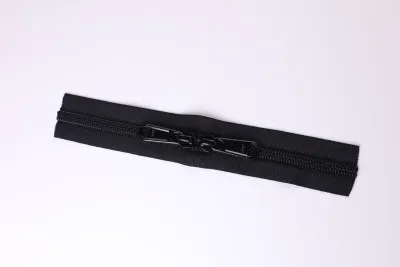
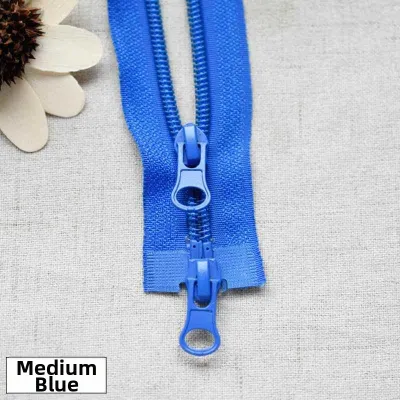
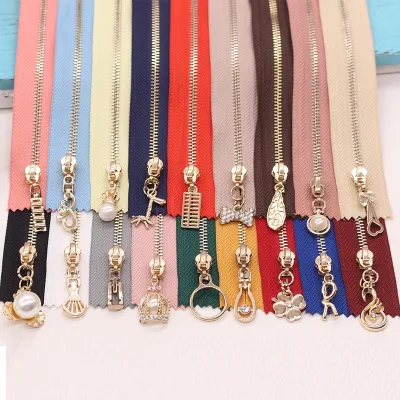
Prices are valid at publication and may change. Please refer to the product page for the latest price.
Because of these subtle variations, you should always check the specific product label or the manufacturer’s technical specifications when precise tolerances are required. Nylon coil zippers tend to have a flatter profile, while molded plastic and metal zippers have more pronounced, individual teeth that can slightly alter the measured width. Verifying these details ensures that your zipper fits perfectly within the designated seam allowance or zipper tape channel of your project.
Matching Zipper Sizes to Common Sewing Projects
Selecting the right zipper size requires balancing the weight of your fabric with the amount of tension the zipper will experience during use. If a zipper is too light, the teeth may separate under pressure; if it is too heavy, it will cause the fabric to drape poorly or pucker along the seam.

Lighter zipper sizes, such as #3 or #4, are ideal for lightweight garments and delicate home decor items. These are commonly used in dresses, skirts, lightweight blouses, and decorative cushion covers. Their low profile allows them to blend seamlessly into the fabric without adding unnecessary bulk or stiffness, preserving the natural drape of the material.
Medium zipper sizes, particularly #5, serve as the versatile workhorses of the sewing world. This size strikes an excellent balance between strength and flexibility. It is the standard choice for casual jackets, hoodies, backpacks, tote bags, and heavier home furnishing projects like sofa cushions. A #5 zipper provides enough durability to withstand daily wear and tear without feeling overly rigid.
Heavy-duty zipper sizes, such as #8 or #10, are reserved for high-stress applications and thick, rugged materials. You will typically find these sizes on heavy outerwear, canvas bags, luggage, tents, and marine gear. These zippers are designed to handle significant physical tension, dirt, and frequent pulling, ensuring that the closure remains secure even under extreme conditions.
Verifying Size and Hardware Compatibility
If you are working with a zipper that lacks its original packaging, you can easily verify its size using a standard ruler or a digital caliper. To do this, close the zipper and measure the width of the teeth (the chain) from one outer edge to the other, excluding the fabric tape. A measurement of approximately 3 mm indicates a #3 zipper, while 5 mm indicates a #5 zipper.
When purchasing replacement parts or customizing a zipper, compatibility is critical. Zipper pulls, sliders, and top or bottom stops are engineered to fit specific chain sizes and styles. A slider designed for a #5 metal zipper will not function on a #5 nylon coil zipper, nor will it fit a #3 chain. Always ensure that your hardware matches both the size number and the specific material type of your zipper chain.
Additionally, consider the care instructions of your project. Heavy metal zippers may react differently to frequent washing or dry cleaning compared to nylon or plastic alternatives. Ensure that the zipper material and size are compatible with the laundering requirements of the finished item to prevent shrinkage, rusting, or fabric damage over time.
Sourcing a 1m YKK Zipper: Finished vs. Continuous Chain
When your project requires a specific length, such as a 1-meter zipper, you must decide between purchasing a pre-finished zipper or buying continuous zipper chain by the meter. Both options offer distinct advantages depending on your project workflow and the level of customization required.
Pre-finished 1-meter zippers come ready to sew, complete with pre-installed top and bottom stops and a matching slider. This option is highly convenient for standard projects where a fixed 1-meter length is required, such as long coats, sleeping bags, or large cushions. It eliminates the need for manual hardware installation, saving time and reducing the risk of assembly errors.
Alternatively, continuous zipper chain, sold by the meter, offers maximum flexibility. This is the preferred choice if you need to cut multiple custom lengths from a single roll or if you are working on specialized applications like custom luggage or outdoor gear. When purchasing continuous chain, you must buy the matching sliders and stops separately. This allows you to customize the pull style and install single or double sliders depending on your design needs, though it requires a bit more assembly effort.
Frequently Asked Questions (FAQ)
Can I use a larger zipper pull on a smaller zipper chain?
No, you cannot use a larger zipper pull on a smaller zipper chain. Zipper sliders are precision-engineered to guide specific tooth shapes and widths into alignment. A mismatched pull will either slide off the chain entirely, fail to close the teeth, or cause permanent damage to the zipper mechanism. Always match the pull size and type directly to the chain.
Does the zipper material change the meaning of the size number?
The zipper size number always refers to the approximate width of the closed chain in millimeters, regardless of whether the zipper is made of metal, molded plastic, or nylon coil. However, the material does affect the zipper’s flexibility, weight, and performance. You must select both the correct size number for strength and the appropriate material for your fabric type.

Community discussion
Share your experience or ask a question. Comments are reviewed before publication.