
Selecting the right calligraphy brush is not about finding a single, ‘best’ calligraphy brush; the right choice depends entirely on the writer’s skill level, preferred script style, and desired stroke characteristics. The three primary categories of brush hair—wolf hair, goat hair, and mixed hair—each offer distinct levels of stiffness, ink absorption, and flexibility. Wolf hair brushes are stiff and highly resilient, making them excellent for sharp, structured lines. Goat hair brushes are exceptionally soft and absorbent, allowing for expressive, fluid strokes that require advanced control. Mixed hair brushes combine both materials to offer a balanced, versatile performance that serves as an ideal middle ground for many practitioners.
Understanding the Core Differences in Brush Materials
To make an informed choice, you must first understand how the biological structure of different animal hairs dictates their behavior on paper. The raw material of a brush determines how it holds ink, how it responds to hand pressure, and how easily it returns to its original shape after a stroke.
Wolf hair brushes, traditionally known as Langhao, are actually made from the tail hair of the Siberian weasel rather than actual wolves. This hair is naturally thick, straight, and highly elastic. When you press a wolf hair brush onto paper, the fibers resist bending and quickly spring back to a sharp point when lifted. This high resilience gives you immediate feedback, allowing you to execute crisp corners, sharp terminals, and fine, consistent lines with high precision.
Products mentioned in this guide
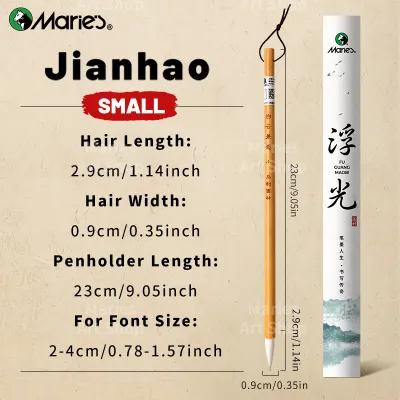
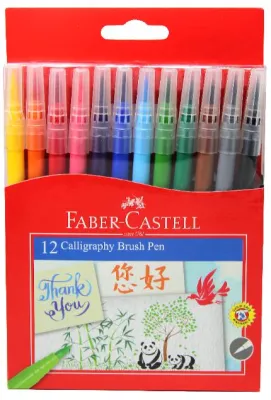
Prices are valid at publication and may change. Please refer to the product page for the latest price.
Goat hair brushes, or Yanghao, stand in stark contrast due to their extreme softness and lack of natural spring. Goat hair is fine, wavy, and highly porous, which gives it an extraordinary capacity to absorb and retain liquid ink. When writing with a goat hair brush, the tip does not automatically snap back into shape; instead, you must use deliberate wrist movements and precise pressure adjustments to reshape the brush head mid-stroke. This flexibility allows for a vast range of line widths and rich, organic textures, but it demands a highly disciplined hand.
Mixed hair brushes, known as Jianhao, are engineered to bridge the gap between these two extremes. Craftspeople typically construct these brushes with a stiff inner core—often made of wolf, rabbit, or horse hair—surrounded by a soft outer layer of goat hair. This dual-layer design allows the brush to hold a generous amount of ink in its outer reservoir while maintaining a resilient, springy spine at its center. The result is a balanced tool that offers both the forgiving nature of a stiff brush and the expressive ink capacity of a soft one.
Matching Brush Types to Your Calligraphy Style and Skill Level
Your choice of brush should align directly with the specific script you are practicing and your current level of brush control. Different historical scripts require distinct stroke dynamics that are easier to achieve with the correct hair type.

You should choose a wolf hair brush if you are primarily practicing regular script (Kaishu) or running script (Xingshu). These styles rely heavily on structured strokes, sharp transitions, and clearly defined entry and exit points. Beginners learning the foundational strokes of Chinese calligraphy will find wolf hair highly beneficial because the brush provides clear tactile feedback, making it easier to understand how pressure changes affect line width. The natural spring of the weasel hair helps maintain a sharp tip, preventing the strokes from becoming muddy or losing their shape.
Goat hair brushes are the preferred choice if you are focusing on clerical script (Lishu), seal script (Zhuanshu), or cursive script (Caoshu). These scripts often feature rounded, thick lines, slow and deliberate movements, or highly continuous, flowing strokes that require a large volume of ink. Because goat hair holds ink so well, you can write longer passages without needing to constantly reload your brush. However, because the hair is so soft, it is generally recommended for intermediate to advanced practitioners who have already mastered basic wrist control and can guide the limp fibers without losing structural integrity.
A mixed hair brush is highly recommended if you want a versatile, all-purpose tool that can handle multiple scripts without requiring a brush change. It is also the ideal transitional tool for intermediate students who are ready to move away from the stiff feedback of wolf hair but are not yet comfortable with the complete softness of pure goat hair. The mixed composition allows you to experiment with both structured, sharp strokes and softer, more expressive ink washes, making it a staple for general practice and everyday writing.
When selecting a brush, consider your paper and ink setup. Soft goat hair holds more ink, which can cause bleeding on highly absorbent, raw Xuan paper if your stroke speed is slow. Conversely, a stiff wolf hair brush paired with sized paper offers high smoothness and crisp lines. Because bleed resistance, drying speed, and smoothness depend on your specific combination of brush hair, ink, and paper, always perform a test stroke on a scrap piece to verify ink flow before starting.
If you are looking for highly specialized artistic effects, neither of these standard options may fit your needs. For instance, creating massive characters or executing extreme dry-brush techniques (Feibai) often requires specialized brushes made from mountain horse hair, chicken feathers, or oversized bristles. These alternative materials offer unique textures and resistance levels that standard wolf, goat, or mixed brushes cannot replicate.
Key Selection Criteria Beyond Hair Material
Once you have decided on the appropriate hair type, you must evaluate the physical construction and quality of the individual brush. A high-quality brush must satisfy specific structural standards to perform reliably over time.
First, examine the hair length and shape, paying close attention to the ratio between the hair outcrop (the visible length of the hair) and the belly diameter (the widest part of the brush head). A longer, thinner brush head allows for more fluid, sweeping strokes but is harder to control, whereas a shorter, thicker head provides more stability for structured writing. Ensure the size of the brush head matches your intended script size; using a massive brush for tiny characters or a tiny brush for large-scale writing will lead to poor control and hand strain.
Second, perform a visual check of the tip formation. When dry, a well-crafted brush should taper smoothly to a clean, cohesive point without any stray, split, or broken hairs. In traditional calligraphy circles, a perfect brush tip is expected to meet four classic criteria: sharpness (a fine point), roundness (a full, plump body when wet), evenness (all hairs ending at the correct length to form the tip), and resilience (the ability to spring back). Avoid brushes that show uneven hair lengths or a frayed tip right out of the box.
Third, assess the handle balance and material. The handle, typically made of bamboo or wood, should feel comfortable and distribute weight evenly. A handle that is too heavy or light relative to the brush head will disrupt your writing balance and cause hand fatigue. Hold the brush in a writing grip to ensure the center of gravity feels natural.
Finally, check the root security where the hair meets the handle. High-quality brushes feature hairs that are securely bound and glued deep within the ferrule or handle socket. While minor shedding is normal during the first few uses of a new brush, excessive or continuous shedding indicates poor construction and weak adhesive. Look for clean craftsmanship at the junction point, ensuring there are no visible cracks in the handle or loose bundles of hair.
Care and Maintenance for Longevity
Proper maintenance is essential to preserve the delicate natural fibers of your calligraphy brush and ensure it retains its shape for years. Simple, reversible care steps will prevent the hairs from rotting, splitting, or shedding prematurely.
When preparing a brand-new brush, you must first dissolve the protective sizing glue used by manufacturers to keep the tip pointed during shipping. Gently soak the brush head in room-temperature water, allowing the water to slowly penetrate the fibers and soften the glue. Never use hot water, as it can melt the adhesive holding the hair root inside the handle, and never force the dry hairs apart with your fingers, which can snap the delicate tips.
After every writing session, clean the brush immediately to prevent dried ink from accumulating at the root. Rinse the brush head under cool tap water, lightly massaging the hairs from root to tip to flush out the ink until the water runs clear. Avoid harsh soaps or solvents, as these strip the natural oils from the animal hair, leaving the fibers brittle and prone to breaking.
Proper drying and storage are critical to preventing mold and rot. Always hang your brush vertically with the tip pointing downward, using a dedicated brush hanger or a simple hook. Hanging the brush allows gravity to pull moisture away from the wooden handle and the glued root; storing a wet brush upright in a cup will cause water to pool at the base, rotting the wood and dissolving the adhesive. Dry the brush in a well-ventilated area away from direct sunlight, extreme heat, and household pests.
If you are dealing with specially treated, antique, or highly delicate collector brushes, stop and consult the manufacturer’s specific care guidelines. Standard cleaning methods may not apply to rare materials or historic pieces, which may require professional preservation techniques to avoid irreversible damage.
Frequently Asked Questions (FAQ)
Can beginners use pure goat hair brushes?
While beginners can technically use pure goat hair brushes, doing so often introduces unnecessary frustration. Because goat hair lacks natural spring, it does not assist you in returning the brush to a point after a stroke, requiring advanced wrist movements to reshape the tip manually. For those still learning the basic geometry of strokes, a wolf hair or mixed hair brush is highly recommended to provide the necessary feedback and structural support.
How do I know if a mixed brush has a good hair ratio?
To evaluate a mixed brush without relying on marketing claims, wet the brush thoroughly and gently fan out the hairs. You should be able to observe a distinct, stiffer inner core (often darker or thicker hair) surrounded by a softer, more translucent outer layer of goat hair. Additionally, test the brush on scrap paper; a well-balanced mixed brush should hold a generous amount of ink while still springing back to a point when you lift it off the page.
Does the brush handle material affect writing performance?
The material of the brush handle—whether bamboo, sandalwood, or porcelain—primarily affects the weight, balance, and aesthetic appeal of the tool rather than the physical stroke itself. However, handle material plays a crucial role in ergonomics; a poorly balanced or excessively heavy handle can cause hand fatigue and tension, indirectly degrading your stroke control during extended writing sessions.

Community discussion
Share your experience or ask a question. Comments are reviewed before publication.