
Selecting the right paint brush is one of the most critical decisions an artist can make, as the interaction between your brush bristles and your painting medium directly dictates the texture, control, and final appearance of your artwork. A common mistake is assuming that any high-quality brush will perform well across all mediums. In reality, the chemical composition and viscosity of watercolor, acrylic, and oil paints require completely different bristle characteristics. To achieve the best results and protect your investment, you must match the physical properties of your brush to the specific demands of your chosen paint.
Understanding the mechanical differences between natural and synthetic fibers, as well as the structural roles of various brush shapes, is the first step toward building a reliable toolkit. By aligning your brush selection with the unique behavior of your medium, you can avoid common frustrations such as shedding bristles, ruined paper surfaces, and uncontrollable paint application.
Paint Brush Basics: Matching Bristle Material and Shape to Your Medium
To understand why certain brushes are engineered for specific mediums, it helps to look at brush anatomy. A standard paint brush consists of the handle, the ferrule (the metal band that holds the bristles), the crimp (where the ferrule secures to the handle), and the bristle head itself. The materials used in the bristle head determine how paint is loaded, held, and released onto your painting surface.
Products mentioned in this guide
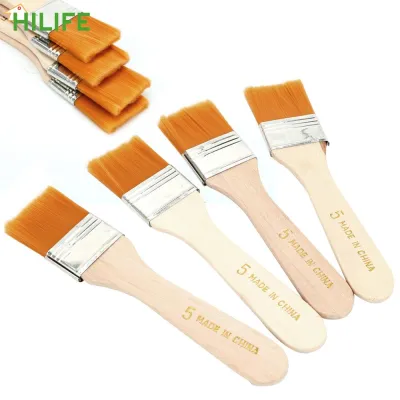
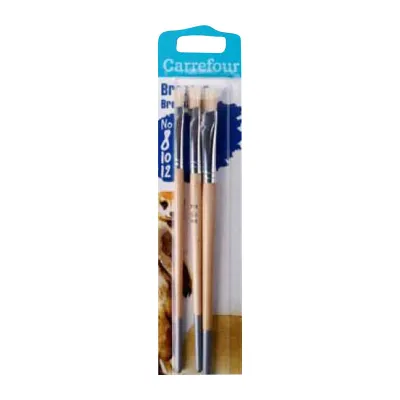
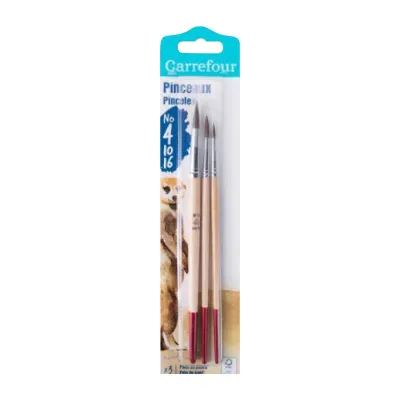
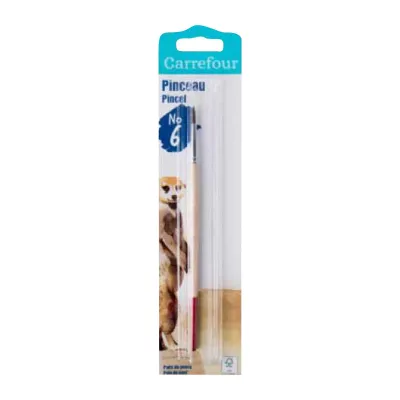
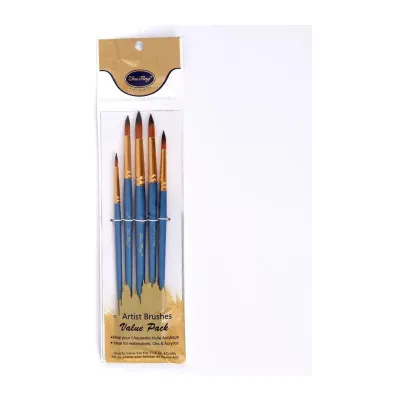
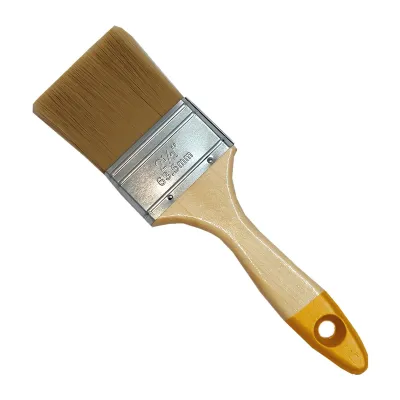
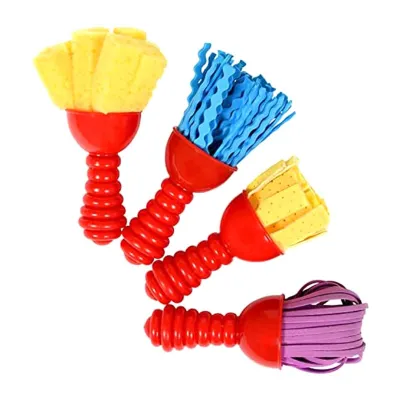
Prices are valid at publication and may change. Please refer to the product page for the latest price.
Bristle materials generally fall into two categories: natural hair and synthetic fibers. Natural hair, sourced from animals such as sable, squirrel, goat, or hog, possesses microscopic scales along the shaft. These scales create natural pockets that hold liquid and pigment exceptionally well through capillary action. Synthetic fibers, typically made from nylon or polyester, are extruded filaments that can be manufactured to varying degrees of stiffness, taper, and texture. While synthetics historically lacked the carrying capacity of natural hair, modern manufacturing has produced advanced synthetic blends that closely mimic natural performance while offering superior durability.
Brush shapes are engineered to produce specific stroke characteristics and paint distribution patterns:
- Round: Features a circular ferrule and a pointed tip, making it highly versatile for both fine detail work and controlled line variation.
- Flat: Has a square, flat ferrule and rectangular bristles, ideal for laying down broad washes, sharp edges, and straight lines.
- Bright: A shorter, stubbier version of the flat brush that offers more resistance and control, perfect for thick, driving strokes.
- Filbert: An oval-shaped brush with a flat ferrule, combining the coverage of a flat brush with the soft, blending capabilities of a round brush.
- Fan: Bristles are spread out in a flat fan shape, used primarily for delicate blending, feathering, and creating organic textures like foliage or clouds.
- Wash or Mop: Large, round, or flat brushes designed to hold massive amounts of water and pigment for covering expansive areas quickly.
When purchasing brushes, keep in mind that brush sizing is relative rather than absolute. A size 6 round brush from one manufacturer may be significantly larger or smaller than a size 6 from another brand. When shopping, always verify the physical dimensions of the brush head—specifically the width at the ferrule and the length of the visible bristles—rather than relying solely on the numerical size printed on the handle.
Watercolor Brushes: Maximizing Water Retention and Softness
Watercolor painting relies on the fluid movement of pigment suspended in water across paper. Because the medium is highly liquid, watercolor brushes must prioritize maximum water-holding capacity, absolute softness, and excellent “snap” or “spring”—the ability of the bristles to return to their original shape after a stroke.

Natural hair remains the gold standard for traditional watercolorists. Siberian Kolinsky sable is highly prized for its unmatched combination of water retention, spring, and the ability to maintain a needle-sharp point. Red sable offers a slightly more affordable alternative with similar characteristics, while squirrel hair provides immense water capacity but lacks spring, making it ideal for loose, sweeping washes rather than detailed line work. For artists seeking animal-free options or budget-friendly alternatives, high-quality synthetic watercolor brushes are engineered with textured filaments that successfully mimic the water-carrying capacity of natural hair.
An essential watercolor starter set should focus on three primary shapes:
- Medium Round (Size 6 to 10): The primary workhorse for watercolor painting, capable of holding a generous amount of paint while tapering to a fine point for detail work.
- Mop or Oval Wash (1/2-inch to 1-inch): Essential for laying down broad, even background washes without leaving harsh brush marks.
- Rigger or Liner (Size 0 to 2): Featuring extremely long, thin bristles that hold enough paint to pull fine, continuous lines for branches, rigging, or calligraphy.
Using overly stiff brushes, such as hog bristle or heavy-duty acrylic synthetics, can severely damage watercolor paper. Watercolor paper relies on a delicate surface sizing (often gelatin) to control paint absorption. Stiff, abrasive bristles will scrape and abrade these wet paper fibers, causing the surface to “pill” and ruin the texture of your painting. Always test the softness of a brush against your wrist; it should feel completely smooth and yielding.
Acrylic Brushes: Prioritizing Synthetic Durability and Spring
Acrylic paint consists of pigment suspended in an acrylic polymer emulsion. As the water in the paint evaporates, the polymer particles fuse together to form a tough, water-resistant plastic film. This chemical process makes acrylic paint highly versatile, but it is incredibly demanding on paint brushes.
For acrylic painting, synthetic brushes made of nylon or polyester are the absolute best choice. Natural hair brushes are highly unsuitable for acrylics for several reasons. First, natural hair absorbs water, causing the organic fibers to swell, lose their shape, and become floppy in water-based acrylic mediums. Second, the alkaline nature of acrylic binders can chemically degrade delicate natural hairs over time. Finally, dried acrylic paint acts as a plastic glue; if paint dries inside the microscopic scales of natural hair, it is almost impossible to clean out without destroying the brush. Synthetic filaments are smooth and non-porous, making them far more resilient and much easier to clean.
To handle the varied techniques of acrylic painting, you should select shapes based on the viscosity of your paint:
- Flat and Bright Brushes: Excellent for blocking in large areas of color, creating sharp geometric shapes, and handling heavy-body acrylics.
- Filbert Brushes: Highly recommended for figurative painting and soft blending, as the curved edges prevent the harsh, hard-edged lines that flat brushes can leave behind.
- Round Brushes: Essential for sketching, detail work, and fluid linework.
Your choice of synthetic stiffness should match your acrylic paint type. If you work primarily with heavy-body acrylics to create thick, textured impasto strokes, look for stiff, firm synthetic bristles that can push the dense paint across the canvas. If you prefer fluid acrylics, high-flow formulas, or detailed glazing techniques, select softer synthetic brushes that allow the paint to flow smoothly without leaving deep brush marks.
Oil Brushes: Leveraging Stiffness and Solvent Resistance
Oil painting features a slow-drying, highly viscous paste of pigment ground in drying oils, such as linseed or safflower oil. Manipulating this heavy, buttery paint requires robust brushes with maximum stiffness. Furthermore, traditional oil painting involves the use of solvents like odorless mineral spirits or turpentine for thinning paint and cleaning brushes, meaning the brush components must withstand harsh chemicals.
Natural hog bristle is the traditional and most effective material for oil painting. Sourced from Chinese hogs, these bristles are naturally stiff, thick, and feature “flags”—split ends that allow the brush to hold a significant load of heavy oil paint while distributing it evenly across rough canvas surfaces. For artists who prefer a smoother finish, or those practicing solvent-free oil painting using medium oils alone, stiff synthetic brushes engineered specifically for oil painting offer excellent durability and a finer mark-making capability without the coarse texture of hog bristle.
Oil painters rely heavily on specific shapes to manage the heavy medium:
- Flat and Bright Brushes: The primary tools for blocking in color and executing bold, thick impasto strokes where the texture of the brush mark remains visible.
- Filbert Brushes: The preferred shape for portraiture, landscape blending, and soft transitions, allowing the artist to control edges with precision.
- Fan Brushes: Used to blend wet-on-wet paint directly on the canvas, soften hard transitions in skies, or create textured effects like grass and fur.
Traditionally, oil brushes feature long wooden handles. This design is not decorative; it allows the artist to stand back at arm’s length from the easel. Painting from this distance helps you evaluate the overall composition and perspective of the artwork rather than getting prematurely lost in fine details.
Because oil painting often involves volatile solvents, safety is paramount. Always work in a well-ventilated studio space to avoid inhaling toxic fumes, and refer to the manufacturer’s safety data sheets (SDS) for your solvents. Keep solvents and oil-soaked cleaning rags in airtight, fire-safe containers, and store them completely out of reach of children and pets.
Cross-Medium Compatibility: When to Share and When to Dedicate
While it is tempting to use a single set of brushes for all your creative projects, sharing brushes across different mediums carries significant risks to both your brushes and your artwork. Understanding when you can share and when you must dedicate your tools will save you money and protect your paintings from contamination.
High-quality synthetic brushes are the most versatile option if you must cross-use tools. A soft synthetic brush designed for watercolor can occasionally be used for fluid acrylics or gouache. However, you must never use delicate natural hair watercolor brushes (such as premium sable or squirrel) for acrylics or oils. The heavy binders and harsh solvents will dry out the natural oils in the hair, causing the bristles to become brittle, splay, and snap off at the ferrule.
If you decide to paint with oils, you must dedicate a specific set of brushes exclusively to oil painting. Oil is hydrophobic, meaning it naturally repels water. Even after thorough cleaning, microscopic oil residues remain bound to the brush bristles and ferrule. If you attempt to use an oil-contaminated brush for watercolor or acrylic painting, the water-based paint will bead up, separate, and fail to adhere to the paper or canvas, ruining your work. Conversely, any water-based paint residue left in a brush will prevent oil paint from adhering correctly, leading to archival issues and paint cracking over time.
Routine Care and Cleaning to Extend Brush Lifespan
Proper maintenance is the single most effective way to protect your investment in high-quality paint brushes. A well-cared-for brush can last for years, while a neglected brush can be permanently ruined in a single painting session.
Your cleaning routine must be tailored to the medium you are using:
- Watercolor: Rinse the brush thoroughly in clean, lukewarm water. Gently massage the base of the bristles near the ferrule to ensure no pigment is trapped. Wash with a mild, moisturizing soap if necessary, rinse completely, and gently shape the damp bristles back into their original point.
- Acrylic: Never allow acrylic paint to dry on your brushes. Keep a jar of water nearby while painting, and rest dirty brushes flat in a shallow tray of water if you cannot clean them immediately. To clean, wash thoroughly with lukewarm water and a specialized brush-cleaning soap. Work the soap into a lather, massaging from the ferrule to the tip, until the lather runs completely white.
- Oil: Wipe excess paint from the bristles using a dry rag or paper towel. Rinse the brush in a container of odorless mineral spirits or a natural cleaning oil (such as safflower oil). Once the bulk of the pigment is removed, wash the brush thoroughly with warm water and a heavy-duty conditioning brush soap to remove all traces of solvent and oil, restoring the natural moisture to the bristles.
Regardless of the medium, proper drying is critical to preventing structural damage. Always dry your brushes flat on a clean towel, or hang them upside down using a brush hanger. Never dry or store your brushes standing upright in a jar while they are wet. Gravity will pull water and residual pigment down into the ferrule, dissolving the glue that holds the bristles in place and causing the wooden handle to swell, crack, and peel.
In high-humidity environments, such as Singapore’s tropical climate, wet brushes take longer to dry. Ensure your drying area has excellent airflow to prevent mold or mildew from developing on natural hair brushes. Once the brushes are completely dry, store them upright in a clean jar or flat in a breathable canvas roll to keep the bristles protected.
Frequently Asked Questions (FAQ)
What size paint brush should a beginner start with?
A beginner does not need a massive collection of brushes to start painting effectively. A versatile, budget-friendly starter kit should consist of three to four high-quality brushes tailored to your medium. For watercolor, start with a Size 8 Round brush, a 1/2-inch Flat brush, and a Size 2 Round for details. For acrylic or oil painting, begin with a Size 6 Flat brush, a Size 4 Filbert, and a Size 2 Round. These selections will allow you to practice broad color laydown, soft blending, and precise linework without feeling overwhelmed by choices.
How do I fix a bent or frayed paint brush?
If your synthetic paint brush has lost its shape or has frayed, bent bristles, you can often restore it using heat memory. Dip the clean bristles into hot (but not boiling) water for 5 to 10 seconds, then immediately shape the bristles back into their original form with your fingers. Be extremely careful, as excessive heat or boiling water can melt or permanently curl synthetic nylon fibers. For natural hair brushes, massage a small drop of specialized brush conditioner, gum arabic, or even standard hair conditioner into the damp bristles, shape the head into a tight point, and let it dry completely. Rinse the conditioner out with cool water before your next painting session.
Community discussion
Share your experience or ask a question. Comments are reviewed before publication.