
Finding the right white envelope depends entirely on how you plan to fold your document or card. For flat, unfolded A4 sheets like contracts or certificates, a C4 envelope is required. If you fold that A4 sheet in half, it fits into a C5 envelope, while folding it into thirds requires a DL envelope. Standard greeting cards, which are typically A6 size when folded, fit comfortably inside a C6 envelope. Matching these dimensions correctly ensures your mail looks professional and passes through postal sorting systems without damage.
Understanding Standard Envelope Size Codes (C-Series and DL)
The international standard for envelope sizes is governed by the ISO 269 system, which directly corresponds to the ISO 216 A-series paper sizes. This system is designed so that each envelope size is slightly larger than its corresponding paper size. For example, a C4 envelope is specifically engineered to hold an unfolded A4 sheet of paper, providing just enough clearance around the edges so the document slides in easily without bending.
Aside from the C-series, the DL (Dimension Length) format is designed to hold an A4 sheet folded horizontally into three equal parts. This long, slim format is highly efficient for automated mailing machines and standard business letters.
Products mentioned in this guide
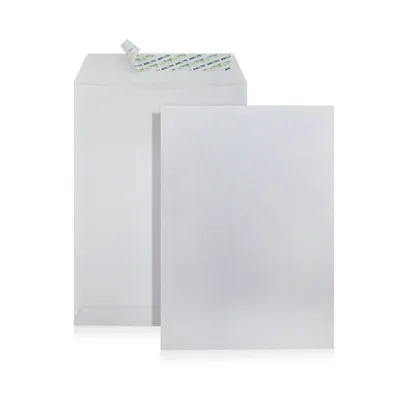
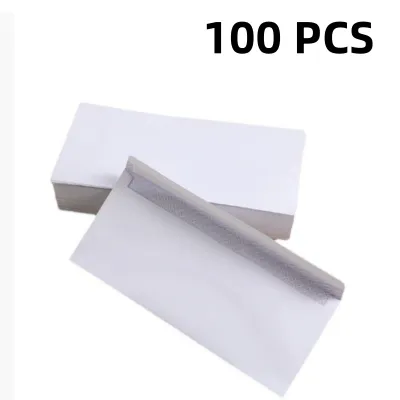
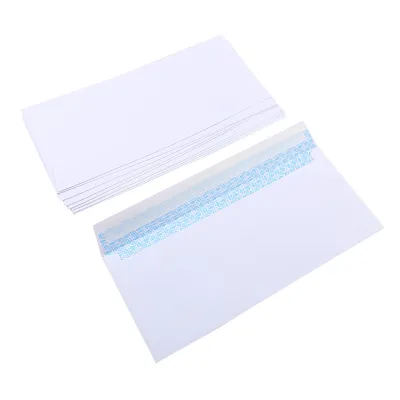
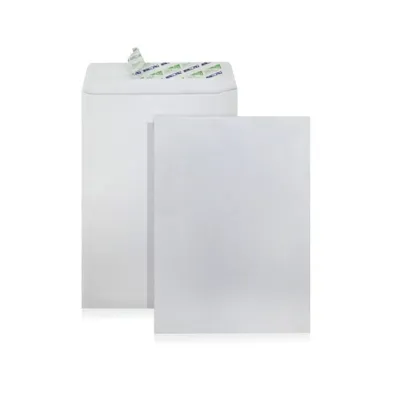
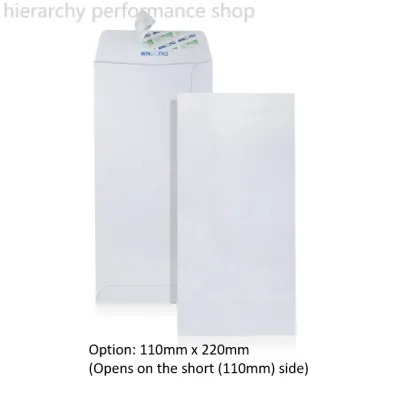
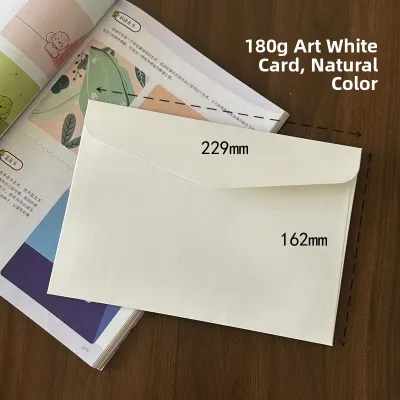
Prices are valid at publication and may change. Please refer to the product page for the latest price.
While these standards provide a reliable baseline, actual dimensions can vary by a millimeter or two depending on the manufacturer. When purchasing white envelopes in bulk, check the exact millimeter specifications on the product packaging to prevent compatibility issues with custom inserts or automated folding equipment.
Matching Envelope Sizes to Your Documents and Cards
Selecting the right envelope requires matching the physical dimensions of your item and your preferred folding method to the envelope size. Choosing an envelope that is too large can cause documents to slide around, potentially obscuring address windows or causing the envelope to bend in transit.

Conversely, forcing thick documents or multiple sheets of paper into a tight envelope can lead to creasing, torn edges, or seam failures. In automated postal sorting facilities, overstuffed envelopes are highly prone to jamming, which can delay your mail or result in it being returned.
A4 Documents (Unfolded and Folded)
When preparing A4 documents, decide whether the pages must remain completely flat. For official contracts, legal agreements, certificates, and professional resumes, folding is generally discouraged. In these cases, you must use a C4 envelope, which measures approximately 229 mm by 324 mm and accommodates a flat A4 sheet with a comfortable margin.
If folding is acceptable, you can fold the A4 sheet once across the middle to create an A5-sized document. This folded sheet fits into a C5 envelope, which measures roughly 162 mm by 229 mm. C5 envelopes are highly versatile and are frequently used for multi-page letters, catalogs, and small booklets.
Keep in mind that as you add more pages, the overall thickness increases, which reduces the available space inside the envelope. If you are mailing more than ten sheets of A4 paper, even a C4 or C5 envelope might become too tight, requiring you to step up to a gusseted envelope or a small mailing box.
Standard Letters and Business Mail
For standard business correspondence, invoices, and statements, the DL envelope remains the industry standard. Measuring 110 mm by 220 mm, the DL envelope is designed specifically for an A4 sheet folded into thirds. This format presents a highly professional appearance, as the recipient can easily unfold the letter in a natural, three-step motion.
If you are sending smaller personal letters, compact invoices, or A5 sheets folded in half, you might also consider C6 envelopes (114 mm by 162 mm). C6 envelopes are highly compact and are excellent for short, personal notes that do not require large sheets of paper.
Before finalizing your choice for business mailings, verify the size and weight thresholds set by your local postal service, such as SingPost in Singapore. Standard letter rates typically apply only to envelopes within specific thickness and weight limits. Choosing an oversized or overly thick envelope can push your mail into a higher postage tier, increasing your distribution costs.
Greeting Cards and Invitations
Greeting cards and event invitations require a snug fit to ensure they arrive in pristine condition without sliding around and damaging their corners. The most common size for folded greeting cards is A6, which pairs with a C6 envelope. This combination provides a classic, compact presentation that is highly popular for holiday cards and thank-you notes.
For larger, more formal invitations or folded A5 greeting cards, a C5 envelope is the standard choice. Square cards are also popular for modern designs, but they require specialized square envelopes. Note that square mail often incurs higher postage rates in many postal jurisdictions due to the limitations of automated sorting machines.
Always measure the exact dimensions of your card, including any embellishments like ribbons, bows, or raised lettering. These decorative elements add significant thickness and can catch on the interior of a standard envelope. If your card is heavily embellished or made from exceptionally thick cardstock, select an envelope one size larger or choose a specialized card envelope with a deeper pocket to prevent edge damage.
Key Checks Before Buying White Envelopes
Beyond selecting the correct dimensions, several technical specifications influence how well your white envelopes perform during transit. The first major consideration is paper weight, measured in grams per square metre (GSM). Standard utility envelopes typically range from 70 to 80 GSM, which is suitable for high-volume, lightweight mailings but may allow text to show through. For a more professional feel and better opacity, opt for 90 to 120 GSM paper, which provides a sturdy barrier against tearing and ensures confidential contents remain private.
The sealing mechanism is another critical factor that affects both usability and shelf life. Gummed envelopes require moisture to activate the adhesive, making them compatible with automated inserting machines but less convenient for manual sealing. Self-seal envelopes feature two adhesive strips that bond when pressed together, while peel-and-seal envelopes have a protective strip covering the adhesive. Peel-and-seal options generally offer the longest shelf life, as the protective backing prevents the glue from drying out or sticking prematurely in humid climates.
Finally, if you are using window envelopes, verify that the window placement aligns with your document template. Standard window sizes and positions vary, and a misalignment can hide the recipient’s address or expose sensitive information. Print a test page on your office printer and slide it into a sample envelope to ensure the address block aligns with the window before purchasing a large batch.
Frequently Asked Questions (FAQ)
Can I put an A4 paper in a C5 envelope without folding it?
No, you cannot fit an unfolded A4 sheet into a C5 envelope. A C5 envelope is designed to fit A5-sized items, which are exactly half the size of an A4 sheet. To use a C5 envelope, you must fold your A4 document in half horizontally. If your document cannot be folded, such as a certificate or a legal contract, you must use a larger C4 envelope instead.
What is the difference between C5 and DL envelopes?
The primary difference lies in how the A4 document is folded and the resulting shape of the envelope. A C5 envelope is wider and shorter (162 mm by 229 mm), designed for an A4 sheet folded once in half. A DL envelope is longer and narrower (110 mm by 220 mm), designed for an A4 sheet folded twice into three equal horizontal sections. DL envelopes are the standard for formal business letters, while C5 envelopes are preferred for thicker documents, catalogs, or multi-page mailings.

Community discussion
Share your experience or ask a question. Comments are reviewed before publication.