
Choosing the right white cloth fabric for your sewing project requires balancing aesthetic appeal, structural behavior, and ease of maintenance. White fabrics are highly versatile but demand careful selection because their transparency, texture, and susceptibility to staining vary significantly across fiber types. The primary options—cotton, linen, polyester, and blends—each offer distinct advantages depending on whether you are crafting breathable summer apparel, structured home textiles, or durable everyday garments. By understanding how these fibers behave under the needle and in the wash, you can confidently select the ideal material for your next creative endeavor.
Cotton White Fabrics: Breathability and Versatility
Cotton remains a staple in the sewing community due to its natural softness, excellent absorbency, and user-friendly handling. When working with white cotton, you will observe a matte finish that feels comfortable against the skin, making it highly suitable for warm climates. However, natural cotton fibers are prone to wrinkling and will typically shrink during their first exposure to water and heat.
To find the right cotton for your project, look closely at the weave specified on the product label. Common varieties include crisp poplin, lightweight and semi-sheer voile, utility-focused muslin, and sturdy quilting cotton. Each weave alters the fabric’s weight and opacity; for instance, white voile is highly sheer and often requires layering, while quilting cotton offers a more opaque, structured surface.
Products mentioned in this guide
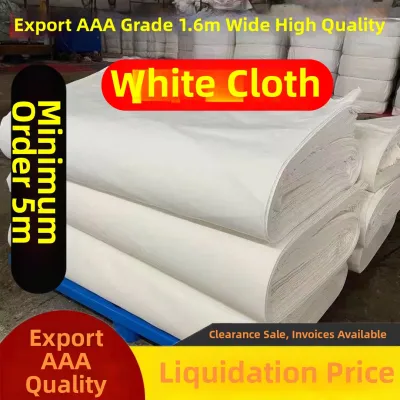
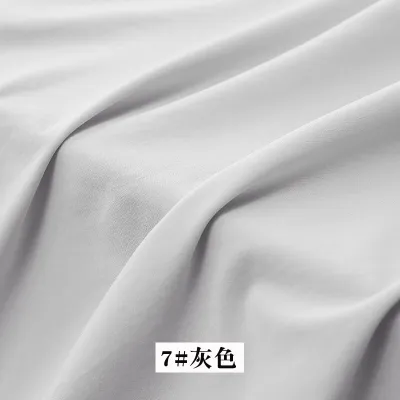
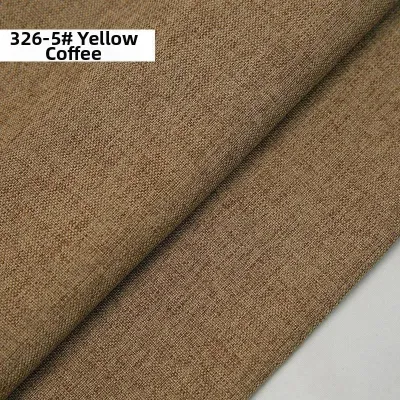
Prices are valid at publication and may change. Please refer to the product page for the latest price.
These variations make cotton highly adaptable for a wide range of projects, from casual summer blouses and intricate quilts to lightweight curtains and pillowcases. Despite its versatility, woven cotton lacks inherent stretch, meaning garments require precise pattern drafting or the addition of closures like zippers and buttons. Additionally, because cotton fibers contract when wet, pre-washing your fabric before cutting is an essential step to prevent your finished project from warping or shrinking out of size later.
Linen White Fabrics: Texture and Structured Drape
White linen is celebrated for its distinctive, rustic texture and exceptional breathability, making it a premium choice for warm-weather garments and classic home decor. When handling linen, you will notice characteristic slubs—slight irregularities and thick spots along the yarn—that give the fabric its unique, organic appearance. It possesses a crisp hand feel initially, which gradually softens with subsequent washes, and offers a structured drape that holds its shape well.

Sewing with white linen requires specific handling techniques to manage its physical properties. The loose weave of linen fibers makes the raw edges highly prone to fraying, meaning you must finish your seams using techniques like French seams, flat-felled seams, or overlocking. Furthermore, linen creases easily under pressure, which requires patience during the pressing stage but adds to the relaxed, lived-in aesthetic of the finished piece.
This material is exceptionally suited for structured summer dresses, breezy trousers, durable tote bags, and elegant table linens like napkins and runners. To ensure you are getting the desired quality, verify the fabric weight and fiber purity on the product tag. Pure linen is highly breathable but prone to extreme wrinkling, whereas checking for a medium-to-heavy weight can help you avoid excessive sheerness in white garments.
Polyester White Fabrics: Durability and Wrinkle Resistance
Polyester offers a highly durable, wrinkle-resistant alternative to natural fibers, making it an excellent choice for projects that require longevity and minimal maintenance. White polyester fabrics feature a smooth, sometimes slightly lustrous finish that retains its bright white color exceptionally well over time without yellowing. Because synthetic fibers do not absorb moisture or contract like natural ones, polyester is highly resistant to shrinking and stretching.
When sewing with white polyester, adjusting your sewing machine settings is crucial to achieving clean, professional seams. Synthetic fibers can resist needle penetration, so you should use a sharp, fine needle (such as a microtex or universal needle) and perform test stitches to adjust the thread tension, preventing unsightly puckering along the seams. Using a polyester thread rather than a cotton thread ensures the seam stretches and wears at the same rate as the fabric.
This material is ideal for activewear, lightweight garment linings, utility bags, and home decor items that undergo frequent machine washing. However, polyester has lower breathability compared to cotton or linen, which can feel warm in humid environments. It is also highly sensitive to heat, meaning you must use a low iron setting and a pressing cloth to prevent the synthetic fibers from melting or developing an unwanted shine.
Blended White Fabrics: Combining Fiber Benefits
Blended white fabrics are engineered to combine the best characteristics of natural and synthetic fibers, offering a practical compromise for everyday sewing. By mixing different materials, manufacturers can create fabrics that retain the breathability of natural fibers while gaining the wrinkle resistance and strength of synthetics. The most common combinations you will encounter on the bolts are cotton-polyester and linen-cotton blends.
To evaluate how a blend will behave, look closely at the fiber ratio printed on the fabric bolt or product tag. The dominant fiber in the blend typically dictates how the fabric must be cared for, how it drapes, and how it feels against the skin. For example, a blend with 65% cotton and 35% polyester will feel mostly like soft cotton but will wrinkle significantly less and dry faster than pure cotton. Conversely, a linen-cotton blend offers the beautiful texture of linen but with reduced creasing and a softer initial drape.
These balanced properties make blended white fabrics highly suitable for everyday apparel, school uniforms, and durable home decor items like seat cushions or slipcovers. Before purchasing, always check the label to verify the exact percentages, as this information guides your pre-washing routine, needle selection, and ironing temperature settings.
How to Choose the Right White Fabric for Your Sewing Project
Selecting the perfect white fabric involves evaluating several physical specifications to ensure the material matches your design and functional needs. Because white fabrics are inherently more transparent than dyed alternatives, assessing opacity is your first critical step. Hold the fabric up to a natural light source or place your hand underneath it to observe how much light passes through; this test helps you determine if the project will require a lining, an underlining, or a skin-toned undergarment.
Next, evaluate the fabric’s weight and drape by checking the technical specifications on the packaging or product listing. Fabric weight is typically measured in grams per square meter (GSM) or ounces per square yard (oz/yd²). A low GSM (under 100) indicates a sheer, lightweight fabric like voile or organza, suitable for overlays or sheer curtains, while a medium GSM (150 to 200) is ideal for structured shirts and dresses, and a high GSM (over 250) works best for trousers, jackets, and upholstery.
You must also match the fabric’s structure to your sewing pattern by distinguishing between woven and knit fabrics. Woven white fabrics, which are constructed by interlacing threads at right angles, offer stability and structure but lack stretch, making them compatible with patterns designed for precise tailoring. Knit white fabrics, made from interlocking loops of yarn, provide built-in stretch and flexibility, requiring ballpoint needles and stretch stitches to prevent popped seams.
Finally, review the care labels to ensure the fabric’s maintenance requirements align with your lifestyle. If you prefer low-maintenance garments, a polyester-cotton blend that tolerates machine washing and requires minimal ironing is preferable to a delicate, dry-clean-only white silk or a high-maintenance pure linen.
Pre-Sewing Preparation and Care for White Fabrics
Proper preparation and care are vital when working with white fabrics to preserve their pristine appearance and prevent structural issues after sewing. Always perform a pre-washing protocol using the same water temperature and cycle you plan to use for the finished item. This step allows any potential shrinkage to occur before you cut your pattern pieces and lets you test the fabric for colorfastness, ensuring no residual manufacturing chemicals discolor the white fibers.
To prevent accidental discoloration during the preparation phase, wash your white fabrics in a dedicated load separate from any dyed materials. Clean your washing machine’s drum and lint trap beforehand to remove any stray dye particles or dark fibers from previous cycles. When ironing your fabric flat before cutting, refer to the manufacturer’s heat guidelines; use a clean iron soleplate and a pressing cloth to avoid transferring scorch marks or mineral deposits onto the clean white surface.
Once your project is complete, store any leftover fabric and finished items away from direct sunlight and high humidity. Prolonged exposure to ultraviolet rays can cause both natural and synthetic white fibers to yellow over time, while damp storage conditions can encourage mildew growth, which is incredibly difficult to remove from white textiles.
Frequently Asked Questions (FAQ)
How do I prevent white fabric from yellowing over time?
To keep white fabrics bright, store them in a cool, dry place away from direct sunlight, as ultraviolet rays degrade fibers and cause yellowing. Avoid storing white textiles in plastic bins, which can trap moisture and release gases that discolor the fabric; instead, use acid-free tissue paper or breathable cotton storage bags. When washing, follow the care label instructions carefully, and avoid excessive use of chlorine bleach, which can strip the protective coating on fibers and lead to a dull, yellowed appearance over time.
What is the best white fabric for beginners to sew?
For those new to sewing, stable, medium-weight woven fabrics are the easiest to handle. White cotton poplin or quilting cotton are excellent choices because they do not slip, stretch, or warp under the sewing machine presser foot. These fabrics crease sharply when pressed, making hem folding and seam alignment straightforward, and they are opaque enough to minimize the need for complex linings or advanced garment construction techniques.

Community discussion
Share your experience or ask a question. Comments are reviewed before publication.