
Selecting the right fabrics for sewing is the foundation of any successful project. The most common fabrics are broadly divided into woven materials (such as cotton, linen, silk, and wool), knit materials (such as jersey, rib knits, fleece, and French terry), and synthetic or semi-synthetic materials (such as polyester, nylon, rayon, and viscose). To achieve a professional finish, you must match the fabric’s weight, stretch, and drape to the specific structure and purpose of your design.
How to Match Fabric Properties to Your Sewing Project
Every sewing project requires a specific balance of structure, flexibility, and durability. Before selecting a material, evaluate how its physical properties align with your design’s functional needs. Matching these characteristics ensures the finished piece behaves exactly as intended.
- Drape: Drape refers to how a fabric hangs and flows under its own weight. Fluid fabrics like rayon or silk conform to the body's curves, making them ideal for bias-cut garments. Stiff fabrics like canvas or heavy denim stand away from the body, providing the support needed for structured garments and accessories.
- Structure: Structure is the fabric's ability to hold a shape independently. Highly structured fabrics allow you to create crisp collars, sharp pleats, and defined silhouettes, while low-structure fabrics lend themselves to soft, relaxed designs.
- Stretch: Stretch determines how much a fabric can expand under tension and return to its original shape. Form-fitting clothes and activewear require high stretch and recovery, whereas tailored garments require stable, non-stretch materials.
- Durability: Consider how the finished item will be used and laundered. Everyday wear, children's clothing, and home upholstery require robust fibers that resist abrasion, pilling, and frequent washing.
Understanding Fabric Weight
Products mentioned in this guide
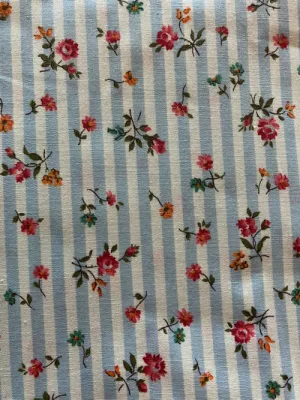
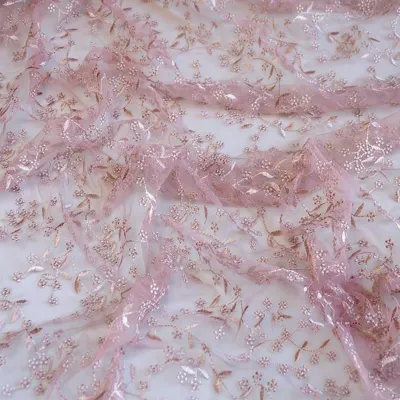
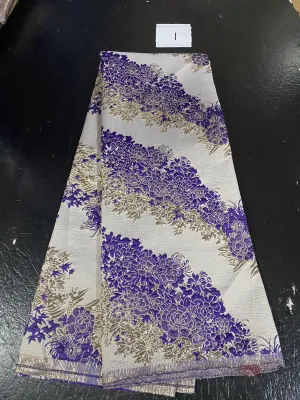
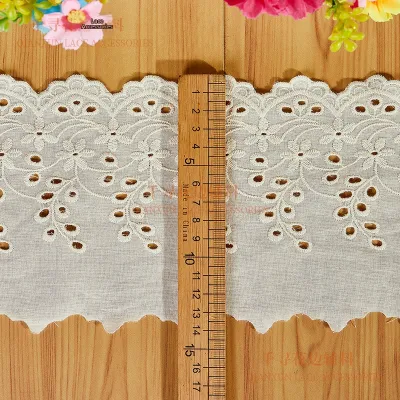
Prices are valid at publication and may change. Please refer to the product page for the latest price.
Fabric weight is typically measured in grams per square meter (GSM) and categorized into three main weights:
- Lightweight (under 130 GSM): Materials like voile, lawn, chiffon, and organza. These are highly breathable and comfortable, making them excellent for warm, tropical climates like Singapore's, where lightweight layering is essential.
- Medium Weight (130 to 200 GSM): Materials like quilting cotton, linen, chambray, and lightweight jersey. These are highly versatile, easy to handle, and suitable for a wide range of everyday apparel.
- Heavyweight (over 200 GSM): Materials like canvas, denim, wool coating, and thick fleece. These provide warmth, structure, and high durability, though they are often reserved for outerwear, bags, or home decor.
Identifying Fabric Grain and Selvedge
Woven fabrics are constructed with threads running in two directions: the warp runs parallel to the self-finished edges (the selvedges), and the weft runs perpendicular to them. The straight grain runs parallel to the selvedge and has almost no stretch. The crossgrain runs perpendicular to the selvedge and has a slight amount of natural give. The bias runs at a 45-degree angle to the selvedge and possesses the maximum amount of stretch and drape. To ensure your finished garment hangs correctly without twisting or pulling to one side after washing, always align your pattern pieces precisely with the straight grain.
Matching Fabric to Equipment
Before purchasing a fabric, verify that your home sewing machine can handle its thickness and texture. Standard domestic machines easily sew light to medium-weight fabrics using standard presser feet. However, sewing multiple layers of heavy canvas or thick fleece requires a heavy-duty needle (size 90/14 or 100/16) and a walking foot (even feed foot) to prevent skipped stitches and uneven feeding. Slippery fabrics like silk or rayon may require a Teflon or roller foot to glide smoothly without bunching.
Woven Fabrics: Stable Choices for Structured Projects
Woven fabrics are created on a loom by interlacing horizontal weft threads over and under vertical warp threads. This perpendicular grid structure gives woven fabrics excellent dimensional stability, meaning they do not stretch significantly unless they are cut on the bias or blended with elastic fibers like elastane.

Because of this inherent stability, woven fabrics are exceptionally easy to handle. They lie flat on the cutting table, do not curl at the edges, and are straightforward to pin, mark, and guide through a sewing machine. This predictable behavior makes them the traditional starting point for beginners and the preferred choice for precise tailoring, crisp collars, and structured pleats.
Cotton and Cotton Blends
Cotton is a natural fiber harvested from the seedpods of the cotton plant, celebrated for its exceptional breathability, softness, and ease of care. It absorbs moisture efficiently, stands up well to high iron heat, and holds a crease beautifully, making it one of the most forgiving and satisfying materials to sew. However, pure cotton is highly prone to wrinkling and can shrink significantly (often 3% to 5%) during its first wash.
This versatile material is the standard choice for quilting, structured summer dresses, button-down shirts, pajamas, children’s clothing, and tote bags. Cotton blends, which combine cotton with polyester or linen, offer the breathability of cotton alongside the wrinkle resistance of synthetics or the unique texture of bast fibers.
When selecting cotton, check the tightness of the weave by holding the fabric up to a light source; a dense, tight weave indicates higher durability and less likelihood of shifting during sewing. Compare lightweight cotton poplin or lawn—which are thin and drape softly—to heavier cotton canvas or denim, which offer the stiffness required for structured utility items and outerwear.
Linen
Linen is made from the cellulose fibers found inside the stalks of the flax plant. It is highly prized for its exceptional strength, durability, and outstanding breathability in hot and humid conditions. Linen features a distinct, slightly irregular texture characterized by small bumps called “slubs” in the weave. While it is highly absorbent and dries quickly, linen lacks elasticity, causing it to wrinkle easily with movement—a characteristic widely accepted as part of its relaxed, natural aesthetic.
Linen is best used for summer trousers, relaxed-fit dresses, lightweight utility jackets, unstructured blazers, and home textiles like tablecloths, napkins, and curtains. Its cooling properties make it a staple fabric for tropical climates.
Because flax fibers shrink considerably when exposed to water, pre-washing your linen fabric in warm water and drying it thoroughly is an absolute necessity before cutting. Linen also has a strong tendency to fray along raw cut edges; always finish your seams using a zigzag stitch, an overcasting stitch, a serger, or clean French seams to ensure the garment survives regular laundering.
Silk and Wool
Silk is a luxurious natural protein fiber produced by silkworms, known for its brilliant luster, smooth hand feel, and fluid, elegant drape. It is highly breathable and comfortable against the skin, but its slippery surface makes it challenging to cut and sew. Wool, another natural protein fiber harvested from sheep, is highly resilient, naturally water-repellent, and offers excellent insulation. Wool fibers possess a natural crimp that allows them to be easily molded and shaped under a steam iron, making them ideal for precise tailoring.
Silk is best reserved for evening wear, delicate blouses, lingerie, scarves, and high-end garment linings. Wool is the premier choice for tailored suits, winter coats, structured skirts, and lightweight trousers.
To handle silk successfully, use ultra-fine glass-head pins that will not snag the weave, and select a slim, sharp microtex needle (size 60/8 or 70/10) to prevent pulling the delicate threads. For wool, always use a press cloth and a tailor’s ham when pressing to shape curves; direct contact with a hot iron can scorch the delicate protein fibers or leave a permanent shiny glaze on the surface.
Knit Fabrics: Stretchy Materials for Comfort and Movement
Unlike woven fabrics, knit fabrics are constructed from a single continuous yarn that is looped together in interlocking rows. This looped structure gives knit fabrics inherent elasticity, allowing them to stretch significantly in both width and length and then recover their original shape. This flexibility makes knits incredibly comfortable, as they conform to the body’s movements without requiring complex darts or tailored seams.
However, the very stretch that makes knits comfortable also makes them more challenging to sew. Raw edges can curl tightly, stitches can easily skip if the wrong needle is used, and seams can stretch out permanently during sewing, resulting in wavy, distorted edges. While a serger (overlocker) is the professional tool of choice for knits, you can achieve excellent results on a standard domestic sewing machine by using specialized needles and stretch stitches.
Jersey and Rib Knits
Jersey is a lightweight, single-knit fabric with a distinct smooth face (flat knit stitches) and a textured back (purl loops). It drapes softly and offers comfortable stretch, but its raw cut edges have a strong tendency to curl toward the right side of the fabric. Rib knits feature alternating vertical columns of knit and purl stitches, creating a highly elastic fabric with superb recovery that stretches wide without losing its shape.
Jersey is the standard material for T-shirts, casual knit dresses, activewear, leggings, and lightweight loungewear. Rib knits are primarily used for finishing garments, such as neckbands, cuffs, and waistbands, where a snug, elastic fit is required.
When sewing these fabrics, always install a ballpoint (jersey) or stretch needle in your machine. These needles have rounded tips that slide between the loops of the fabric rather than piercing and cutting the knit threads. Use a narrow zigzag stitch or a specialized “lightning” stitch on your machine so that the seam can stretch along with the fabric without snapping the thread.
Fleece and French Terry
French terry is a medium-weight knit fabric featuring a smooth outer face and a reverse side covered in soft, uncut loops of yarn. It offers cozy, breathable warmth and holds its shape better than lightweight jersey. Fleece is a heavier synthetic or blended knit that has been heavily brushed on one or both sides to create a thick, lofted, and highly insulating nap. Fleece is incredibly soft, lightweight, and does not fray or curl at the cut edges.
French terry is ideal for hoodies, sweatpants, casual pullover sweaters, and comfortable loungewear. Fleece is best used for winter jackets, outdoor sweaters, cozy blankets, and cold-weather accessories like hats and mittens.
Because both fabrics are thick, managing bulk at intersecting seams is critical. Grade your seam allowances by trimming one layer shorter than the other to keep the seams flat. Use a heavy-duty stretch needle (size 90/14) to penetrate the dense layers easily, and slightly decrease your sewing machine’s presser foot pressure to prevent the thick fabric from being stretched out as it passes under the foot.
Synthetic and Semi-Synthetic Fabrics: Durability and Drape
Synthetic fabrics are made entirely from petroleum-based chemicals that are spun into long, durable polymer fibers. Semi-synthetic fabrics, often called regenerated cellulose fibers, bridge the gap between natural and synthetic; they are manufactured by chemically processing natural wood pulp or plant fibers into a soft, spinnable material.
Synthetics are prized for their extreme durability, resistance to wrinkles, and quick-drying properties, though they often lack breathability. Semi-synthetics offer a luxurious, silky drape and high breathability, but they can be delicate to launder and slippery to handle during construction.
Polyester and Nylon
Polyester and nylon are fully synthetic fibers known for their exceptional tensile strength, elasticity, and resistance to shrinking, stretching, and wrinkling. They are highly hydrophobic, meaning they do not absorb moisture easily, which allows them to dry quickly but also makes them less breathable than natural fibers.
Polyester is widely used for athletic wear, garment linings, outerwear, swimwear, and heavy-duty bags. Nylon, which is even stronger and more elastic than polyester, is the standard choice for windbreakers, swimwear, activewear leggings, and durable outdoor gear.
The primary risk when working with polyester and nylon is their high sensitivity to heat. Direct contact with a hot iron will instantly melt or scorch the synthetic fibers, leaving permanent damage. Always set your iron to a low synthetic setting, use a dry press cloth, and test a scrap piece of fabric before pressing your actual project seams.
Rayon and Viscose
Rayon and viscose (which are chemically identical) are semi-synthetic fabrics that offer a remarkably soft hand feel and an incredibly fluid, heavy drape. They are highly breathable and comfortable to wear in warm climates, making them a popular alternative to silk. However, rayon fibers lose a significant amount of their strength when wet, making them prone to stretching, warping, and shrinking if not laundered with extreme care.
These fabrics are perfect for flowy maxi dresses, lightweight summer blouses, wide-leg trousers, and gathered skirts. Their fluid drape allows them to flutter and move beautifully with the wearer.
Rayon is notorious for severe shrinkage, sometimes losing up to 10% of its size on the first wash. Always pre-wash rayon fabric on a gentle cycle and air dry it completely before cutting out your pattern. Because it is highly slippery and prone to shifting, use sharp microtex needles (size 70/10) and fine pins to avoid snagging the delicate weave, and consider cutting your pattern pieces on a single layer of fabric rather than folded to ensure accuracy.
How to Prepare and Handle Fabrics Before Sewing
Achieving a professional finish on your sewing projects depends heavily on how you prepare and handle your materials before they ever reach the sewing machine. Skipping these preparatory steps can result in garments that shrink unevenly, seams that pucker, or fabric that distorts during cutting.
Pre-Washing and Pre-Shrinking
Always wash and dry your fabric using the exact care routine you plan to use for the finished item. Natural fibers (cotton, linen, wool) and semi-synthetics (rayon, viscose) shrink when exposed to water and heat. Pre-washing ensures that all shrinkage occurs before the fabric is cut, preventing your finished garment from turning out too small or warping after its first trip through the laundry. Synthetic fabrics like polyester do not shrink significantly, but pre-washing them is still recommended to remove any chemical finishes, sizing, or excess dye left over from the manufacturing process.
Cutting Techniques
To prevent fabric from distorting while you cut, lay it completely flat on a hard, level surface. Never let excess fabric hang off the edge of your cutting table, as the weight will pull and stretch the grain out of alignment. For slippery, delicate, or stretchy fabrics, bypass traditional shears and pins. Instead, use a self-healing cutting mat, heavy pattern weights, and a sharp rotary cutter. This setup allows you to cut out your pattern pieces without lifting the fabric off the table, ensuring highly accurate cuts.
Needle and Thread Matching
Using the correct needle is essential to prevent skipped stitches, fabric snags, and broken threads. Match your needle type to your fabric’s construction:
- Universal Needles: Feature a slightly rounded point that works well on most stable woven fabrics like cotton, linen, and blends.
- Ballpoint or Stretch Needles: Feature a rounded tip designed to slide between the loops of knit fabrics (jersey, rib knits, fleece) without piercing or cutting the fibers.
- Microtex Needles: Feature a very slim, sharp point designed to cleanly penetrate tightly woven fabrics (silk, rayon, microfiber) without causing snags or runs.
- Thread Selection: For almost all general sewing projects, high-quality 100% polyester thread is the best choice. It is strong, has a slight amount of natural give that prevents seams from snapping, and is highly resistant to rotting and fading. Reserve 100% cotton thread primarily for heirloom sewing and 100% cotton quilting.
Pressing vs. Ironing
There is a critical difference between ironing and pressing. Ironing involves sliding the iron back and forth across the fabric, which can easily stretch and distort cut pattern pieces and bias edges. Pressing involves lifting the iron, placing it down flat on the seam, holding it in place for a few seconds, and lifting it straight up again. Always press your seams flat as you sew to set the stitches into the fabric fibers, which instantly elevates the professional look of your garment. Always check the fabric’s heat tolerance, use an appropriate temperature setting, and employ a clean press cloth to protect the face of the fabric from heat shine.
Frequently Asked Questions (FAQ)
What is the easiest fabric for beginners to sew?
The easiest fabrics for beginners to sew are medium-weight woven cottons, such as quilting cotton, poplin, chambray, and lightweight flannel. These fabrics are highly stable, meaning they do not slip, stretch, or warp when you cut or pin them. They feed smoothly through a standard domestic sewing machine without requiring specialized presser feet, and they hold a crease exceptionally well when pressed, making folding and stitching neat hems straightforward.
How do I stop knit fabric from stretching out while sewing?
To prevent knit fabric from stretching out and creating wavy, puckered seams, install a walking foot (even feed foot) on your sewing machine. This attachment feeds the top and bottom layers of fabric through the machine at the exact same rate, preventing the upper layer from being pushed forward and stretched. Additionally, you can place strips of tissue paper or water-soluble stabilizer underneath the seam while sewing to temporarily stabilize the fabric, and avoid pulling or pulling the fabric from behind the machine as it feeds.
Can I mix woven and knit fabrics in the same project?
Yes, you can mix woven and knit fabrics in a single project, but it requires careful stabilization to prevent the seams from puckering or tearing under tension. Because woven fabrics are stable and knit fabrics stretch, the seam joining them is highly vulnerable to distortion. To stabilize the connection, apply a strip of lightweight fusible interfacing to the seam allowance of the knit piece before sewing, or stitch a piece of clear elastic directly into the seam to help it retain its shape and support the weight of the woven fabric.
Community discussion
Share your experience or ask a question. Comments are reviewed before publication.