
To choose the right zipper repair tool, you must first pinpoint whether your zipper’s failure is caused by a worn-out slider, misaligned or missing teeth, or a broken stopper. A generic repair kit might seem like an easy fix, but matching your specific diagnostic symptoms to the correct tool—such as specialized zipper pliers, replacement sliders, or new stop clamps—is the only way to ensure a successful, lasting repair. By taking a few moments to inspect the damage, you can avoid purchasing unnecessary parts and restore your garments, bags, or outdoor gear with confidence.
Identify Your Zipper Problem: Visual Checks and Symptoms
Before purchasing any tools, a close visual inspection of the zipper assembly is essential to determine the exact point of failure. Zipper issues generally fall into three distinct categories: slider malfunctions, teeth misalignment, or damaged stoppers. Misdiagnosing the issue often leads to buying incompatible parts that will not resolve the underlying problem.
Slider issues are among the most common disruptions. If the zipper tracks remain completely open after you pull the slider past them, the slider’s internal side walls have likely stretched open over time due to repeated tension. A stuck slider that refuses to budge might be catching on loose threads, fabric, or accumulated dirt from daily use. A derailed slider, which has slipped completely off one side of the track, usually points to a missing stopper or a damaged entry point at the bottom of the zipper tape.
Products mentioned in this guide
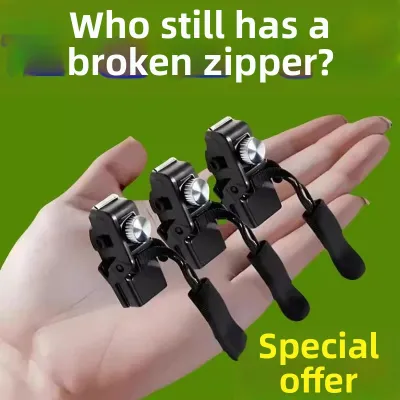
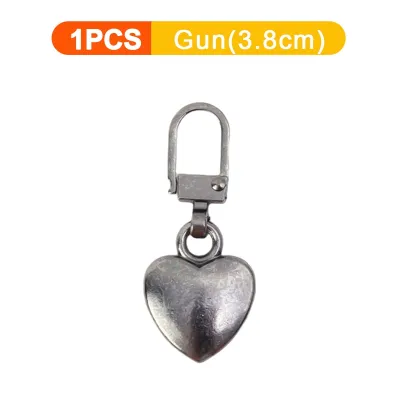
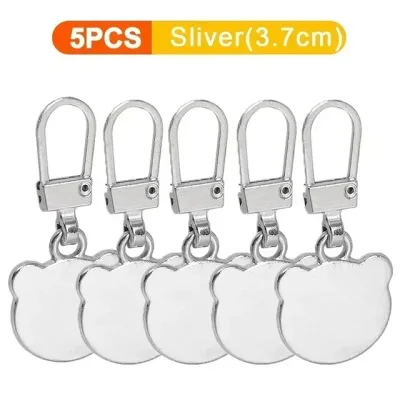
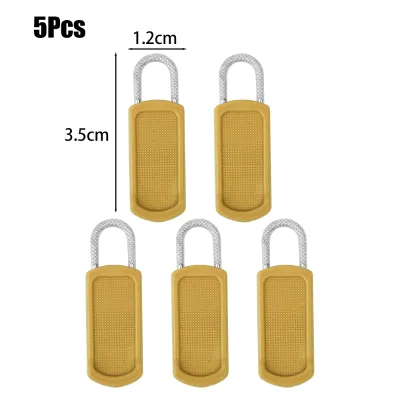
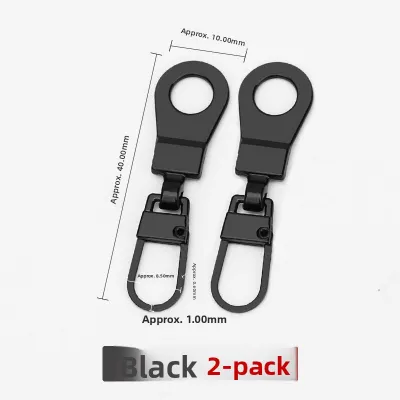
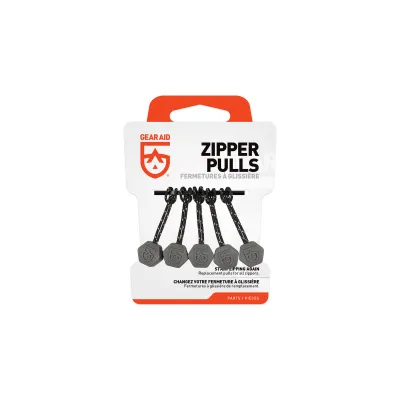
Prices are valid at publication and may change. Please refer to the product page for the latest price.
Teeth and track issues require a detailed look at the interlocking elements. Examine the entire length of the track for any missing teeth, as even a single missing element can cause the slider to jam or derail entirely. Bent metal teeth can prevent the slider from moving smoothly along its path, while nylon coil teeth can become crushed or distorted under heavy loads, leading to immediate separation of the tracks after the slider passes through.
Stopper and pull tab issues are highly visible but often overlooked. The top stoppers prevent the slider from running off the top of the tape, while the bottom stopper keeps the tracks aligned at the start. If a top stopper is missing, the slider will slide right off the track during normal use. If the bottom retaining box on a separating zipper is cracked or torn away from the fabric tape, the zipper will fail to feed correctly, making it impossible to zip up. A broken pull tab is primarily an ergonomic issue, but it requires a specific attachment tool or replacement tab to restore easy operation.
Match the Problem to the Right Zipper Repair Tool
Once you have diagnosed the specific issue, you can select the appropriate tool or kit designed to address that exact failure point. Using the correct tool prevents further damage to the delicate zipper components and ensures a secure, long-lasting fix.

Slider replacement kits and specialized pliers are the primary solutions for worn-out or stretched sliders. When a slider fails to close the tracks, a pair of specialized zipper installation pliers can be used to gently squeeze the sides of the slider back into its original shape. If the slider is cracked or completely broken, a replacement kit containing various standard slider sizes and shapes is necessary. These kits allow you to remove the old slider and slide a new one onto the tracks, restoring smooth operation.
Zipper tooth repair tools and crimping pliers are essential for addressing minor tooth misalignment and securing replacement parts. For minor alignment issues on metal zippers, fine-nosed jewelry pliers or specialized tooth-straightening pliers can be used to gently nudge bent teeth back into their correct positions. However, if teeth are completely missing from a plastic or nylon coil zipper, standard tooth repair tools cannot rebuild the missing material. In these cases, the tool’s role is limited to removing damaged sections or preparing the zipper for a stopper adjustment that bypasses the broken area.
Pull tab and stopper replacement tools are used to secure new hardware onto the zipper tape. If you are dealing with missing stoppers or a broken pull tab, you will need a stopper replacement set and a pair of end-cutting nippers or crimping pliers. The nippers help remove old, damaged metal stoppers without tearing the delicate fabric tape. The crimping pliers are then used to secure new top stops or bottom stops tightly onto the fabric edge, preventing the slider from sliding off the track again. Replacement pull tabs often feature easy-clasp designs that can be installed by hand or with simple needle-nose pliers.
When to Repair vs. When to Replace the Entire Zipper
While many zipper issues can be resolved with simple tools, some types of damage are too severe for a quick fix. Understanding the limits of zipper repair tools will save you time and prevent frustration when a full replacement is the only viable option.
Fabric and tape damage cannot be resolved with standard hardware repair tools. If the fabric tape—the woven strip of cloth on which the teeth are mounted—is torn, frayed, or separating from the garment or bag, a repair tool will not solve the problem. Attempting to crimp hardware onto weakened or torn fabric will only cause further tearing under tension. In these situations, the entire zipper assembly must be unstitched and replaced.
Extensive tooth loss is another clear indicator that a full replacement is necessary. If your zipper is missing multiple teeth, especially in the middle of the track, a simple hardware repair is highly unlikely to succeed. Without interlocking teeth, the slider cannot close the gap, and the zipper will inevitably burst open under tension. While you can sometimes shorten a zipper to bypass missing teeth at the very top or bottom, extensive damage in the middle requires a complete zipper replacement.
Specialty zippers often require professional attention rather than generic repair tools. High-performance zippers, such as waterproof zippers on outdoor gear, invisible zippers on delicate dresses, or heavy-duty industrial zippers on tents and marine covers, require specific manufacturing techniques. Generic repair tools and universal sliders often fail to seal these tracks properly or may damage the specialized coatings. For these items, consulting the manufacturer’s repair guidelines or seeking professional alteration services is highly recommended to preserve the item’s performance and weather resistance.
Pre-Purchase Checklist: Ensuring Tool and Zipper Compatibility
To avoid purchasing incompatible tools or replacement parts, you must verify several key specifications of your zipper before making a decision. Taking these measurements ensures a seamless repair process and prevents damage to your items.
Material verification is the first step in the compatibility check. Zippers generally fall into three categories: metal, molded plastic, and nylon coil. Each material requires a matching slider shape and design; a slider meant for a nylon coil zipper will not function on a metal zipper track, and using the wrong tool pressure can easily crack plastic components. Always match the replacement slider material to the original zipper track material.
Size and gauge checking is crucial for a proper fit. Zipper sizes are standardized by numbers, which represent the width of the closed teeth in millimeters. You can often find this number stamped on the back of the original slider. If the number is missing, use a ruler to measure the width of the interlocking teeth when zipped shut. Purchasing a replacement slider or stopper that does not match this exact gauge will result in a loose fit or a jammed track.
Tool quality and safety features should also be considered. When selecting a zipper repair tool, look for pliers with non-marring jaws or smooth interior surfaces. Standard household pliers often have serrated teeth that can easily scratch, dent, or crush delicate brass or plastic sliders. Choosing tools with comfortable, ergonomic grips and precise jaw alignment ensures you can apply the exact amount of pressure needed to crimp stoppers or adjust sliders without causing accidental damage to the surrounding fabric.
Frequently Asked Questions (FAQ)
Can I use regular household pliers instead of a specialized zipper repair tool?
While you can technically use household pliers to squeeze a loose slider or crimp a stopper, doing so carries a high risk of permanently damaging the zipper. Standard pliers have serrated jaws that can scratch off protective finishes, leading to rust, or apply uneven pressure that can easily crush and crack cast-metal or plastic sliders. Specialized zipper pliers feature smooth, flat jaws designed to distribute pressure evenly, ensuring a safe and precise repair without ruining the hardware.
Do zipper repair tools work on all clothing and bag zippers?
Zipper repair tools are highly versatile, but their effectiveness depends on matching the tool and replacement parts to the specific scale of the item. Lightweight garments like dresses and shirts typically use delicate nylon coil zippers, which require high-precision, small-scale tools and gentle handling. In contrast, heavy-duty bags, backpacks, and luggage often use robust molded plastic or metal zippers, requiring larger replacement sliders and heavy-duty crimping tools to handle the thicker materials and higher tension.

Community discussion
Share your experience or ask a question. Comments are reviewed before publication.