
Finding the right weekly planner in Singapore is a highly personal decision that depends on how your mind organizes tasks, the writing instruments you prefer, and how you carry your planner through daily commutes. With a wide variety of Japanese, European, and local stationery brands available, choosing a planner requires looking past aesthetic covers to evaluate the functional design underneath. By focusing on layout structure, paper specifications, and binding durability, you can select a tool that seamlessly integrates into your daily routine.
Identifying Your Core Planning Style
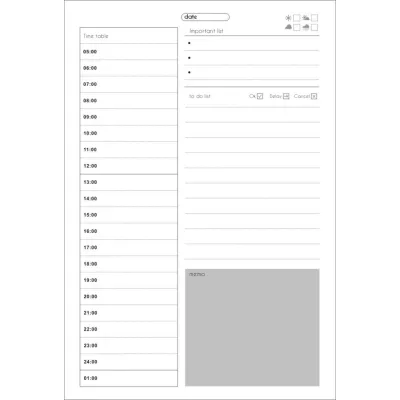
Before comparing specific brands, you must define how you naturally process information and manage your time. Some people thrive on strict time-blocking, mapping out every hour of the day from morning meetings to evening fitness sessions. If your days are highly structured, you will require a planner that offers vertical columns with pre-printed hourly intervals. This layout acts as a visual timeline, helping you prevent overcommitment and identify open gaps in your schedule.
Conversely, if your work involves fluid tasks, project-based milestones, or extensive note-taking, a highly structured hourly grid might feel restrictive. A freeform journaling or minimalist task-tracking style is better served by open, horizontal layouts or blank spaces adjacent to a weekly overview. These formats allow you to list priorities, jot down spontaneous ideas, or sketch diagrams without the pressure of filling in specific hourly slots.
Products mentioned in this guide
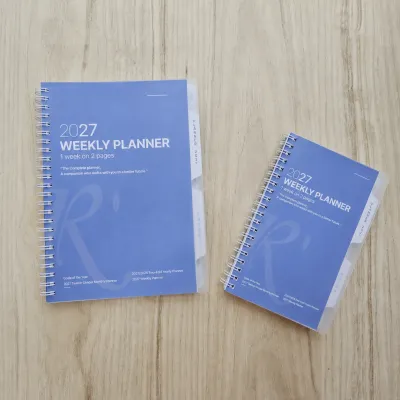
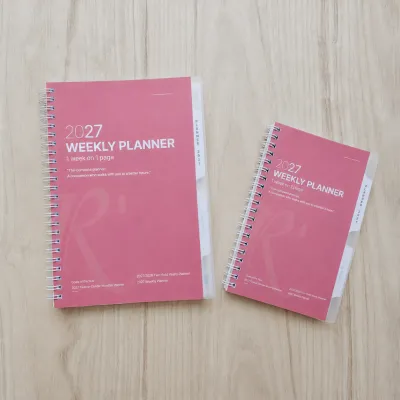
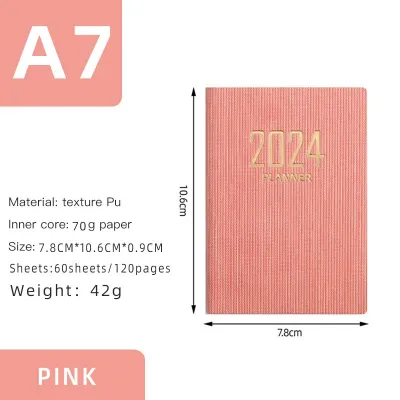
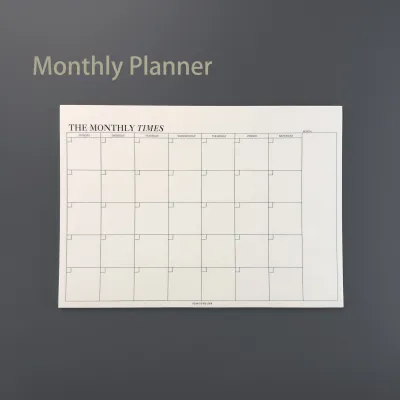
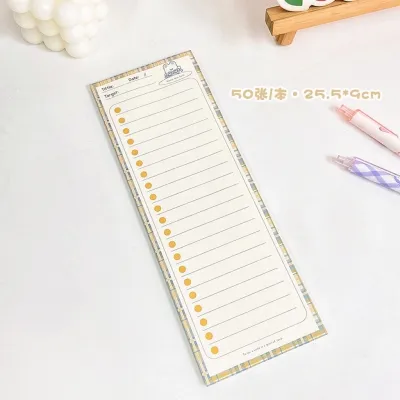
![[SG Ready Stock] Cute Daily Planner Weekly Day Plan Organizer Stuff Cute Notebook - Best for Students and Teachers](https://img.lazcdn.com/g/p/15071e4962dd4bd7fec7969a1533c262.jpg_400x400q80.jpg_.webp)
Prices are valid at publication and may change. Please refer to the product page for the latest price.
You should also consider whether you need built-in productivity frameworks. Many planners include dedicated sections for habit tracking, monthly goal-setting, financial budgeting, or reflective journaling. If you prefer a clean slate to design your own system, look for minimalist brands that prioritize blank dot-grid or lined pages alongside the weekly spread. Identifying these preferences early prevents you from buying a complex planner that ultimately goes unused due to layout fatigue.
Comparing Weekly Layout Formats
Weekly planners generally fall into two main structural categories: vertical and horizontal layouts. Vertical layouts present the week in columns across a two-page spread, which is ideal for time-blocking and tracking appointments chronologically. This format is highly beneficial for professionals and students in Singapore who manage back-to-back meetings or class schedules. When evaluating vertical layouts, check if the column width accommodates your handwriting size and whether the daily timeline covers your active hours, including early mornings or late nights.

Horizontal layouts arrange the days of the week in rows, often stretching across a single page or a double-page spread. A popular variation is the “weekly notebook” format, which places the seven days on the left page and a blank or ruled page on the right. This design is excellent for those who need to balance a basic schedule with extensive task lists, meeting notes, or weekly reflections. It offers the flexibility of a notebook combined with the structural guidance of a calendar.
The choice between a single-page compact view and a two-page expansive spread depends largely on your writing volume and portability needs. A single-page view keeps your week highly consolidated, making it easy to digest at a glance, but it limits the amount of detail you can record. A two-page spread offers ample room for detailed daily logging but naturally requires a larger physical footprint on your desk.
Finally, decide whether a dated or undated format suits your scheduling consistency. Dated planners provide immediate structure, saving you the time of writing in dates and keeping you aligned with the standard calendar year. Undated planners, however, offer ultimate flexibility. If you experience weeks where you have few tasks or take extended holidays, an undated planner allows you to pause and resume planning without wasting paper or leaving blank pages.
Evaluating Paper Quality and Ink Compatibility
The tactile experience of writing is heavily influenced by paper quality, which directly affects how different inks behave on the page. When browsing planners, look at the paper weight, measured in grams per square meter (GSM). Generally, lighter paper (around 52 GSM to 68 GSM) is incredibly thin and allows planners to remain compact even with hundreds of pages, but it is more prone to ghosting—where writing is visible on the reverse side. Heavier paper (80 GSM to 120 GSM or more) offers a sturdier feel and greater resistance to ink penetration.
To prevent frustrating issues like bleed-through (ink soaking completely through the page) and feathering (ink spreading sideways along the paper fibers), you must match your paper to your preferred writing instrument. Gel pens, rollerballs, and fountain pens release more liquid ink than standard ballpoint pens, requiring paper with high ink compatibility. Look for manufacturer specifications that explicitly mention ink-resistant coatings or fountain-pen-friendly paper.
Paper texture also plays a critical role in your writing comfort. Smooth, coated papers allow fine-nib pens to glide effortlessly across the surface, which is excellent for fast note-taking but may result in longer ink drying times. Toothy, uncoated papers provide more feedback and resistance, making them ideal for pencils, ballpoint pens, and those who enjoy a tactile connection to the page.
Because paper performance depends on the exact combination of paper fibers, sizing agents, and ink formulas, the most reliable way to verify compatibility is to perform a physical test. If you are visiting a local stationery boutique, look for sample books or tester pages. Write a few characters using your daily pens in an inconspicuous corner to observe the drying speed, line crispness, and reverse-side ghosting before making your purchase.
Assessing Binding, Cover Materials, and Portability
A planner’s physical build determines how well it survives daily wear and tear in your bag and how comfortable it is to write in. The binding is the most critical structural element. Thread-sewn binding, often referred to as Smyth-sewn, allows the planner to lay completely flat when opened on a desk. This is essential for comfortable writing, especially when working near the center margins. Glued or perfect bindings are often less expensive but can resist staying open, requiring you to hold the pages down while writing, which can lead to spine cracking over time.
Cover materials should be chosen based on where and how you plan to use your planner. Hardcovers provide a sturdy, built-in writing surface, allowing you to take notes comfortably while holding the planner on your lap or while standing. They also offer maximum protection for the pages inside. Softcovers and flexible cardstock covers are significantly lighter and conform more easily to packed bags, making them highly portable for daily commutes, though they may show wear along the edges more quickly.
When selecting a size, balance your writing space requirements with your carrying habits. Standard paper sizes like A5 (approximately 148mm x 210mm) offer a balanced middle ground, providing ample writing room while fitting easily into most backpacks and tote bags. Smaller sizes like B6 or pocket-sized planners are highly portable and take up minimal space on a crowded cafe table, but they require compact handwriting. Larger desk-sized planners (such as A4) are best kept stationary on an office desk due to their weight and footprint.
Where to Test and Buy Planners in Singapore
To find a planner that truly fits your workflow, visiting physical retail spaces in Singapore is highly recommended. Specialized stationery boutiques, lifestyle bookstores, and department stores in central shopping districts often carry a curated selection of international planner brands. Visiting these physical stores allows you to feel the paper texture, test the lay-flat capability of the binding, and compare different layout sizes side-by-side.
If you prefer shopping online, purchasing directly from official brand websites or authorized local distributors is the safest way to ensure product authenticity. Many reputable stationery retailers operate online storefronts that provide detailed specifications, including exact dimensions, paper weight, and layout previews.
When navigating general e-commerce platforms and online marketplaces, exercise caution to avoid counterfeit products or poor-quality imprints. Always check seller ratings, read verified customer reviews, and review the return policies. Compare prices in S$ across different sellers, keeping in mind that extremely low prices may indicate unauthorized reproductions with inferior paper quality.
Frequently Asked Questions (FAQ)
Can I use fountain pens in standard weekly planners?
Yes, but compatibility depends entirely on the paper’s manufacturing process and weight. To verify if a standard planner can handle fountain pen ink, look for specifications indicating ink-resistant sizing or a paper weight of at least 80 GSM, though some specialized thin papers also perform exceptionally well. Before writing extensively, conduct a discreet test in a back corner of the planner using your specific pen and ink combination. If you experience minor ghosting, you can mitigate this by using extra-fine nibs, dry-flowing inks, or placing a protective blotter sheet underneath the active page.
Is it better to buy dated or undated weekly planners?
The choice depends on your planning consistency and how much setup time you want to invest. Dated planners are ideal if you require immediate, structured scheduling and want to see holidays and months pre-aligned without any manual effort. Undated planners are highly beneficial if your schedule is seasonal or if you frequently take breaks from planning, as they prevent empty, wasted pages. However, keep in mind that undated formats require you to manually write in the dates, which adds an initial setup step before you can begin organizing your week.

Community discussion
Share your experience or ask a question. Comments are reviewed before publication.