
Finding the right calendar or planner is more than just picking an attractive cover; it is about establishing a reliable system that integrates seamlessly with your daily life. The market is filled with diverse stationery brands, each offering distinct layouts, paper types, and binding styles designed for specific workflows. Selecting a planner that does not match your natural habits often leads to empty pages and abandoned routines within a few weeks.
To find a system that works, you need a structured framework to evaluate your options. This guide will walk you through identifying your personal planning style, understanding the technical specifications of paper and binding, and matching layout formats to your daily routines. By learning how to test and verify these physical attributes, you can confidently invest in a planner that supports your productivity and stands up to daily use.
Identify Your Core Planning Style and Workflow Needs
Before browsing online marketplaces or visiting local stationery boutiques, you must define how you naturally process information and manage your time. Planning styles generally fall into three main categories: structured time-blocking, flexible journaling, and minimalist tracking. Understanding where you fit on this spectrum prevents you from buying a complex layout that feels overwhelming, or a minimalist grid that lacks necessary structure.
Products mentioned in this guide
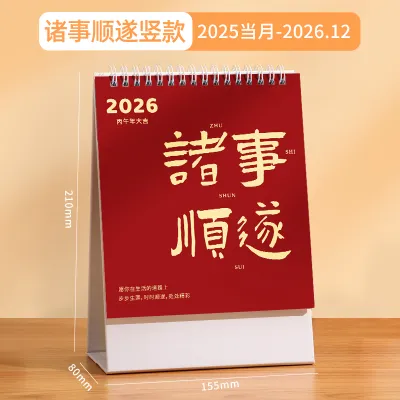
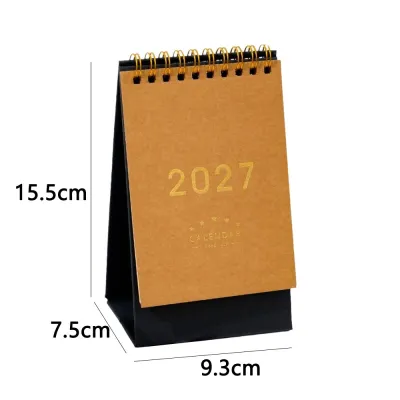
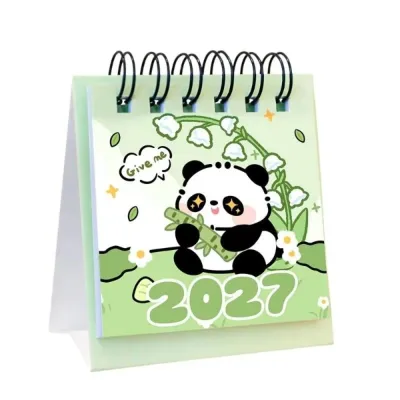
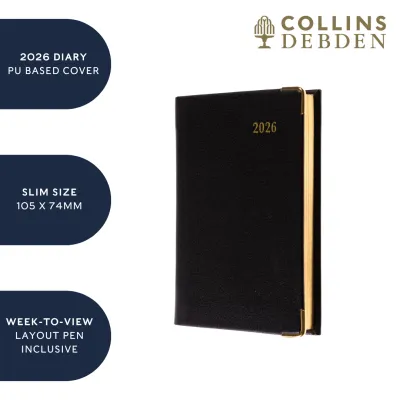
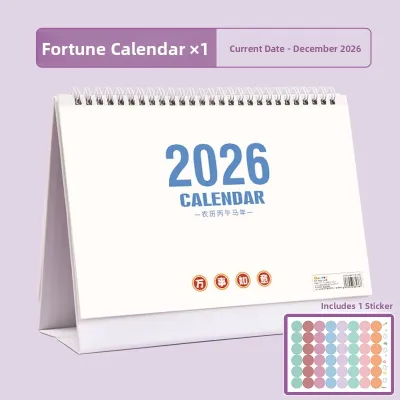
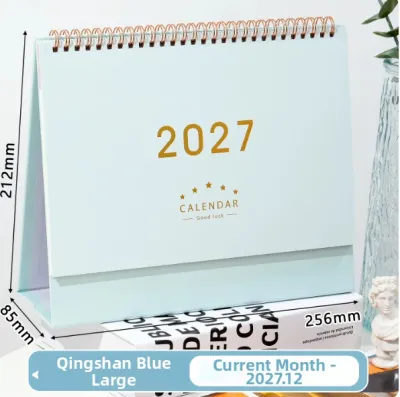
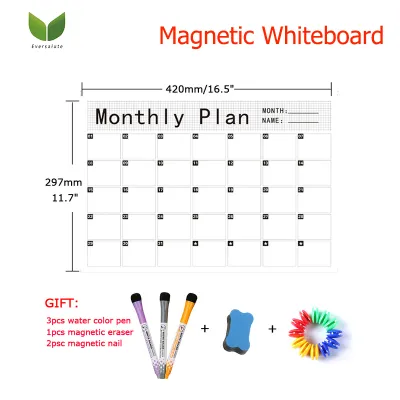
Prices are valid at publication and may change. Please refer to the product page for the latest price.
Structured time-blocking is ideal for individuals with packed schedules, back-to-back appointments, or highly detailed task lists. If your day is dictated by hourly commitments, you require a layout that offers vertical hourly columns. This approach demands a high level of daily discipline and a planner that remains open on your desk throughout the day to keep you on track.
Flexible journaling, on the other hand, prioritizes reflection, creative expression, and open-ended writing. If you prefer to record thoughts, sketch ideas, or write long-form entries alongside your tasks, a highly structured hourly grid will feel restrictive. For this style, look for brands that offer blank, dotted, or lightly lined pages adjacent to a simple weekly or monthly overview, allowing your planner to double as a personal diary.
Minimalist habit tracking and high-level scheduling suit those who only need to note key deadlines, birthdays, and major milestones. If you find yourself writing only two or three items a day, a compact monthly grid or a slim weekly layout is sufficient. This style requires minimal daily time commitment and prevents the visual clutter of unused space, which can often cause unnecessary planning anxiety.
Your daily routine also dictates your physical requirements, such as portability and workspace constraints. If you commute regularly on public transport in Singapore, carrying a heavy, thick planner in your bag can become a daily burden. A compact, lightweight format that fits easily into a small backpack or tote bag is essential for on-the-go scheduling. Conversely, if your planner rarely leaves your home office or work desk, a larger, heavier format with expansive pages provides the necessary room to map out complex projects.
Finally, distinguish between your functional needs and aesthetic preferences. While beautiful cover designs, gold-foiled edges, and decorative stickers are visually appealing, they do not contribute to the functional utility of the layout. Prioritize structural features—such as page layout, paper quality, and binding durability—before choosing a brand based solely on its external appearance.
Key Dimensions for Evaluating Calendar and Planner Brands
When comparing different stationery brands, looking past the cover design to evaluate the physical construction of the planner is crucial. The quality of the paper, the strength of the binding, and the durability of the cover materials directly impact how well the planner performs over twelve months of continuous handling.

Paper weight, measured in grams per square meter (GSM), is one of the most critical technical specifications to check on a product label. Standard planner paper typically ranges from 50 GSM to 120 GSM or higher. Thinner paper, often around 50 to 68 GSM, allows brands to create incredibly slim, lightweight planners with hundreds of pages, but it requires careful pen selection to avoid ink bleeding. Thicker paper, starting at 80 GSM to 120 GSM, offers a more substantial feel and better resistance to wet inks, though it results in a bulkier book.
Texture and coating also play a significant role in your writing experience. Coated papers offer a smooth, gliding feel that is highly satisfying for fountain pens and gel pens, though they require longer drying times. Uncoated papers absorb ink much faster, reducing the risk of smudging, but they can cause certain inks to feather or spread across the fibers. If you prefer using fine-liner pens, ballpoints, or pencils, look for brands that specify a toothy, uncoated texture.
Binding durability determines whether your planner can survive daily opening, folding, and writing. Thread-bound planners, where folded sheets of paper are sewn together in sections, are highly durable and typically allow the book to lay completely flat on a desk. Spiral or wire-bound planners offer the convenience of folding the cover completely back on itself, which is excellent for tight workspaces, though the metal or plastic coils can sometimes interfere with your hand while writing. Disc-bound systems provide ultimate customization, allowing you to add, remove, and rearrange pages, but they require specialized paper punches and sturdy page margins to prevent sheets from falling out.
Size standards vary across brands, and understanding these dimensions is vital for matching your portability needs. The international A-series sizes are the most common, with A5 being the standard balance between writing space and portability. B6 sizes offer a slightly more compact alternative that still provides ample room for daily notes, while pocket-sized formats (such as A6 or slim traveler sizes) are ideal for quick jotting during a busy commute.
In humid climates like Singapore, cover materials require careful consideration. Bookcloth and untreated paper covers are highly susceptible to absorbing moisture from the air, which can lead to warping, staining, or mold growth over time. Synthetic covers, such as polyurethane (PU) leather, textured plastics, or treated cardstock, offer much better resistance to humidity and can be easily wiped clean if they come into contact with sweat or rain during your daily commute.
Matching Layout Formats to Your Daily and Monthly Routines
The internal layout of a planner is the core engine of your organization system. Choosing the wrong layout can make planning feel like a chore rather than a helpful tool. To select the right format, analyze how you naturally break down your time—whether you think in terms of hours, days, weeks, or months.
Daily layouts dedicate an entire page, or sometimes two, to a single day. This format is highly beneficial for individuals who manage complex, multi-step projects, maintain extensive daily to-do lists, or practice detailed journaling alongside their scheduling. The primary trade-off of a daily planner is its physical thickness and weight, as accommodating 365 individual daily pages naturally results in a substantial book that is less convenient to carry around.
Weekly spreads present an entire week across a two-page layout, offering an excellent balance of structure and high-level visibility. These layouts generally come in two formats: vertical and horizontal. Vertical weekly layouts divide the pages into columns for each day, often featuring hourly time slots that are perfect for time-blocking appointments. Horizontal weekly layouts present the days in rows, providing more horizontal writing space that is better suited for bulleted task lists, short journal entries, or flexible note-taking.
Monthly and minimalist grids compress an entire month into a single two-page spread, leaving the rest of the book for blank or dotted note pages. This format is ideal for high-level project management, tracking long-term deadlines, or maintaining a simple editorial calendar. If your daily schedule is managed digitally and you only need a physical paper backup to track major events and habits, a monthly planner offers a lightweight, low-pressure solution.
Another critical decision is choosing between dated and undated formats. Dated planners come pre-printed with specific calendar days, providing immediate structure and helping you maintain strict daily accountability. However, if you experience periods where you do not use your planner for weeks at a time, a dated format can lead to a significant number of wasted, empty pages. Undated planners allow you to fill in the dates as you go, offering complete flexibility to pause and resume planning without wasting paper, making them a highly sustainable and cost-effective choice for irregular planners.
How to Test and Verify a Planner Before Committing
Investing in a high-quality planner is a commitment of both time and money, often ranging from S$20 to upwards of S$80 depending on the brand and system. To ensure you do not end up with a product that fails to meet your expectations, you should perform a few simple tests and checks before fully integrating it into your routine.
If you are purchasing a planner in a physical stationery store, look for display models or sample pages provided by the retailer. You can conduct a quick paper test in an inconspicuous area, such as the very back page or a blank notes section. Write a few words using your favorite everyday pens—including gel pens, fountain pens, and highlighters—to observe how the paper handles the ink. Check the reverse side of the page for ghosting, which is when the ink is visible through the paper, and bleeding, which is when the ink actually seeps through the fibers to the other side.
Next, evaluate the structural integrity of the binding. Open the planner to the middle pages and press down gently along the spine. A high-quality thread-bound planner should lay flat without requiring you to forcefully crease the pages, and the stitching should remain tight without any visible gaps or loose threads. For spiral or wire-bound planners, inspect the coils to ensure they are perfectly round and do not have sharp, exposed ends that could snag on your clothing or scratch your desk surface.
Always read the product packaging or online specifications carefully to verify the technical details of the paper. Look for terms like “acid-free” or “archival quality,” which indicate that the paper will not yellow, degrade, or become brittle over time. Additionally, check if the manufacturer specifies the paper source, such as FSC (Forest Stewardship Council) certification, which ensures the paper is sourced from responsibly managed forests.
When comparing refillable systems, such as ring-bound or disc-bound planners, to traditional bound notebooks, calculate the long-term cost-per-page in S$. While a refillable leather binder may have a higher initial cost, the ongoing expense of purchasing annual paper refills is often much lower than buying a brand-new bound planner every year. Weigh this initial investment against your likelihood of sticking with the same system for multiple years to determine the most cost-effective path.
Frequently Asked Questions (FAQ)
Can I use fountain pen ink on standard planner paper?
Whether you can use fountain pen ink depends heavily on the paper’s GSM, coating, and sizing. To verify compatibility, check the product label for a paper weight of at least 80 GSM, though some specialized thinner papers with high-density coatings can also handle wet inks exceptionally well. Always perform a small test in a hidden corner of the planner before writing extensively, observing if the ink feathers or bleeds through. If you experience minor ghosting on thinner pages, placing a thick sheet of cardstock or a dedicated plastic pencil board directly beneath the page you are writing on can prevent ink from marking the subsequent sheets.
How do I prevent my planner pages from warping in a humid climate?
Paper is highly hygroscopic, meaning it naturally absorbs moisture from the surrounding environment, which can cause pages to warp, ripple, or feel damp in humid climates like Singapore. To protect your planner, store it in a well-ventilated room away from open windows, direct sunlight, and air conditioning vents that blow cold, damp air. If you carry your planner in a bag, consider keeping it inside a protective fabric or canvas pouch along with a small, food-safe silica gel packet to absorb excess moisture. Avoid leaving your planner in hot, enclosed spaces, such as a parked vehicle, as the extreme temperature fluctuations can degrade the adhesives used in the binding.
Is it better to buy a dated or undated planner for long-term use?
The choice between a dated and undated planner depends entirely on your consistency and planning habits. Dated planners are ideal if you require immediate structure, daily accountability, and a clear chronological flow without the setup time of writing in dates yourself. Undated planners are highly suitable if your schedule fluctuates, allowing you to skip weeks or months during holidays without leaving blank, wasted pages. For a balanced approach, consider a hybrid modular system where you use a dated monthly insert for high-level scheduling alongside undated weekly or daily inserts for flexible task management.
Community discussion
Share your experience or ask a question. Comments are reviewed before publication.