
Choosing the right sticker books for a back-to-school stationery list goes beyond picking colorful designs. The most effective choice depends on whether your child needs academic reinforcement, behavioral motivation, or creative expression for the new term. By diagnosing your child’s specific goals, you can select the categories that genuinely support their daily school routines and development. Rather than treating these items as mere toys, viewing them as structured developmental aids allows you to streamline your stationery shopping and avoid unnecessary clutter.
Diagnosing Your Child's Back-to-School Needs
Before adding any sticker book to your shopping cart, take a moment to observe your child’s current developmental stage and daily habits. Children entering a new school term often face distinct challenges, whether adjusting to a longer school day, mastering new academic concepts, or managing transition anxiety. Identifying these specific areas of need helps you determine whether a sticker book should serve an educational, motivational, or recreational purpose.
If your child is struggling with specific learning gaps, such as letter recognition, basic numeracy, or vocabulary, an educational sticker book can make supplementary practice feel like play. For children who find it difficult to follow routines, complete homework on time, or manage morning preparations, a reward-based sticker book paired with a progress chart offers visual motivation. Meanwhile, a child who experiences sensory overload or needs a calming, screen-free transition after a busy school day will benefit most from a creative, open-ended sticker book.
Products mentioned in this guide
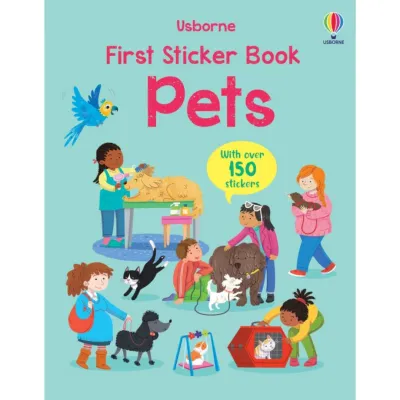
![[SG] USBORNE First Sticker Book Educational Activity Books Gifts Presents Ideas](https://img.lazcdn.com/g/p/7a5553bc0420665cb53d2f95c37cc3af.jpg_400x400q80.jpg_.webp)
![[SG] 2025 LATEST NEW USBORNE Little First Sticker Book Educational Activity Books Gifts Presents Ideas](https://img.lazcdn.com/g/p/35672ab495bc6041b87eae4b4417ff6e.jpg_400x400q80.jpg_.webp)
Prices are valid at publication and may change. Please refer to the product page for the latest price.
Matching these observed signals to the core functions of different sticker book categories prevents the common mistake of buying items that are quickly abandoned. A child who is already highly self-motivated will gain little from a rigid reward chart, while a child struggling with fine motor skills might find complex educational stickers frustrating. By aligning the purchase with your child’s immediate needs, you ensure the stationery item serves a clear, practical purpose in their daily routine.
When to Choose Educational Sticker Books
Educational sticker books are highly effective tools when your child requires gentle academic reinforcement outside of classroom hours. These books are designed to merge cognitive tasks with tactile interaction, helping to solidify abstract concepts through physical placement. They are particularly valuable for early learners in preschool or lower primary grades who are developing foundational literacy and mathematical skills.

When evaluating educational options, check for direct alignment with your child’s current school curriculum. Look for books that focus on age-appropriate topics such as phonics, sight words, basic addition, or introductory science concepts like animal habitats and weather patterns. The stickers should act as active answers to puzzles or matching games, requiring the child to think critically before placing each piece on the page.
It is essential to assess the cognitive load and complexity of the book to ensure it matches your child’s current skill level. A book that is too simple will fail to engage their interest, while one that is too advanced can cause frustration and lower their confidence. Verify that the sticker book is structured as a supplementary learning aid rather than a dense, primary textbook, keeping the activities light, interactive, and achievable within short sessions.
When to Choose Reward-Based Sticker Books
Reward-based sticker books are designed to foster positive reinforcement and help children build consistent daily habits. These books typically feature motivational phrases, colorful icons, and structured progress charts that turn routine tasks into engaging milestones. They are ideal for children transitioning to new school schedules who need help managing their time and responsibilities.
To make the most of these books, identify specific, observable target behaviors that your child needs to develop for the school term. Common goals include packing their school bag the night before, completing spelling homework without prompting, or waking up on time for the morning school bus. By focusing on one or two clear behaviors at a time, you prevent the child from feeling overwhelmed by too many expectations.
Establish clear, achievable milestones where earning a specific sticker leads to a sense of accomplishment. The physical act of peeling and placing a sticker on a chart serves as an immediate visual reward, reinforcing the positive behavior in real time. However, it is important to monitor for signs of over-reliance on external rewards; plan to gradually fade out the use of stickers as these behaviors transition into self-sustained daily habits.
When to Choose Creative Sticker Books
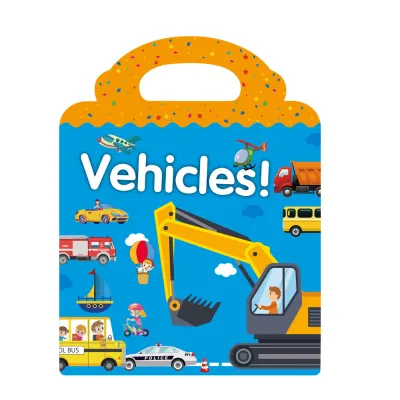
Creative sticker books focus on imaginative expression, storytelling, and fine motor development rather than structured academic outcomes. These books provide blank or themed scenes—such as cityscapes, nature parks, or fantasy worlds—where children can arrange stickers freely to create their own narratives. They serve as an excellent medium for independent, open-ended play.
For younger children, creative sticker books are highly beneficial for practicing hand-eye coordination and bilateral integration. Look for tactile options such as puffy, textured, or holographic stickers, which offer sensory feedback and are easier for small fingers to grasp and peel. This physical manipulation strengthens the hand muscles required for early writing and scissor skills.
These books also function as a reliable, screen-free downtime activity during the busy school week. After a demanding day of structured classroom learning, a creative sticker book allows your child to unwind, decompress, and engage in quiet, self-directed play. This independent activity helps build focus and patience, providing a peaceful transition between school hours and evening routines.
Finalizing Your Sticker Book Shortlist
To finalize your back-to-school stationery list without overbuying, prioritize your selections based on your child’s grade level and actual daily schedule. Younger children in kindergarten often benefit from a mix of creative and basic educational books, while older primary students may only require a single reward-based book to track homework habits. Consulting teacher recommendations can also help you avoid purchasing items that might become distractions in the classroom.
Before making a purchase, inspect the physical attributes of the sticker book to ensure it is practical for daily use. Check the paper quality to ensure pages do not tear easily, and verify the peelability of the stickers so your child can use them independently without adult assistance. If the book is intended for travel or classroom use, consider compact formats that fit easily into a standard school bag.
Set a realistic stationery budget in S$ to keep your seasonal spending on track. A typical budget of S$10 to S$20 is usually sufficient to secure one or two high-quality books without overspending. By selecting just one or two targeted books that address your child’s primary goal for the term, you maintain a clutter-free study space and ensure each book is fully utilized.
Frequently Asked Questions (FAQ)
Are reusable sticker books better for school supplies?
Reusable sticker books offer excellent longevity and cost-effectiveness, as children can reposition the stickers multiple times to create new scenes. However, their adhesive strength tends to decline over time as dust and lint accumulate on the backing. For shared classroom environments, reusable vinyl stickers are often easier to wipe clean, making them a more hygienic choice than traditional paper stickers.
How many sticker books should I buy for the new term?
It is best to start with a minimal viable amount, typically one or two sticker books that target your child’s most immediate need. Buying in bulk often leads to half-finished books and cluttered desks. Begin the term with a single educational or reward book, observe how consistently your child engages with it, and only restock once they have fully completed the first one.

Community discussion
Share your experience or ask a question. Comments are reviewed before publication.