
Preparing for a new school term involves more than just gathering textbooks and uniforms. Organizing these items so they do not get lost, misplaced, or mixed up in a busy classroom is a major step in back-to-school preparation. Stickers have evolved from simple decorative novelties into highly functional tools that help students manage their daily schedules, track their academic goals, and secure their personal property. Incorporating the right types of stickers into a school supply list ensures that everything from water bottles to subject folders remains clearly identified and systematically organized throughout the academic year.
Selecting the right stickers requires balancing visual appeal with practical utility. In a humid tropical climate like Singapore’s, where school bags are frequently exposed to moisture, heat, and daily wear, standard paper stickers often peel or smudge within weeks. By focusing on durable name labels, functional indexing tabs, and low-residue tracking stickers, parents and students can build an efficient organization system. This guide breaks down the essential sticker categories to include in your back-to-school shopping list, detailing how to evaluate materials, adhesives, and grade-specific needs.
Name Labels to Prevent Lost School Property
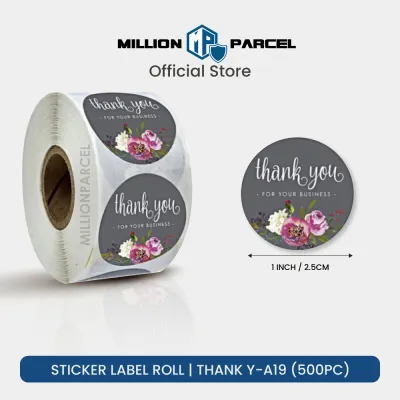
Losing school items is a common and costly challenge for students of all ages. High-quality name labels act as a reliable line of defense, ensuring that misplaced lunchboxes, pencil cases, and textbooks can easily find their way back to their rightful owners. When selecting these labels, it is critical to evaluate the face materials based on the manufacturer’s stated water and scratch resistance rather than assuming all plastic-like stickers perform equally. Look for synthetic face stocks, such as polypropylene or polyester, which are engineered to withstand friction inside heavy school bags and resist moisture from condensation or spills.
Products mentioned in this guide
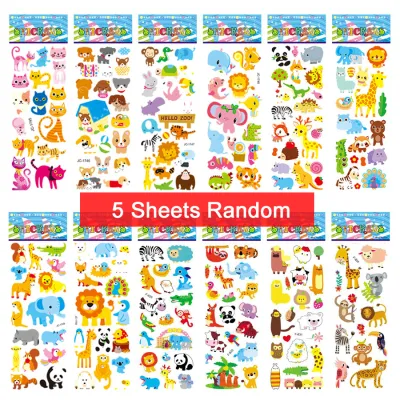
![[SG seller] 10 sheets $1.99 Cheapest 3D Kids Stickers Cartoon Puffy Children Goodie Birthday Party Reward Paw Patrol Frozen Princess Unicorn Pokemon Pony Spiderman McQueen Mickey Dinosaurs Sofia Melody Peppa Stiker Minions Hello Kitty Thomas Animal](https://img.lazcdn.com/g/p/d44708804ff807ce6f6a3ef8aa416395.jpg_400x400q80.jpg_.webp)
Prices are valid at publication and may change. Please refer to the product page for the latest price.
Matching the sticker dimensions and font contrast to the target items is equally important for clear visibility. Small, narrow labels are ideal for thin items like pens, pencils, and rulers, where space is limited. Conversely, larger rectangular labels are necessary for textbooks, binders, and water bottles, allowing room for both the student’s name and class details. High-contrast printing—such as bold black text on a solid white or bright yellow background—ensures that teachers and classmates can read the label at a glance, even in low-light classroom environments.
The success of a name label depends heavily on its adhesive type, which must bond securely to various surfaces without peeling over time. School supplies feature a wide range of textures, from smooth, curved plastics on water bottles to textured fabrics on pencil cases and glossy coatings on textbook covers. For curved or flexible surfaces, look for labels with high-tack, flexible adhesives that conform to contours without lifting at the edges. For books and paper folders, a standard permanent acrylic adhesive is usually sufficient, but it is always wise to check the manufacturer’s compatibility guidelines to ensure the sticker will not lift when exposed to daily handling.
Reward Stickers for Motivation and Habit Tracking
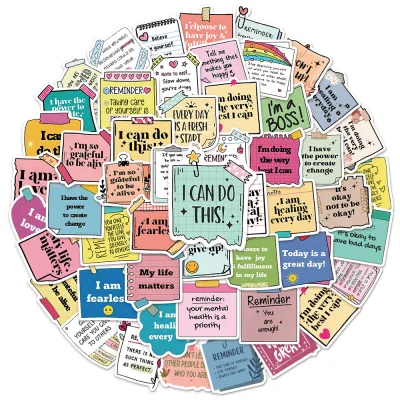
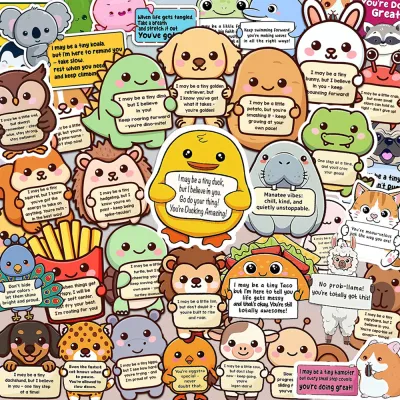
Stickers are not merely organizational; they are also powerful psychological tools that can boost motivation and help students establish positive daily routines. Reward stickers and habit-tracking labels provide immediate visual reinforcement for completing homework, practicing an instrument, or maintaining a clean study space. To make these stickers effective, choose visual themes and sizes that align closely with the student’s age and the specific tracking tools they use, such as wall calendars, student planners, or personal journals. Younger students often respond best to bright, cheerful designs with encouraging words, while older students may prefer minimalist icons, checkmarks, or color-coded dots that fit neatly into compact planner grids.

When integrating reward stickers into planners or reusable charts, prioritizing low-residue or removable adhesives is essential. Many tracking systems rely on laminated sheets, dry-erase boards, or high-quality planner paper that must be preserved for future use. Using stickers with aggressive permanent adhesives can tear delicate paper pages or leave a sticky, unsightly residue on laminated surfaces when removed. Opting for light-tack, removable adhesives allows students to reposition stickers if plans change or peel them off cleanly at the end of a tracking cycle without damaging their expensive organizational tools.
Before applying any motivational stickers to specialized tracking materials, always check the surface compatibility instructions provided by both the sticker manufacturer and the chart creator. Some dry-erase whiteboards and specialized planner papers feature unique coatings designed to resist stains or ink absorption, which can also prevent certain adhesives from bonding correctly. Doing a quick compatibility check ensures that your tracking stickers stay firmly in place during the week but can still be removed cleanly when it is time to reset the chart for a new set of goals.
Indexing and Organizational Stickers for Better Sorting
As students progress through different academic stages, the volume of worksheets, notes, and reference materials increases dramatically. Indexing and organizational stickers are invaluable for dividing subjects, marking important textbook chapters, and streamlining daily study sessions. Color-coded index tabs and edge markers allow for quick subject retrieval in binders, dividers, and multi-subject folders. By assigning a specific color to each subject—such as blue for mathematics and green for science—students can locate the correct section in seconds, reducing transition times between classes and keeping their study materials orderly.
When choosing decorative stickers, functional labels, or washi tapes that require writing, it is vital to assess their surface compatibility with common school writing instruments. Many organizational stickers feature glossy, plasticized, or wax-coated surfaces that cause gel pens, ballpoint pens, or water-based markers to smudge, bead up, or dry incredibly slowly. To avoid messy smudges on important subject tabs, look for matte-finish paper stickers or specialized write-on vinyl labels. Before labeling an entire set of folders, perform a quick test with the student’s preferred pen to verify the drying speed and ensure the ink bonds cleanly to the sticker surface.
Additionally, consider the paper thickness and opacity of both the stickers and the notebook pages they will be applied to. Applying heavy, thick paper stickers or dark, highly saturated decorative labels to thin notebook pages can cause the page to sag, wrinkle, or experience ink bleed-through if you write over them. For standard school notebooks, lightweight paper tabs or thin, semi-transparent film markers are ideal because they provide clear organization without adding unnecessary bulk or compromising the integrity of the surrounding pages.
How to Check Sticker Materials and Adhesives
To avoid damaging expensive school supplies, personal electronics, or borrowed library books, it is crucial to understand how to verify sticker specifications before application. The primary distinction to make is between permanent and removable adhesives. Permanent adhesives are designed to create a long-lasting bond that resists peeling, making them perfect for name labels on items that will stay with the student all year. Removable adhesives, on the other hand, are formulated to peel away cleanly without leaving residue or tearing the underlying surface, making them the correct choice for rented textbooks, shared school property, or temporary planner layouts.
When shopping for stickers that will be exposed to water, food, or frequent cleaning, rely strictly on official product labels and manufacturer specifications rather than general material assumptions. Terms like “waterproof,” “water-resistant,” or “dishwasher safe” are not interchangeable. A sticker labeled “water-resistant” may survive a light splash but will likely disintegrate or peel if submerged in a sink or run through a dishwasher. Always look for explicit manufacturer certifications regarding temperature limits and washing compatibility, especially for stickers applied to lunchboxes and water bottles that require daily sanitizing.
Even when a sticker claims compatibility, practicing a stop-and-test approach is the safest way to prevent damage to delicate, borrowed, or unfamiliar surfaces. Before applying a name label or decorative sticker to a high-value item—such as a school-issued tablet, a leather pencil case, or a rented textbook—apply a small, inconspicuous piece of the sticker material to a hidden area. Leave it in place for 24 to 48 hours, then peel it off to check for any adhesive residue, surface discoloration, or material lifting. This simple precaution can save parents and students from costly replacement fees at the end of the school term.
Building a Sticker Checklist by Grade Level
An effective back-to-school sticker checklist should be tailored to the student’s specific academic stage, balancing practical utility with budget considerations. For students in lower grades (preschool to early primary), the focus should be heavily on large, high-contrast name labels and simple, visually engaging reward stickers. Younger children are still developing their organizational habits and are more prone to misplacing items. Large, colorful name labels with recognizable icons help them identify their belongings even before they can fully read, while bright reward stickers provide immediate, positive reinforcement for completing daily tasks. Budgeting around S$5 to S$15 for a durable set of personalized name labels and a bulk pack of motivational stickers is usually sufficient for this stage.
As students transition into upper primary and secondary school, their organizational needs shift toward functional index tabs, minimalist organizational stickers, and creative journaling supplies. Older students manage multiple subjects, complex timetables, and extensive note-taking. High-contrast, write-on index tabs, color-coded dot stickers, and functional planner labels become essential tools for navigating thick binders and scheduling exam preparation. While decorative stickers and washi tapes are popular for personalizing journals and planners, they should be purchased selectively to complement, rather than clutter, the student’s primary study tools.
To keep back-to-school shopping cost-effective, parents and students should balance bulk purchasing for high-use items with selective buying for specialized sets. Standard name labels and basic color-coding dots are highly economical when purchased in bulk sheets or rolls, which can easily last the entire school year or serve multiple siblings. Specialized items, such as heavy-duty waterproof labels for water bottles or premium write-on index tabs for exam preparation, should be bought in smaller, targeted quantities based on actual subject requirements. This balanced approach ensures students have all the organizational tools they need without cluttering their desks with unused stationery.
Frequently Asked Questions (FAQ)
Are vinyl stickers safe for all school water bottles and lunchboxes?
Before applying vinyl stickers to food and beverage containers, always check the manufacturer’s food-safety certifications and dishwasher-safety labels. While vinyl is a highly durable material, not all vinyl stickers use adhesives or inks that are safe for close contact with food or capable of withstanding the high temperatures of a dishwasher or microwave. Material names alone do not guarantee safety or heat resistance; always follow the container’s care instructions and look for stickers explicitly labeled as non-toxic and dishwasher-safe to ensure they do not degrade or release harmful residues during cleaning.
How can I safely remove sticky residue from textbooks or folders?
To clean adhesive residue without damaging paper covers or plastic sleeves, always start with gentle, reversible methods. For plastic folders or laminated book covers, rubbing a soft vinyl eraser over the residue in a circular motion is often enough to roll the adhesive away safely. For paper covers, applying mild, indirect heat with a hair dryer on a low setting for a few seconds can soften the adhesive, allowing you to peel the sticker slowly at a sharp angle. Avoid using harsh chemical solvents or abrasive scrubbers on paper or unknown plastics, as these can dissolve coatings, smudge inks, or permanently warp the material; if in doubt, consult the item’s care guidelines.
Community discussion
Share your experience or ask a question. Comments are reviewed before publication.