
Selecting the right stamp set for your child involves balancing practical labeling needs with their physical development. In the early years of primary school, the primary goal is preventing lost property, which requires simple, durable name stamps that a young child can operate independently. As students progress to the upper primary levels, their needs shift toward academic organization, self-assessment, and creative expression, calling for more precise and varied stamp mechanisms.
By matching the stamp type to your child’s specific grade level, you can ensure they have a useful tool that supports their daily school routine without causing frustration or mess. This guide breaks down the key factors to consider, from motor skill requirements to safety checks, helping you make an informed decision for your child’s stationery kit.
Identifying Stamp Needs by Grade Level
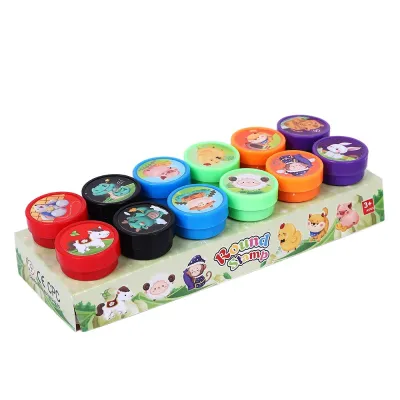
During the lower primary years, spanning Primary 1 to Primary 3, children are adjusting to managing their own belongings. They must keep track of textbooks, exercise books, stationery, water bottles, and school jackets. Name stamps provide a quick, highly legible way to mark these items. At this stage, fine motor skills are still developing, and children may struggle with precise alignment or applying even pressure. Stamps for lower primary students should feature large, ergonomic grips that fit comfortably in smaller hands, producing clear, bold impressions even when pressed with uneven force.
Products mentioned in this guide
Prices are valid at publication and may change. Please refer to the product page for the latest price.
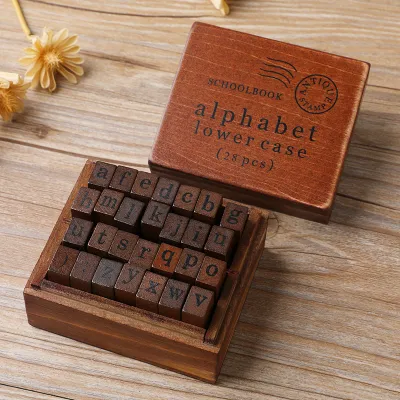
As students transition to upper primary, from Primary 4 to Primary 6, they take on more responsibility for tracking their homework, corrections, and personal schedules. Stamps featuring functional text like “Checked,” “Correction Done,” or “Homework” help them manage their assignments. Additionally, many older students enjoy personalizing their planners, journals, or art projects. They possess the hand-eye coordination required for smaller, more detailed stamps, including traditional wooden blocks or multi-stamp sets that require precise alignment.
Before purchasing any stamp set, it is essential to verify the specific guidelines of your child’s school. Some schools have strict rules regarding the color of ink allowed on official worksheets or exercise books, often restricting choices to dark blue or black. There may also be limitations on the size of name stamps to ensure they fit within standard book templates or labeling areas. Furthermore, while character-themed stamps are highly engaging, some teachers prefer plain, professional fonts to minimize distractions during lessons. Checking these details beforehand prevents purchasing items that cannot be used in the classroom.
Choosing the Right Stamp Mechanism for Your Child
Self-inking stamps are highly popular for their convenience and speed. They contain an internal ink pad that automatically re-inks the rubber die after each press. This mechanism is excellent for rapid, repetitive labeling, such as marking a new stack of textbooks at the start of the school year. However, parents should evaluate the spring tension of the casing. If the spring is too stiff, a lower primary child may struggle to press it down fully, resulting in incomplete impressions. Conversely, if pressed too hard or at an angle, the ink can smudge, so practicing on scrap paper is recommended.

Pre-inked stamps utilize a high-tech gel or oil-based ink infused directly into the stamp pattern, eliminating the need for an internal moving mechanism. They generally produce incredibly crisp, sharp impressions with minimal effort. Because there are no moving parts, they are highly durable and less prone to mechanical failure in a crowded school bag. The main consideration is ensuring the child applies even, vertical pressure. Since there is no spring to guide the alignment, tilting the stamp can cause one side of the impression to fade or blur.
Traditional wooden stamps with separate ink pads offer a classic, tactile experience that is highly suited for art classes, journaling, and home projects. They allow children to swap ink colors easily by using different pads. However, they carry a higher risk of ink transfer to fingers, clothing, and desks. Operating a wooden stamp requires a two-step process: pressing the stamp onto the ink pad with the correct force, and then transferring it precisely to the paper. This sequence helps develop hand-eye coordination but may be too slow and messy for quick classroom labeling.
Visual appeal plays a significant role in how eagerly a child uses their stationery. Character-themed stamps can encourage younger children to take ownership of labeling their belongings. However, plain, minimalist designs are often more versatile and durable as the child grows. A cartoon character that appeals to a Primary 1 student might be rejected as too childish by Primary 4. Opting for clean, classic fonts or simple geometric borders ensures the stamp remains useful throughout the child’s primary school journey.
Safety and Quality Checks Before You Buy
Safety is a paramount concern for items used daily by children. Always check the product packaging for non-toxic certifications. Because young children frequently get ink on their hands or accidentally mark their clothes, prioritizing water-based, washable inks is highly practical. These inks can be easily cleaned with standard hand soap or washed out of school uniforms during a regular laundry cycle. Avoid industrial-grade or permanent solvent-based inks for general school use, as these can emit strong odors and cause permanent stains.
A stamp is only useful if the resulting impression is easily readable. For name stamps, the font size should be large enough for teachers and classmates to identify the owner from a reasonable distance. Avoid overly decorative, cursive, or highly intricate fonts, as the ink can bleed into the paper fibers, turning the text into an illegible smudge. Simple sans-serif fonts are generally the most reliable for maintaining clarity across various paper types.
Consider how easy it is to maintain the stamp over time. Self-inking and pre-inked stamps will eventually run dry. Check whether the manufacturer sells compatible refill ink bottles or replacement ink pads that can be swapped out easily. Some designs allow for clean, cartridge-style refills, while others require dripping liquid ink directly into the mechanism. For safety and cleanliness, ink refilling should always be performed by an adult or under close supervision to prevent spills.
School stationery undergoes significant wear and tear. A stamp set will be tossed into school bags, dropped on classroom floors, and squeezed into packed pencil cases. Look for casings made from thick, impact-resistant plastics or sturdy natural wood. Avoid flimsy, thin-walled plastic mechanisms that can crack easily under pressure or shatter when dropped. A robust locking mechanism on self-inking stamps is also beneficial, as it prevents the stamp from accidentally opening and staining the inside of a school bag.
Building a Grade-Appropriate Stamp Kit
For children in Primary 1 to 3, a streamlined, highly durable kit is best. The cornerstone of this kit should be a single, high-quality self-inking name stamp featuring a clear, bold font. Pair this with a washable ink formula in a standard dark blue or black color. To add a touch of encouragement, you can include one or two simple reward stamps with positive symbols like a star or a smiley face, which the child can use on their personal drawing books or home practice sheets. Keep the kit lightweight so it does not add unnecessary bulk to their school bag.
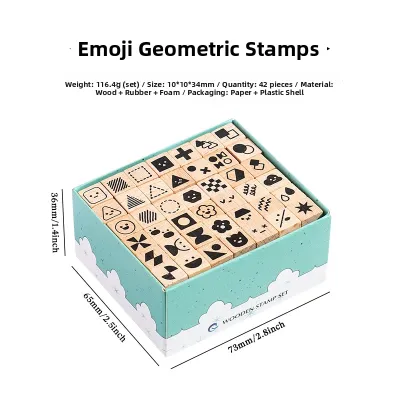
As students enter Primary 4 to 6, their kit can expand to reflect their growing academic and creative needs. Consider adding a set of pre-inked organizational stamps with functional classroom phrases to help them track corrections and homework deadlines. For creative projects, a small wooden stamp set featuring geometric patterns, borders, or nature motifs, paired with a multi-color ink pad, can support their art and journaling activities. This stage allows for more variety, as older children can manage separate ink pads responsibly.
When assembling a stamp kit for school, avoid heavy, industrial-grade metal stamps designed for office use, as these are unnecessarily heavy and can pinch small fingers. Steer clear of permanent, oil-based inks for everyday schoolwork, as they will bleed through standard exercise book paper and ruin the pages underneath. Additionally, avoid overly complex multi-color stamps that require precise, multi-step alignment, as these often lead to frustration during fast-paced classroom activities.
Before finalizing your purchase, conduct a quick final check. Ensure the weight of the entire stamp kit is minimal, keeping the school bag as light as possible. Double-check that the spelling of your child’s name on any customized name stamp is correct, and verify that the ink color complies with any specific classroom rules provided by the teachers. Involving your child in the final selection of the casing color or design can also build excitement and encourage them to take care of their new stationery.
Frequently Asked Questions (FAQ)
How do I remove stamp ink from my child's school uniform?
To remove stamp ink from a school uniform, start by identifying whether the ink is water-based or oil-based. Most standard school stamps use water-based ink, which is relatively easy to clean. Begin by blotting any excess wet ink gently with a clean paper towel; do not rub, as this can spread the stain. Apply a small amount of mild liquid laundry detergent or a specialized pre-treatment stain remover directly to the affected area. Let it sit for a few minutes, then rinse the fabric under cold running water, flushing the stain from the back of the fabric. Finally, wash the uniform in the washing machine according to the care label instructions. If the ink is oil-based or permanent, you may need to apply a small amount of rubbing alcohol to a cotton ball and dab the stain carefully before washing, or consult a professional dry cleaner to avoid damaging the fabric.
Can I use a self-inking stamp on glossy textbook covers?
Standard self-inking stamps are generally designed for porous surfaces like paper and cardboard, where the water-based ink can absorb quickly into the fibers. When applied to glossy, laminated, or plastic textbook covers, standard ink will not absorb; instead, it will bead up, smear, or wipe off easily, leaving a messy smudge. If you need to label glossy surfaces, check if the stamp manufacturer offers specialized quick-drying or permanent ink pads designed for non-porous materials. However, these inks require careful handling and can dry out the stamp mechanism if not stored properly. For a more reliable, smudge-proof, and hassle-free alternative, it is highly recommended to use adhesive name labels on glossy covers and plastic folders, reserving the self-inking stamp for the paper pages inside the books.

Community discussion
Share your experience or ask a question. Comments are reviewed before publication.