
Choosing the right stickers for primary school students in Singapore depends on matching their developmental stage, fine motor skills, and changing academic responsibilities. For lower primary students in Primary 1 and 2, large, easy-peel reward stickers work best to build confidence and motor skills. Middle primary students in Primary 3 and 4 benefit from thematic, collectible, and decorative stickers that support early journaling and personal expression. Upper primary students in Primary 5 and 6 require functional, durable, and minimalist stickers, such as color-coded labels and planner icons, to manage their heavier academic schedules and preparation for national examinations.
Understanding Sticker Needs Across Primary School Years
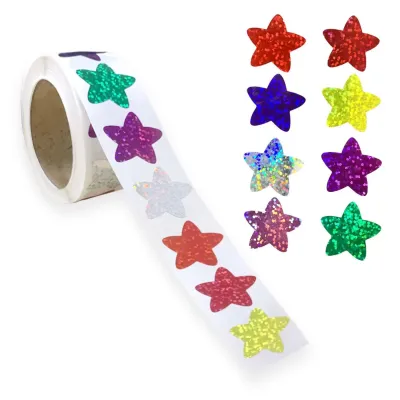
During the six years of primary school education in Singapore, children undergo rapid cognitive, physical, and social development. At age seven, a Primary 1 student is adjusting to a structured school environment, learning to manage their own stationery, and developing the fine motor control needed for precise tasks. Stickers at this stage act as immediate, tangible feedback loops. A simple star or a cheerful cartoon character can make the transition from kindergarten to primary school feel welcoming and manageable.
As students progress into the middle primary years of Primary 3 and 4, their fine motor skills mature significantly. They can easily handle smaller, more intricate designs without tearing the paper backing. This stage is also marked by a growing desire for autonomy and personal identity. Students begin to curate their own stationery collections, trade stickers with friends during recess, and use them to personalize their diaries, notebooks, and pencil cases. The sticker ceases to be just a reward given by an adult; it becomes a medium for personal storytelling and social bonding.
Products mentioned in this guide
Prices are valid at publication and may change. Please refer to the product page for the latest price.
In the final stretch of primary school, covering Primary 5 and Primary 6, the academic landscape becomes more demanding. Students must balance multiple subjects, remedial classes, co-curricular activities, and preparation for the Primary School Leaving Examination. Consequently, their stationery needs shift toward utility and efficiency. Stickers are no longer just decorative; they are integrated into active study strategies. Highlighters, index tabs, and functional planner stickers help students break down complex timetables and track their revision progress. Understanding this natural progression allows parents to select stickers that are not only fun but also developmentally appropriate and genuinely useful for their child’s daily school life.
Selecting Stickers for Primary 1 and Primary 2
For Primary 1 and Primary 2 students, the primary goal of using stickers is to encourage positive reinforcement and support the development of fine motor skills. At this age, children are still refining their hand-eye coordination and the grasp required to peel small items from a backing sheet. Therefore, the physical design of the sticker is just as important as the visual appeal.

When shopping for lower primary stickers, prioritize larger sizes—ideally those measuring at least two to three centimeters in diameter. Simple geometric shapes, such as circles, squares, or broad stars, are much easier for young fingers to handle than complex shapes with thin, protruding edges that can easily tear during the peeling process. Look for sticker sheets that feature a slightly extended backing or a split-back design, which allows the child to bend the sheet slightly to release the edge of the sticker without assistance.
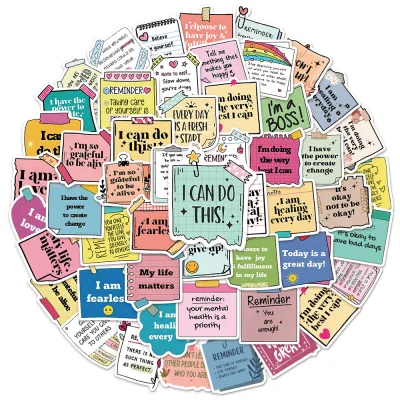
Visually, stickers for this age group should feature bright, high-contrast colors and clear, easily recognizable characters or symbols. Simple motivational phrases like “Great Effort!”, “Super Star!”, or “Keep It Up!” are highly effective. These visual cues provide instant gratification and help build a positive association with schoolwork and daily routines.
From a material standpoint, safety and ease of use are paramount. Look for stickers made with non-toxic, water-based adhesives. Younger children frequently apply stickers to their hands, arms, or personal belongings, so ensuring the adhesive is gentle on skin and free from harsh chemical odors is essential. Additionally, choose stickers with a laminated paper or thick vinyl finish. These materials are durable enough to withstand the rough handling, accidental spills, and sweaty palms that are common during active school days in Singapore’s warm climate.
Selecting Stickers for Primary 3 and Primary 4
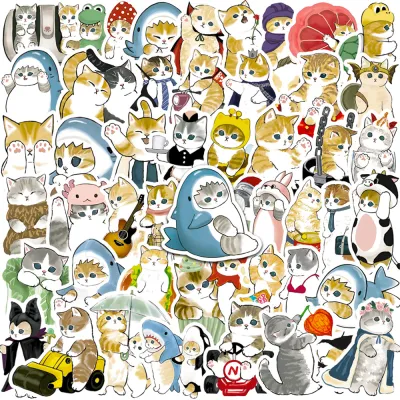
As students enter Primary 3 and Primary 4, their stationery preferences become more sophisticated. They are no longer satisfied with generic reward stars; instead, they seek out stickers that reflect their specific hobbies, favorite animals, space exploration, science themes, or popular animated characters. This period represents a peak phase for collecting and trading, where stickers serve as a social currency on the school yard.
During these middle primary years, many students begin keeping personal diaries, scrapbooks, or creative journals. Stickers play a central role in these activities, helping children illustrate their thoughts and decorate their pages. To support this creative outlet, look for sticker sheets that offer a wide thematic variety. Matte paper stickers are particularly useful for journaling because they allow students to write dates, notes, or short captions directly onto the sticker surface using standard gel pens or ballpoint pens without the ink smudging.
Parents should also consider the format of the stickers. While sticker rolls are convenient for quick dispensing, sticker sheets are much easier to store flat inside a school folder or pencil case. This is also an excellent time to introduce the distinction between die-cut and kiss-cut stickers. Die-cut stickers are cut through both the sticker and the backing paper, resulting in individual, standalone stickers that are perfect for trading and collecting. Kiss-cut stickers are cut only through the top vinyl or paper layer, leaving the backing sheet intact. Kiss-cut sheets are highly organized and prevent individual stickers from getting lost at the bottom of a school bag.
When selecting stickers for decorating school notebooks, ensure they have a slim profile. Bulky, 3D puffy stickers or those with heavy embellishments can make it difficult for students to write on the reverse side of a notebook page, leading to uneven handwriting and frustration during lessons. Flat, high-quality paper or thin vinyl stickers are much better suited for academic notebooks.
Selecting Stickers for Primary 5 and Primary 6
In Primary 5 and Primary 6, the focus of stationery shifts decisively toward academic organization, time management, and a more mature aesthetic. Upper primary students are managing a significantly higher volume of homework, practice papers, and exam schedules. Consequently, the stickers they use should help them streamline their study habits and maintain focus.
Functional planner stickers are incredibly valuable for this age group. Look for sheets that include color-coded labels, index tabs, and small icon stickers representing specific tasks—such as a book icon for reading assignments, a pencil icon for writing tasks, or an exclamation mark for urgent deadlines. These visual markers allow students to see their weekly schedule at a glance, helping them prioritize their revision and manage their time effectively.
The aesthetic preferences of older primary students also undergo a noticeable change. They often move away from bright, cartoonish designs in favor of minimalist patterns, pastel color schemes, vintage illustrations, or sleek geometric layouts. These designs feel more grown-up and align with their developing sense of personal style.
Durability and finish are critical considerations for upper primary stickers. Because these stickers will be placed on textbooks, assessment books, and subject files that are carried back and forth to school daily, they must be highly durable. Opt for stickers with a matte or satin finish, which resists fingerprints and matches the professional look of school materials. Water-resistant vinyl stickers are also highly recommended for personalizing water bottles, lunchboxes, and plastic document folders, ensuring that the designs do not peel, fade, or turn mushy when exposed to condensation or accidental spills in a school bag.
Essential Material, Safety, and Quality Checks
Before purchasing any stickers for your child’s school year, it is important to perform a few basic quality and safety checks to ensure they are suitable for daily use and will not damage school property or personal belongings.
First, examine the adhesive safety. Always check the product packaging for safety certifications, such as the ASTM D-4236 or EN71 standards, which indicate that the materials and adhesives used are non-toxic and safe for children. This is especially important for younger students who may have sensitive skin or a habit of sticking stationery items on their faces or hands. Additionally, look for “acid-free” labels, particularly for stickers intended for long-term placement in journals or textbooks, as acid-free adhesives prevent the paper from yellowing or deteriorating over time.
Second, consider surface compatibility. Not all stickers adhere equally well to all surfaces. To avoid disappointment, perform a simple test before applying stickers to expensive school gear. Apply a small corner of the sticker to an inconspicuous area of the target object—such as the inside cover of a plastic file or the bottom of a pencil case. Check if the edges lie flat and remain secure after a few hours. High-quality stickers should adhere smoothly to paper, plastic, and metal without lifting or curling at the corners.
Finally, pay close attention to residue and removal properties. For school-issued textbooks, library books, or rented materials, it is vital to use only low-tack, removable stickers. These are designed to peel off cleanly without tearing the underlying paper or leaving a sticky, dirt-attracting residue. In Singapore’s hot and humid climate, standard adhesives can degrade over time, turning into a gummy, stubborn residue that is difficult to clean. Choosing high-quality, removable options saves significant time and effort at the end of the school year when books need to be returned or passed down to younger siblings.
Frequently Asked Questions (FAQ)
Are there school rules against bringing stickers to class?
While stickers are generally considered harmless stationery items, individual school policies in Singapore can vary. Some schools have strict guidelines regarding non-academic items to prevent distractions during lessons or to avoid peer disputes arising from trading sticker collections during recess. It is always best to consult your child’s specific school student handbook or check directly with their form teacher before allowing them to bring large sticker sheets or trading albums to class. Keeping stickers for home study areas or personal journals is often the safest approach to avoid any classroom distractions.
How can I prevent stickers from drying out or losing stickiness?
Singapore’s tropical climate, characterized by high humidity and warm temperatures, can cause sticker adhesives to dry out, melt, or lose their bonding strength over time. To preserve the quality of your sticker sheets throughout the school year, store them flat in a cool, dry place away from direct sunlight. Using airtight plastic sleeves, ziplock bags, or dedicated sticker storage books is highly effective at keeping moisture out. Avoid storing stickers near windows, study desks exposed to afternoon sun, or in damp areas of the home.
What is the best way to remove sticker residue from textbooks?
If a sticker has left a sticky residue on a textbook cover, the removal method depends on the cover material. For laminated or plastic-coated covers, you can gently rub a soft plastic pencil eraser over the residue; the friction will often roll the adhesive into small, easily removable crumbs. For more stubborn residue, apply a tiny drop of cooking oil or a specialized adhesive remover to a microfiber cloth and gently wipe the area, taking care not to let any liquid seep into the paper edges. Always test a small, hidden corner first, and avoid using any liquids on uncoated paper covers, as this can cause permanent staining or tearing.
Community discussion
Share your experience or ask a question. Comments are reviewed before publication.