
Choosing the right paint palette is not just about finding a surface to hold your colors; it is about how the material interacts with your specific medium. The chemical properties of acrylic, oil, and watercolor paints require distinct surface characteristics to prevent issues like rapid drying, permanent staining, or structural damage to the palette itself.
To make the best choice, you must evaluate two primary material characteristics: porosity and chemical resistance. Porous materials like untreated wood absorb moisture and binders, drying out paint prematurely and making cleanup difficult. Meanwhile, chemical resistance determines whether a material can withstand the strong solvents used in oil painting or the intense pigments in watercolors without degrading.
Mismatching your paint and palette can lead to frustrating results. For instance, acrylic paint can bond permanently to untreated wood, while harsh solvents can warp or melt certain plastics. By understanding these material dynamics, you can select a surface that keeps your paint workable and simplifies cleanup.
Products mentioned in this guide
![[Ready Stock] 12 Colour Watercolour Palette](https://img.lazcdn.com/g/p/93fdcf7d01c8945cc28233731b5d4e1c.jpg_400x400q80.jpg_.webp)
Prices are valid at publication and may change. Please refer to the product page for the latest price.
Matching Palette Materials to Your Painting Medium
Different mediums demand different physical properties from a mixing surface. Whether you work with fast-drying acrylics, slow-curing oils, or fluid watercolors, matching your medium to the correct material ensures a smoother painting process.
Acrylic Paint: Preventing Drying and Sticking
Acrylic paint dries through evaporation, forming a flexible plastic film that adheres strongly to porous surfaces. To prevent acrylics from bonding permanently to your palette, prioritize non-porous materials like glass, ceramic, or specialized plastics.
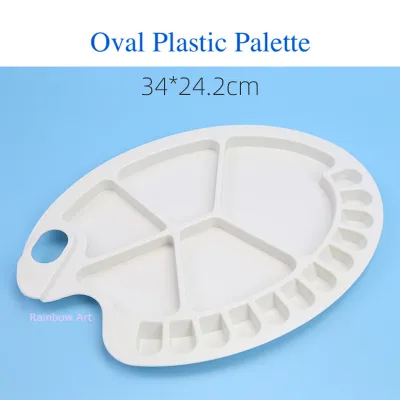
Glass is highly recommended for acrylics because its completely smooth surface allows you to scrape away dried paint easily with a palette knife. Ceramic offers a similar benefit, providing a heavy, stable surface that resists staining and allows dried acrylic to peel off with minimal effort. If you prefer plastic, look for high-density options designed specifically for acrylics, as low-grade plastics scratch easily and trap paint in the crevices.
Untreated wood is highly unsuitable for acrylic paint because the wood fibers absorb water from the paint, causing it to dry out rapidly. If you prefer a wooden palette, verify that it has a factory-sealed, polyurethane, or lacquered finish. When shopping, check the product specifications to ensure the wood has been treated with a moisture-resistant coating, and look for observable features like a glossy, smooth finish.
Oil Paint: Managing Solvents and Traditional Surfaces
Oil painting involves slow-drying binders and organic solvents, which require a palette that can withstand chemical exposure without degrading. Traditional oiled wood palettes remain a classic choice because they are lightweight, comfortable to hold during long studio sessions, and naturally compatible with oil mediums when properly sealed.
If you choose a wooden palette, check the product label to ensure it has been pre-treated with linseed oil or a solvent-resistant varnish. Untreated wood will absorb the oil binder from your paint, leaving it dry and crumbly. For modern studio setups, glass and ceramic palettes are excellent alternatives; they are completely impervious to solvents like mineral spirits, allowing you to mix paint freely without worrying about surface degradation.
However, glass and ceramic palettes are heavy and fragile, making them less suitable for handheld use. If you work with a glass palette, it is best kept flat on a sturdy tabletop rather than held in your hand. When selecting a glass palette for studio use, look for tempered glass with finished, rounded edges to minimize the risk of breakage.
Watercolor: Avoiding Staining and Water Damage
Watercolor painting relies on highly fluid washes and intense pigments that can easily stain or pool on the wrong surface. Ceramic is widely considered the premier material for watercolor mixing because its smooth, heavy surface prevents water from pooling or “beading up” into isolated droplets, allowing you to see the true color and consistency of your washes.
In contrast, many plastic palettes cause watercolor paint to bead up, making it difficult to judge color mixtures. Plastic is also highly susceptible to pigment staining, especially when using staining colors like phthalo blue. While ceramic resists staining completely and is easy to wipe clean, plastic palettes are far more lightweight and durable, making them the preferred choice for outdoor painting or art classes.
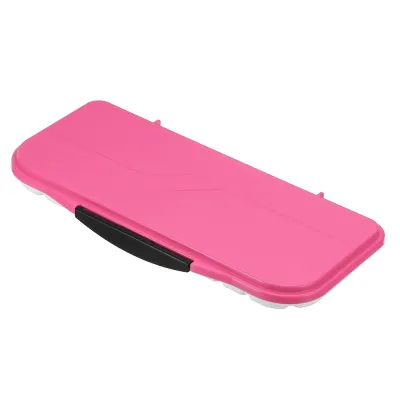
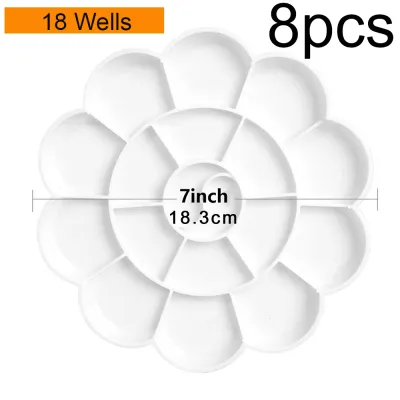
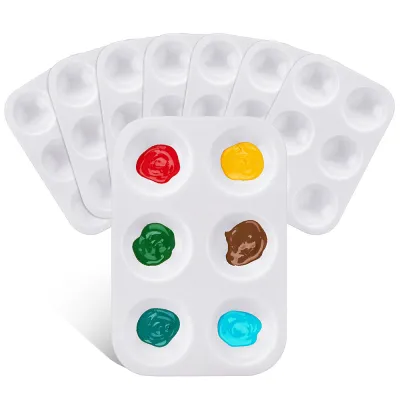
When selecting a plastic watercolor palette, look for models that feature a matte or specially treated surface coating designed to prevent water beading. Additionally, prioritize designs with deep mixing wells, secure lids, and rubber seals to prevent fluid paint from leaking during transport.
Evaluating Palette Materials for Cleaning and Maintenance
Maintaining your palette in pristine condition requires different cleaning techniques depending on the material. Using the wrong tool or cleaning agent can ruin the surface, making future mixing sessions much more difficult.

Wooden palettes require regular care to maintain their protective barrier. Never submerge a wooden palette in water or use harsh metal scrapers, as this can warp the wood and scratch the finish. Instead, wipe away excess oil paint with a soft cloth and a small amount of solvent, then periodically rub the surface with linseed oil to restore its moisture resistance.
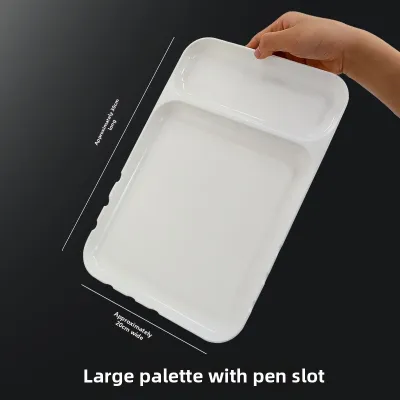
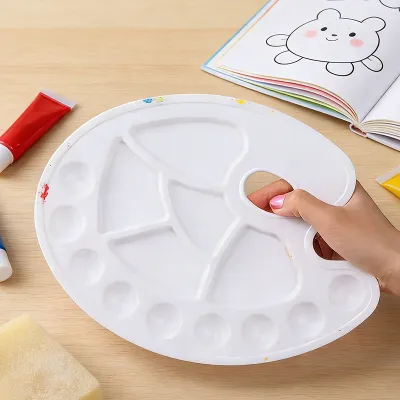
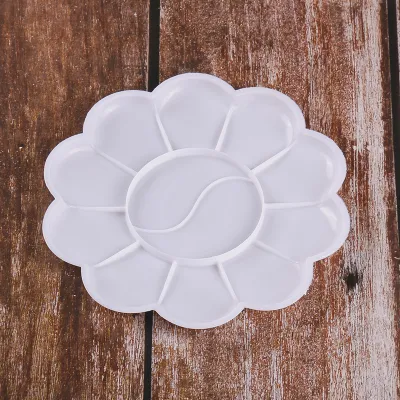
Plastic palettes are lightweight and affordable, but they are highly susceptible to physical damage. Avoid using sharp metal palette knives or abrasive scrubbing pads on plastic, as these tools create micro-scratches that trap pigment and dried paint over time. Once a plastic surface is scratched, cleaning becomes significantly harder, so stick to plastic mixing knives and soft sponges.
Glass and ceramic palettes are the easiest to clean and maintain due to their hard, non-porous surfaces. For dried acrylic or oil paint on a glass palette, you can safely use a flat razor scraper held at a shallow angle to peel the paint away in sheets. For ceramic, a warm water soak and a soft cloth are usually sufficient to remove even dried-on watercolor or gouache.
Regardless of the material you choose, always check the manufacturer’s care instructions before applying any cleaning solvents or chemical agents. Some plastics can cloud or melt when exposed to alcohol or acetone, while certain sealants on wooden palettes can be stripped away by strong solvents.
Practical Checklist for Choosing Your Paint Palette
To finalize your purchase, you should evaluate your specific studio setup, budget, and painting habits using a structured framework.
First, assess your physical workspace and portability needs. If you paint at a fixed desk in a compact apartment, a heavy, stationary glass or ceramic palette provides a stable mixing area that will not slide around. If you travel to classes or paint outdoors, a lightweight plastic palette with a secure lid is much more practical and safer to transport.
Second, verify the manufacturer’s specifications for chemical resistance and material safety. Ensure that the palette is rated for the specific solvents or paint types you plan to use, especially if you work with heavy-body acrylics or strong oil mediums.
Third, consider your budget. Basic plastic palettes are highly affordable, typically ranging from S$3 to S$15, making them excellent for beginners and students. Mid-range wooden and tempered glass palettes generally cost between S$15 and S$40, offering better durability and a more professional mixing experience. Premium ceramic palettes or specialized airtight palette systems can range from S$40 to over S$80, representing a long-term investment for serious artists.
Finally, when purchasing from online craft stores, always check the return policy. Because surface texture and weight are highly tactile preferences, you want the option to return or exchange the palette if the material does not feel right in your hand or on your desk.
Frequently Asked Questions (FAQ)
Can I use a silicone palette for all types of paint?
Silicone palettes are highly versatile and work exceptionally well with acrylic paints, as dried acrylic does not adhere to silicone and can be peeled off effortlessly. They are also suitable for watercolors, though water may bead up on the surface initially. However, silicone is not recommended for oil painting; the material can absorb oils over time, and some strong solvents used in oil painting may degrade or swell the silicone structure.
How do I restore a stained plastic watercolor palette?
To clean a stained plastic palette without damaging the surface, avoid abrasive scrubbing pads, which create micro-scratches that trap more pigment. Instead, apply a paste of baking soda and water, rub it gently with a soft sponge, and rinse thoroughly. If the stain remains, it is likely cosmetic and will not affect your color mixing, but deep staining accompanied by a rough texture indicates surface degradation, meaning it may be time to replace the palette.
Is it safe to leave oil paint on a wooden palette overnight?
Leaving oil paint directly on a wooden palette overnight is safe if the wood is thoroughly sealed and oiled, as oil paint dries very slowly. However, if the sealant is worn or damaged, the wood will absorb the oil binder, leaving the paint dry and difficult to remove. To preserve wet paint safely, consider using palette paper over the wood or placing the entire palette inside an airtight container to slow down the oxidation process.

Community discussion
Share your experience or ask a question. Comments are reviewed before publication.