
Choosing the right watercolor palette is a highly personal decision that directly impacts your painting workflow, color mixing accuracy, and overall creative comfort. The ideal material depends on how you balance paint behavior, durability, and portability. While lightweight plastic palettes are excellent for travel and outdoor sketching, heavy ceramic options excel in dedicated studio environments where effortless cleaning is a priority. Enamel-coated metal palettes offer a durable, highly functional middle ground, combining the mixing benefits of ceramic with the drop-resistant portability of plastic.
How Surface Material Affects Paint Behavior and Mixing
The way water and pigment interact with your palette’s surface determines how easily you can mix smooth, predictable washes. On a brand-new plastic palette, the high surface tension often causes water to bead up and pool into tight droplets rather than spreading evenly. This makes it difficult to judge the exact dilution and color value of your wash before applying it to paper.
In contrast, ceramic and high-quality enamel surfaces allow water to flow and pool flatly across the mixing area. This flat pooling mimics how the paint behaves on wet paper, giving you a much more accurate representation of your color mixtures. It is particularly helpful when working with granulating pigments, as you can observe how the heavy particles settle in the wash before applying them to your artwork.
Products mentioned in this guide
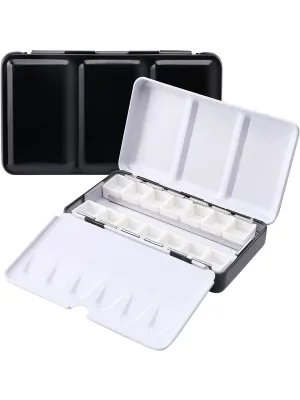
![[Ready Stock] 12 Colour Watercolour Palette](https://img.lazcdn.com/g/p/93fdcf7d01c8945cc28233731b5d4e1c.jpg_400x400q80.jpg_.webp)
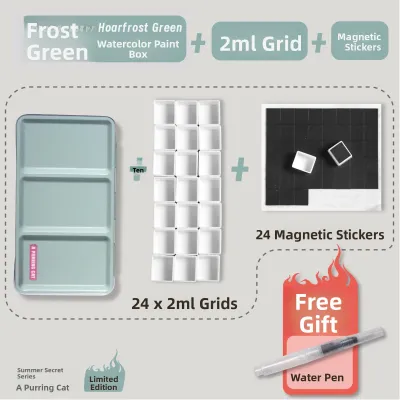
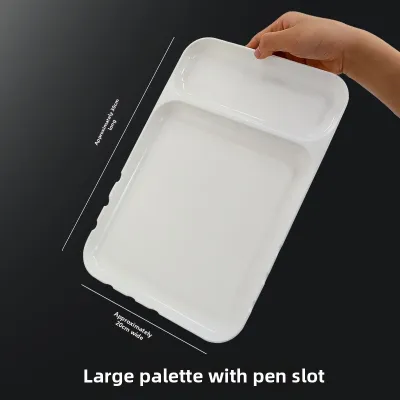
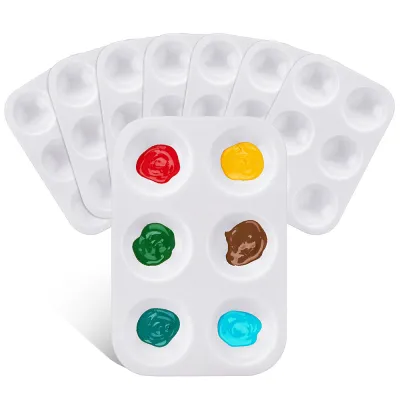
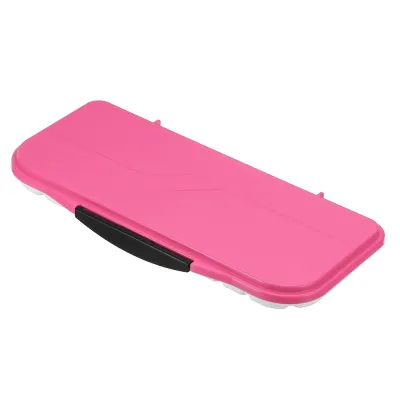
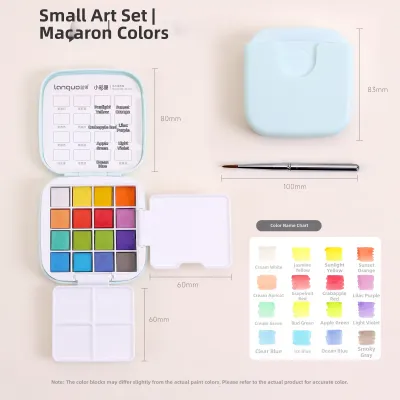
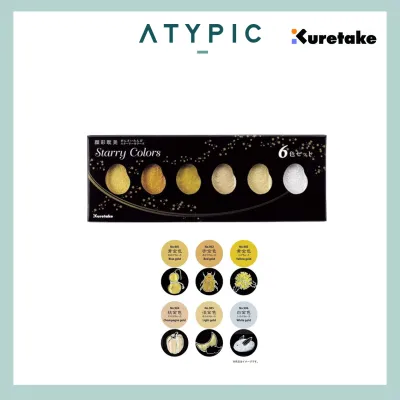
Prices are valid at publication and may change. Please refer to the product page for the latest price.
Pigment adhesion also varies significantly across these materials. Plastic surfaces tend to absorb certain staining pigments over time, which can permanently discolor the mixing wells and interfere with your color perception. This is especially true for modern organic pigments like phthalo blue or quinacridone magenta, which bond easily with synthetic polymers. Ceramic is highly resistant to staining, allowing even the most staining pigments to lift off completely with a damp brush or sponge. Enamel sits in between; while it resists staining far better than plastic, lower-grade or older enamel coatings can eventually develop micro-scratches that trap pigment.
The physical texture of the surface also plays a role when working with different paint formats. Smooth ceramic provides an excellent, non-porous surface for grinding dry pan paints or blending thick, creamy tube pigments without wearing down your brush bristles. Plastic and enamel also offer smooth surfaces, but they lack the natural weight and grip of ceramic, which keeps the palette firmly anchored to your desk while you mix.
Comparing Durability, Cleaning, and Long-Term Maintenance
Evaluating the long-term lifespan and maintenance requirements of each material helps ensure your palette remains a reliable tool for years. Staining and ghosting are the most common maintenance challenges, particularly with plastic palettes. Over months of active use, pigments can leave a permanent haze on plastic, forcing you to mix colors against a discolored background.

Scratch resistance is another critical factor to consider, especially if you use metal palette knives or stiff, abrasive brushes. Molded plastic scratches easily, and these tiny grooves quickly become breeding grounds for dried pigment and mold. Enamel-coated metal is highly scratch-resistant, but dropping it or using metal tools can chip the protective glass-like coating, exposing the underlying metal to moisture and rust. Ceramic is exceptionally scratch-resistant and will not degrade from brush friction, though it remains vulnerable to chipping or shattering if dropped on a hard studio floor.
To preserve the surface finish of any palette, establish a gentle cleaning routine. Avoid using harsh chemical solvents, abrasive scrubbing pads, or bleach, which can strip the glossy finish off plastic and degrade enamel coatings. Instead, hand-wash your palette using mild dish soap, warm water, and a soft microfiber cloth or sponge. Always check the manufacturer’s care instructions, as some specialized plastic or coated palettes have specific cleaning limitations. For stubborn stains on ceramic, a paste of baking soda and water can be gently applied, but this should be avoided on plastic to prevent micro-scratching.
Portability, Weight, and Studio vs. Travel Setups
Matching your palette’s physical properties to your primary painting environment prevents unnecessary frustration during transit or long painting sessions. Weight and fragility are the primary trade-offs when choosing a setup. Ceramic palettes are heavy and fragile, making them poorly suited for field sketching or travel where a single drop can ruin the tool. They are best kept as permanent fixtures on a flat, stable studio desk.
Plastic palettes are incredibly lightweight and resilient, making them the traditional choice for plein air painters and students. They can survive drops onto concrete and add virtually no weight to a backpack.
Enamel-coated metal tins serve as an excellent middle ground for mixed-use painters. These tins offer the flat-mixing benefits of a glass-like surface while remaining relatively lightweight and highly durable. Even if the enamel chips slightly from rough handling in the field, the metal structure remains intact and functional.
Before purchasing, verify the form factor compatibility with your existing gear. If you use a travel watercolor box, a pochade box, or a field easel, measure the mixing area to ensure the palette fits securely. Heavy ceramic palettes often require a dedicated, level desk stand to prevent sliding, while compact plastic and enamel tins frequently feature thumb rings or folding flaps designed for handheld use. Additionally, consider the climate and environment; in humid tropical settings like Singapore, airtight plastic palettes with silicone seals can help keep your poured tube paints moist for longer periods, whereas open ceramic plates are better suited for dry pan setups.
Decision Framework: Choosing Your Ideal Watercolor Palette
To finalize your selection, consider how your painting environment and budget align with each material’s strengths.
Choose a plastic palette if you prioritize an ultralight, drop-resistant setup for travel, outdoor sketching, or classroom use. This is the most budget-friendly option, making it ideal for beginners who are willing to manage initial water beading in exchange for portability and ease of transport.
Choose a ceramic palette if you paint primarily at a dedicated desk or studio space. It is the best choice if you want zero water beading, demand effortless cleaning, and prefer a heavy, stable mixing surface that will never stain or slide around during active painting.
Choose an enamel palette if you want a durable, travel-friendly metal tin that offers superior paint-mixing behavior compared to plastic, without the extreme weight and fragility of ceramic. It is a versatile option for artists who split their time between the studio and the field.
Always verify the specifications first if you are purchasing vintage, handmade, or unbranded palettes. Check for existing chips, cracks, or rust spots, and review the manufacturer’s safety guidelines to ensure older enamel glazes or ceramic finishes are free from harmful heavy metals.
Frequently Asked Questions (FAQ)
How do I fix water beading on a new plastic palette?
To reduce surface tension on a new plastic palette, you can gently abrade the mixing wells to create a microscopic texture that helps water spread. Use a very mild abrasive, such as a tiny dab of non-gel toothpaste or a soft white eraser, and rub the surface gently before rinsing. Always check the manufacturer’s warnings first, as aggressive scrubbing can permanently ruin some specialized plastic finishes.
If you prefer a non-destructive alternative, try adding a tiny drop of watercolor wetting agent or gum arabic directly into your mixing water cup. This alters the water’s surface tension naturally, allowing the paint to lay flat on the plastic without requiring any physical alteration to the palette itself.
Can I put my ceramic or enamel palette in the dishwasher?
It is highly recommended to avoid putting any watercolor palette in the dishwasher. The intense heat cycles and highly abrasive detergents used in dishwashers can easily dull the glossy finish of plastic, cause thermal shock that cracks ceramic, or degrade and chip protective enamel coatings.
Instead, preserve your palette’s surface by hand-washing it with mild dish soap, warm water, and a soft sponge. This gentle method effectively removes dried pigment without compromising the material’s integrity or longevity.
Community discussion
Share your experience or ask a question. Comments are reviewed before publication.