
Selecting a planner is a deeply personal decision that directly impacts your daily productivity and peace of mind. With various formats, sizes, and layouts available, finding the right Nerundy planner requires a clear understanding of your organizational habits and physical preferences. Rather than choosing a model based solely on aesthetics, matching the planner’s design to your specific workflow ensures that it becomes a functional tool rather than an abandoned notebook. By evaluating your daily writing frequency, understanding layout structures, and verifying paper specifications, you can confidently select a planner that supports your lifestyle.
Diagnose Your Personal Planning Habits
Before diving into specific product catalogs, take a moment to diagnose your current planning habits and organizational needs. The most common pitfall in starting a new planner is choosing a layout that demands more time than you are realistically willing to invest. Ask yourself how often you actually sit down to write; if you only update your schedule once or twice a week, a highly detailed daily planner might leave you with intimidating blank pages that discourage continued use. Conversely, if your day is packed with hourly appointments and shifting priorities, a simple weekly overview will quickly run out of space.
Next, identify your primary use cases to determine what kind of content your planner must accommodate. A professional managing multiple projects needs a structured system to track deadlines, follow-ups, and meeting notes. A student might prioritize weekly columns that align with academic semesters and assignment due dates. Meanwhile, those using a planner for personal development or mindfulness may require dedicated space for reflective journaling, gratitude lists, and long-term goal tracking. Defining these goals early helps narrow down the structural features you need.
Products mentioned in this guide
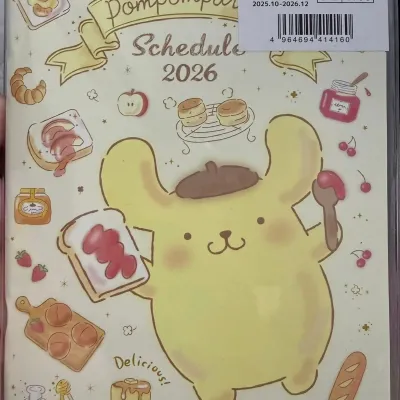
Prices are valid at publication and may change. Please refer to the product page for the latest price.
Finally, consider your preference for structure versus creative freedom. Some planners come with rigid, pre-printed templates, hourly grids, and guided prompts that tell you exactly where to write your tasks. This is incredibly helpful for individuals who thrive under clear guidelines and want to maintain a neat, standardized record. On the other hand, if you prefer to mind-map, sketch, or write freeform notes, look for planners that offer open, dotted, or blank spaces. Balancing these elements ensures your planner adapts to your thinking process rather than forcing you into an uncomfortable system.
Match Your Habits to Planner Layouts
Once you have a clear picture of your planning habits, you can begin matching them to the specific page layouts available in the Nerundy range. Daily layouts are highly effective for individuals who require granular, day-to-day task management and detailed scheduling. These formats typically dedicate an entire page to a single day, providing ample room for hourly time-blocking, extensive to-do lists, and detailed notes. If you find yourself juggling back-to-back meetings or need to track detailed daily habits alongside your professional commitments, a daily layout offers the necessary real estate to keep everything organized without clutter.

Weekly layouts offer a broader, at-a-glance perspective that is ideal for balancing professional and personal lives. Usually spanning a two-page spread, these layouts allow you to see the entire week’s commitments simultaneously, making it easier to anticipate busy days and distribute your workload evenly. Weekly planners often come in vertical formats, which are excellent for time-blocking, or horizontal formats, which provide lined boxes that feel more like a traditional diary. This layout is highly recommended for users who want to maintain a consistent planning routine without the pressure of filling a page every single day.
For those with unpredictable schedules or high-level project tracking needs, monthly or undated formats provide the ultimate flexibility. An undated planner allows you to step away from your desk for a vacation or a busy period without returning to pages of wasted, pre-dated paper. You simply write in the dates as you go, making it a highly economical and stress-free option. Monthly layouts, on the other hand, are perfect for tracking long-term milestones, travel plans, budget overviews, or content calendars where daily detail is secondary to the bigger picture.
To ensure you select the correct format, always read the product descriptions carefully when browsing Nerundy options. Look for specific keywords such as “weekly horizontal,” “daily time-block,” or “undated grid” to confirm the internal ruling and structure. Pay attention to whether the planner includes additional pages, such as yearly overviews, project trackers, or blank memo pages at the back, which can significantly expand the utility of your chosen layout.
Verify Physical Specs and Paper Compatibility
The physical construction of your planner is just as important as its internal layout, as it dictates how the book feels in your hands and how well it holds up to daily use. Size and portability are critical factors to consider, especially if you plan to carry your planner with you. An A5 planner is a popular standard, offering a generous writing canvas that fits comfortably on most desks, though it can feel bulky in a compact bag. If you are constantly on the move, commuting via public transit, or working from local cafes, a smaller B6 or pocket-sized planner offers a lightweight alternative that is easy to slip into a backpack or purse.
Paper weight and texture directly influence your writing experience and the types of pens you can use. When reviewing planner specifications, look for the paper’s GSM (grams per square meter) rating. In humid environments, paper can absorb ambient moisture, which can cause some inks to feather or bleed through the page more easily. If you prefer writing with fountain pens, heavy gel pens, or wet markers, look for planners that specify high-quality, high-GSM paper designed to resist bleeding and ghosting. For standard ballpoint pens or pencils, a lighter paper weight is perfectly adequate and keeps the overall profile of the planner slim.
Lastly, evaluate the binding and cover materials of the planner. A true lay-flat binding is essential for comfortable writing, as it allows the book to open completely flat on your desk without the pages curling up or requiring you to hold them down. Check the product details for thread-stitched or case-bound construction, which typically offer this lay-flat capability. Additionally, consider whether a durable hardcover or a flexible softcover suits your style; hardcovers provide a sturdy surface for writing on your lap, while softcovers are often lighter and more flexible for packing.
Finalize Your Planner Selection
With your habits diagnosed, layouts matched, and physical specifications verified, you are ready to finalize your selection. Begin by cross-referencing your preferred layout with your size and paper requirements to ensure there are no conflicts. For instance, confirm that the daily layout you want is actually available in the portable B6 size you prefer, or adjust your expectations if that specific combination is not manufactured.
Next, check the official brand website or authorized local retail channels to verify current stock status and edition years. Dated planners are highly seasonal, and popular layouts often sell out quickly as the new year approaches. If you are purchasing mid-year, look for mid-year academic editions or undated variants to avoid paying for expired months. Always purchase from reputable sources to ensure you receive an authentic product with the correct paper quality.
Finally, consider any supplementary accessories that can enhance your daily planning experience. Many planners do not come with built-in pen loops or closure bands, so adding a compatible adhesive pen holder or an elastic band can keep your writing tools secure. Protective clear vinyl covers are also excellent investments, shielding your planner’s cover from scratches, dirt, and moisture while keeping it looking pristine throughout the year.
Frequently Asked Questions (FAQ)
Can I use fountain pens without ink bleeding through the pages?
To determine if your planner’s paper can handle fountain pens, check the official product specifications for the paper weight, usually measured in GSM. If the exact paper composition is not detailed, it is highly recommended to perform a simple ink test on one of the blank memo pages at the back of the planner. Apply a few test strokes with your favorite pen and ink combination, then check the reverse side of the page to evaluate if there is any noticeable bleeding, feathering, or ghosting before you begin writing your daily schedules.
What should I do if I miss a few days in a dated planner?
Leaving pages blank in a dated planner is a common occurrence and should not discourage you from continuing your planning routine. You can easily repurpose these unused daily or weekly spaces for creative brain dumps, weekly reflections, habit tracking charts, or even as a space to sketch and swatch new stationery supplies. If you find that your schedule is consistently irregular and leads to many empty pages, transitioning to an undated planner format for your next purchase will allow you to plan at your own pace without any paper waste.

Community discussion
Share your experience or ask a question. Comments are reviewed before publication.