
Finding the right planner or calendar in Singapore requires looking beyond aesthetic covers to evaluate how your daily habits align with paper layouts. Whether you are managing a busy corporate schedule in the Central Business District, organizing university lectures, or tracking creative personal projects, your paper planner serves as an offline anchor. Selecting the ideal tool involves analyzing your layout preferences, understanding paper specifications, and identifying the design philosophies of various stationery styles. By matching your specific organizational workflow with the right structural format, you can establish a sustainable planning habit that enhances productivity and reduces digital fatigue.
Identify Your Core Planning Style and Daily Needs
To build a reliable planning system, first analyze how you naturally process time and tasks. A monthly view is excellent for high-level project deadlines, travel plans, and major milestones, but it lacks the granular space needed for daily action items. If your day is packed with back-to-back meetings, appointments, or specific hourly commitments, a weekly vertical layout with hourly increments is highly effective. Conversely, those who manage long lists of tasks without strict time constraints often find weekly horizontal layouts or simple daily lists more accommodating.
Consider whether you need a daily planner. Daily planners offer a full page per day, providing ample space for detailed task lists, meeting notes, and personal reflections. However, they are physically thicker and heavier, which is an important consideration if you commute daily on the MRT or carry a smaller bag. Weekly planners strike a balance, showing an entire week across a two-page spread, making it easier to pace your workload and visualize upcoming deadlines.
Products mentioned in this guide
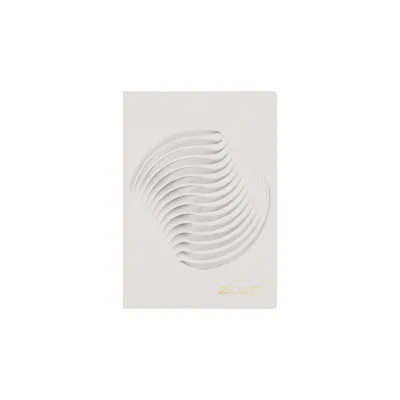
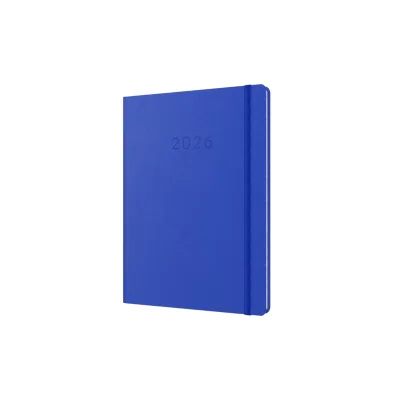
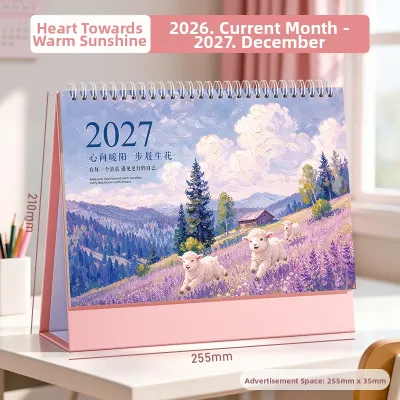
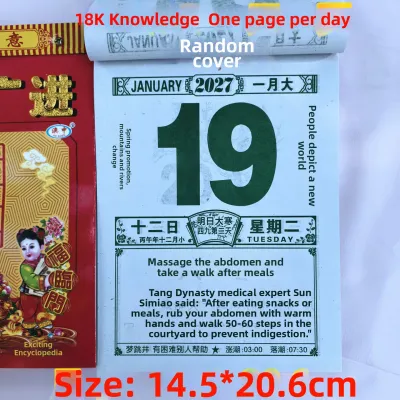
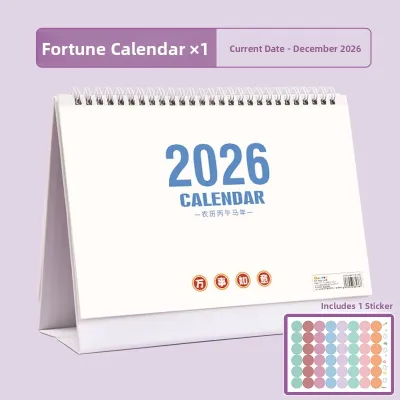
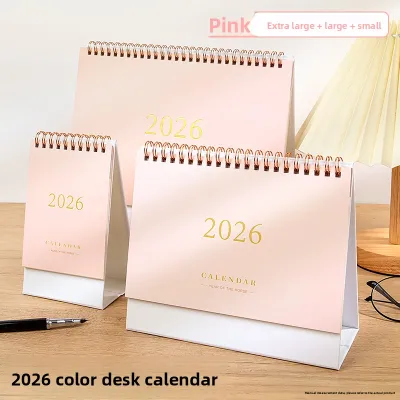
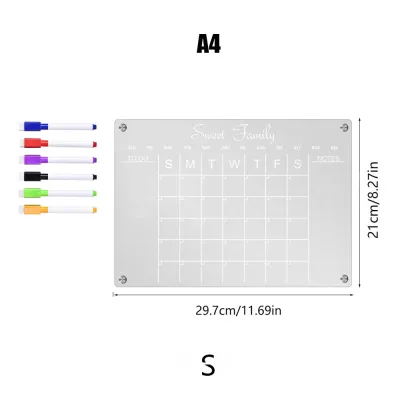
Prices are valid at publication and may change. Please refer to the product page for the latest price.
Your planning style also dictates the layout structure. Time-blocking involves assigning specific hours of the day to dedicated tasks, requiring a structured vertical timeline. Task-listing is more flexible, focusing on prioritizing to-do lists regardless of the hour. Freeform reflection or journaling requires unlined or lightly structured spaces where thoughts, sketches, and memories can flow without rigid boundaries.
Many modern professionals in Singapore use a hybrid system that combines digital calendars with analog planners. Digital tools are unmatched for shared meeting invites, instant notifications, and recurring reminders. Meanwhile, a physical planner excels at deep work preparation, daily goal setting, and screen-free reflection. If you use a hybrid system, look for a compact planner that focuses purely on daily priorities and weekly overviews, leaving the minute-by-minute scheduling to your digital calendar.
Essential Specifications to Check Before Purchasing
Before committing to a specific planner brand, evaluating physical specifications ensures the paper and construction can withstand daily use. The weight of paper is measured in grams per square meter (GSM). Standard office paper is typically around 70 to 80 GSM, which is prone to ink feathering and ghosting when using gel pens, rollerballs, or fountain pens. For a clean writing experience, look for planners featuring paper weights of 80 GSM to 120 GSM. High-quality paper often features specialized coatings that resist ink absorption, allowing the ink to dry on the surface for sharper lines, though this can slightly increase drying times.

Binding is another critical factor for usability. A planner that does not lie completely flat when open can be frustrating to write in, especially near the margins. Thread-bound or stitched bindings are highly durable and allow the book to open flat, providing a seamless surface across two-page spreads. Spiral or wire-bound planners also lie flat and allow you to fold the book back on itself to save desk space, though the metal or plastic coils can sometimes interfere with your hand while writing. Disc-bound and ring-bound systems offer maximum flexibility, allowing you to insert, remove, and rearrange pages as needed, though they tend to be bulkier.
Size standards dictate both portability and writing area. The most common sizes are A5 (148mm x 210mm) and B6 (125mm x 176mm). An A5 planner offers a generous writing canvas, making it ideal for desk-bound professionals, students, or those with detailed daily schedules. A B6 planner is slightly more compact, offering a balanced middle ground that fits easily into most daily bags and backpacks without sacrificing too much writing space. Pocket sizes or personal sizes (around A6) are highly portable but require small, precise handwriting and offer limited space for complex layouts.
Matching Brands to Minimalist and Time-Blocking Styles
For individuals who thrive on structure, efficiency, and clean aesthetics, minimalist and time-blocking planners are the ideal choice. These planners prioritize functional layouts with clean typography, generous white space, and minimal decorative elements. When evaluating brands that cater to this style, look for vertical weekly layouts that feature clear hourly or half-hourly increments, typically running from early morning to late evening. This structure allows you to visually map out your day, identify open time slots, and prevent over-commitment.
Minimalist planners are available in both dated and undated formats. Dated planners are highly structured, featuring pre-printed dates, week numbers, and national holidays, which saves setup time and provides immediate accountability. Undated planners, on the other hand, offer ultimate flexibility. If you have weeks where your schedule is light or you rely entirely on digital tools, you can skip pages without leaving blank, wasted sheets. This makes undated options highly cost-effective for seasonal planners or project-based workers.
A key characteristic of minimalist planning brands is the absence of pre-printed prompts, inspirational quotes, or decorative illustrations. Instead, they focus on high-quality paper, subtle grid lines, and clean margins. This lack of clutter maximizes the usable writing area, allowing you to customize your time-blocking system using simple color-coding with highlighters or fine-line pens. Look for brands that emphasize functional design, durable covers in neutral tones, and layouts that let your schedule remain the focal point of the page.
Matching Brands to Bullet Journaling and Modular Systems
Bullet journaling and modular planning systems appeal to those who want to design their own layouts or adapt their planner throughout the year. The foundation of a good bullet journal is a dot grid page. The dots provide a subtle guide for drawing straight lines, creating custom calendars, and aligning text, without being as restrictive or visually heavy as traditional graph paper or lined pages. When selecting a notebook for bullet journaling, look for brands that offer numbered pages, a built-in index section, and multiple ribbon bookmarks to help you navigate your custom layouts.
Modular systems, such as ring-bound organizers or disc-bound notebooks, offer a different kind of customization. Instead of being locked into a fixed book format, you can add, remove, and rearrange pages at will. This allows you to combine a monthly calendar, weekly vertical spreads, blank sketching pages, and budget trackers all within a single cover. If your planning needs change mid-year, you can simply swap out the inserts without purchasing an entirely new planner.
Because bullet journaling and modular planning often involve creative layouts, paper compatibility is paramount. These systems frequently utilize a variety of writing instruments, including fountain pens, highly pigmented gel pens, brush pens, and mild highlighters. To prevent ink from bleeding through to the other side of the page, prioritize brands that use premium, high-density paper. Look for specifications that mention bleed resistance and smooth paper textures, which prevent fine pen tips from catching on the paper fibers.
Matching Brands to Creative and Visual Journaling
Creative and visual journaling transforms planning into an artistic outlet and a form of memory keeping. For this style, the planner serves as a canvas for scrapbooking, sketching, watercolor painting, and sticker collages. Standard planner paper is rarely thick enough to handle these wet media and heavy adhesives without warping or tearing. Therefore, visual journalers should seek out brands that offer heavy-duty paper, often ranging from 120 GSM to 160 GSM, or specialized mixed-media paper designed to handle light washes of paint and glue.
In addition to paper weight, creative planners often feature aesthetic pre-printed elements, themed color schemes, and artistic layouts. Some brands collaborate with illustrators to offer beautifully designed monthly divider pages, whimsical borders, and inspiring quotes that set a creative tone for each month. These pre-printed designs provide a helpful starting point for those who want an artistic look without having to draw every element from scratch.
An integrated accessory ecosystem is another major draw for creative planning brands. Many manufacturers design matching sticker kits, themed washi tapes, stencils, and decorative inserts that fit perfectly within their planner layouts. This makes it easy to coordinate colors and styles across your weekly spreads. When choosing a brand for visual journaling, consider the availability of these coordinating accessories and whether the planner’s binding can expand to accommodate the added thickness of stickers, photos, and ephemera over the course of the year.
Purchasing Channels and Pre-Purchase Verification
When sourcing your calendar or planner in Singapore, choosing the right purchasing channel ensures you receive an authentic product in pristine condition. High-quality planners are investment pieces, and purchasing from official brand websites or authorized local stationery retailers guarantees authenticity. Premium planners in Singapore typically range from S$20 to S$70 depending on the size, binding, and paper quality. Many specialized stationery boutiques in Singapore offer physical displays where you can feel the paper texture, test the binding’s lay-flat capability, and view the true colors of the covers before buying.
If you prefer shopping online, reputable e-commerce platforms and official brand storefronts are excellent options. However, it is crucial to verify the product details carefully before checking out. Pay close attention to the calendar year listed in the product title and description. During transition periods late in the year, it is easy to accidentally purchase a past-year planner or a mid-year academic planner instead of a full-year calendar. If you are buying an undated planner, double-check that the product description explicitly states it is undated to avoid receiving a pre-dated book.
Finally, always review the retailer’s return and exchange policies, especially when purchasing online. Many premium planners are sold in sealed plastic wrap to protect the delicate paper and covers from moisture and dust. Retailers typically do not accept returns on planners once this protective seal has been broken, unless the item has a manufacturing defect. If you opt for personalization services, such as foil-stamping your name on the cover, keep in mind that these customized items are almost always non-refundable.
Frequently Asked Questions (FAQ)
How can I prevent ink from bleeding through my planner pages?
To prevent ink from bleeding through, check the manufacturer’s stated paper weight, aiming for at least 80 GSM to 100 GSM for standard pens, and 120 GSM or higher for wetter inks. Before writing extensively, perform a quick pen test on the back cover or a dedicated test page to observe how the paper handles your favorite writing instruments. Additionally, placing a thick blotter page or a sheet of cardstock directly behind the page you are writing on can absorb any excess ink and prevent it from marking the subsequent sheets.
Is it better to buy a dated or undated planner?
Choosing between a dated and undated planner depends on your consistency and need for structure. A dated planner is ideal if you require strict daily accountability, pre-structured weekly layouts, and integrated public holidays, as it provides a ready-to-use framework. An undated planner is better if your schedule fluctuates, allowing you to start planning at any point in the year and skip weeks when you are on holiday without wasting paper or feeling guilty about unused pages.
Community discussion
Share your experience or ask a question. Comments are reviewed before publication.