
Choosing the right planning tool is a highly personal decision that directly impacts your daily productivity, mental clarity, and peace of mind. MUJI’s minimalist calendar and planner lineup offers a range of formats designed to fit different lifestyles, from expansive wall-mounted grids to compact, pocket-sized notebooks. To choose the perfect format, you must balance your writing habits, the level of detail your schedule demands, and the physical space available in your home or office. By matching your specific planning style with the appropriate layout, you can create a seamless organizational system that keeps you on track without cluttering your environment.
The beauty of MUJI’s design philosophy lies in its simplicity, which strips away unnecessary distractions to focus on functional utility. However, this minimalist approach means that each format is highly specialized for a particular type of user. A wall calendar that works beautifully for a busy household might feel completely inadequate for a professional managing back-to-back client meetings. Conversely, a highly detailed weekly planner might become an overwhelming chore to maintain for someone who only needs to track a few major deadlines each month. Understanding the strengths and limitations of each format is key to making an informed decision.
Assessing Your Planning Style and Workspace
Before browsing the stationery aisles, take a moment to analyze how you naturally process information and manage your time. The first step is to distinguish between the need for high-level monthly tracking and detailed daily task management. If you find comfort in seeing the entire month laid out before you, allowing you to visualize the spacing between deadlines and events, a monthly-focused format is likely your best match. On the other hand, if your days are packed with hourly appointments, multi-step projects, and extensive to-do lists, you will require the granular structure of a weekly or daily layout to keep from feeling overwhelmed.
Products mentioned in this guide
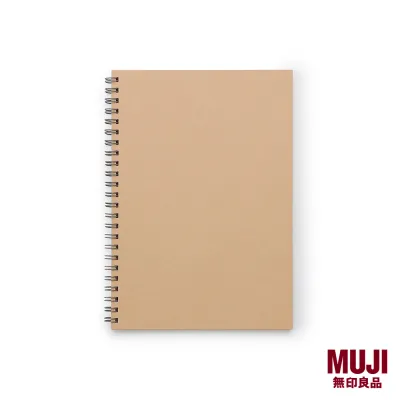
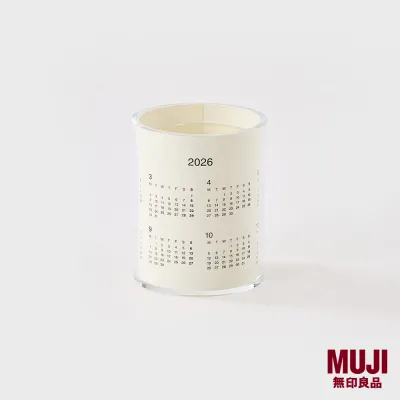
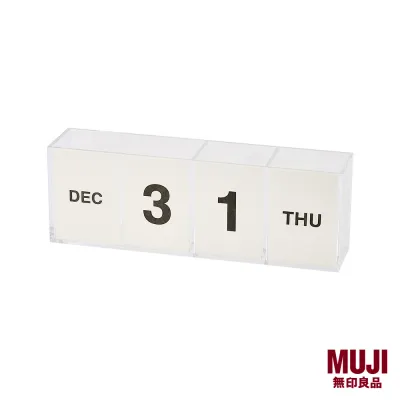
Prices are valid at publication and may change. Please refer to the product page for the latest price.
Next, evaluate your physical space constraints, comparing your available wall space against your actual desk footprint. In many modern homes and offices, desk space is highly contested. A large desk calendar might crowd your keyboard, mouse, and external monitors, leading to a cluttered workspace that hinders focus. If your desk is already packed, utilizing vertical wall space can be an excellent way to keep your schedule visible without sacrificing valuable surface area. Conversely, if you work in a shared office or hot-desking environment, a wall calendar is impractical, making a portable planner or a compact desk standee a much more sensible choice.
Finally, consider your portability requirements to determine if your calendar will remain stationary or be carried daily. A heavy, hardbound planner might offer ample writing space, but it can quickly become a physical burden if you are constantly commuting on public transport or moving between meeting rooms. If you need your schedule with you at all times, a lightweight, flexible notebook planner that slips easily into a laptop sleeve is essential. If your planning happens strictly at your desk, you can opt for a larger, more robust format that remains anchored to your workspace, serving as a reliable reference point throughout the day.
MUJI Wall Calendars: High-Level Tracking for Shared Spaces
MUJI wall calendars are designed for maximum visibility, making them the ideal choice for users who need broad monthly tracking and shared household or office coordination. These calendars feature large, clean grids with high-contrast typography, allowing you to read dates and notes from across a room. They excel at keeping everyone in a shared space aligned on major events, such as family holidays, school terms, project launch dates, or shared household chores. By serving as a single, centralized source of truth, a wall calendar helps eliminate communication gaps and scheduling conflicts before they arise.

Installing a wall calendar requires adequate, well-lit vertical space and appropriate, damage-free mounting methods. In many Singapore apartments, concrete walls are standard, which can make traditional nailing difficult and noisy. High-quality adhesive hooks or damage-free mounting strips are excellent alternatives, but you must ensure the wall surface is clean and dry before application. Position the calendar in a high-traffic area, such as near the entryway, kitchen, or main study area, where family members or team members naturally pass by throughout the day, ensuring it remains a constant, active reference point.
However, it is important to recognize the inherent limitations of the wall calendar format. The individual date grids are designed for brief, high-level notes rather than detailed daily task lists or sensitive personal information. Attempting to cram hourly schedules or long to-do lists into these squares will quickly result in a cluttered, illegible mess that defeats the calendar’s visual purpose. If you require space for confidential notes, detailed project steps, or personal reflections, the wall calendar should be paired with a personal notebook or digital tool rather than being relied upon as your sole planning instrument.
MUJI Desk Calendars: Daily Focus for Compact Workspaces
For professionals and students who spend the majority of their day at a desk, a desk calendar offers a highly effective way to keep immediate deadlines and daily appointments directly in their line of sight. Unlike digital calendars that can easily be buried under open browser tabs and software windows, a physical desk calendar remains constantly visible. This ambient awareness helps you stay anchored to your daily goals, preventing you from losing track of time during deep work sessions or getting distracted by digital notifications.
When selecting a desk calendar, carefully evaluate its physical footprint and base stability to ensure it fits comfortably on your desk. A good desk calendar should feature a sturdy, collapsible triangular base that stands firmly on your desk without sliding when you write on it. Look for a slim profile that can sit neatly beneath your monitor or alongside your keyboard without obstructing your workspace. If you share a desk or have a compact setup, a smaller, vertical-format desk calendar can provide the necessary date reference while occupying minimal surface area.
Additionally, pay close attention to the binding and page-turning mechanisms of the desk calendar. Double-ring wire binding is highly recommended, as it allows the pages to turn smoothly and lay completely flat without curling or tearing. This structural integrity is crucial for a product that you will interact with daily for an entire year. The binding should feel rigid and secure, ensuring that the calendar does not sag or lose its shape over time, even in humid environments where paper can naturally soften and lose some of its stiffness.
MUJI Monthly Planners: Flexible Scheduling for Personal Use
MUJI monthly planners are designed for individuals who prefer a highly flexible, customizable approach to scheduling in a portable, notebook-style format. These planners typically feature a series of clean, two-page monthly spreads followed by a generous section of blank, grid, or ruled pages. This layout is perfect for those who want to keep track of major appointments and deadlines on the monthly grid while using the remaining pages for free-form notes, creative mind maps, project brainstorming, or daily habit tracking.
The binding type of a monthly planner is a critical factor in determining its overall usability and comfort. Look for thread-stitched or flat-binding designs that allow the planner to open completely flat on your desk. A planner that lays flat makes writing near the center margin effortless and prevents the pages from constantly springing shut while you are trying to reference your schedule. This flat-laying capability also ensures the structural integrity of the spine, preventing pages from detaching after months of frequent opening and closing.
Paper compatibility is another essential consideration, particularly if you have a preferred writing instrument. MUJI planners are celebrated for their smooth, high-quality paper, but different editions may use varying paper weights and materials. Before purchasing, check the product label for paper specifications and consider performing a quick test if possible. You want to ensure the paper can handle your preferred gel pens, ballpoints, or highlighters without experiencing distracting ink bleed, feathering, or heavy show-through on the reverse side of the page, which can ruin the clean aesthetic of your planner.
MUJI Weekly Planners: Detailed Task Management and Journaling
For heavy task managers, students, and busy professionals, MUJI weekly planners provide the granular structure needed to manage complex daily schedules and extensive to-do lists. These planners typically feature a weekly view across a two-page spread, allowing you to see your entire week at a glance while providing dedicated space for daily time-blocking, hourly appointments, and detailed task lists. This format is highly effective for breaking down large projects into manageable daily steps and ensuring that no critical deadlines slip through the cracks.
When choosing a weekly planner, evaluate the balance of the layout to ensure it aligns with your planning style. Some weekly layouts feature a structured vertical column for each day, which is ideal for precise time-blocking and scheduling hourly meetings. Other layouts offer a horizontal format with a weekly grid on the left page and a blank grid or ruled page on the right. This horizontal-plus-notes layout is highly versatile, providing a structured space for appointments alongside ample room for free-form journaling, weekly reflections, or running task lists.
You must also consider the overall weight, thickness, and bulk of the weekly planner if you plan to carry it in your bag every day. Because weekly planners contain significantly more pages than monthly planners, they are naturally heavier and occupy more physical space. If you commute daily or travel frequently, a bulky planner can add unnecessary weight to your bag. Carefully weigh the benefits of a highly detailed weekly layout against the practical convenience of a slimmer, lighter format to find the right balance for your daily routine.
Format Comparison: Space, Layout, and Planning Depth
To help you synthesize these options and make a confident decision, let us compare the four primary MUJI calendar and planner formats across key practical dimensions. The ideal format depends on where you plan to use it, how often you need to transport it, and the level of detail you need to record.
| Format | Physical Footprint | Portability | Writing Capacity | Primary Planning Depth |
|---|---|---|---|---|
| Wall Calendar | Large vertical wall space | None (Stationary) | Low (Brief notes only) | High-level monthly overview |
| Desk Calendar | Medium desk surface | Low (Desk-bound) | Medium (Daily appointments) | Daily reference & short-term goals |
| Monthly Planner | Compact notebook size | High (Very lightweight) | Medium-High (Notes & grids) | Flexible monthly tracking & notes |
| Weekly Planner | Medium notebook size | Medium (Slightly bulky) | High (Hourly grids & lists) | Granular daily task management |
To further guide your choice, consider how these formats align with specific user profiles and spatial constraints:
| User Profile | Spatial Constraints | Recommended MUJI Format |
|---|---|---|
| Busy Family / Shared Office | Limited desk space, ample wall space | Wall Calendar (Centralized tracking) |
| Desk-Bound Professional | Compact desk, no wall space | Desk Calendar (Constant visual reference) |
| On-the-Go Creative / Student | Daily commute, hot-desking | Monthly Planner (Lightweight flexibility) |
| Project Manager / Heavy Planner | Dedicated study desk, daily carry | Weekly Planner (Granular time-blocking) |
Pre-Purchase Checks for MUJI Calendars and Planners
Before finalizing your purchase, performing a few essential physical and functional checks will help you avoid format mismatches and ensure your new calendar integrates seamlessly into your routine. First, always verify the exact dimensions, grid sizes, and page counts printed on the product label. A planner that looks compact on a spacious retail shelf can feel surprisingly large on a small home desk, so measuring your available workspace beforehand is highly recommended to ensure a perfect fit.
Next, pay close attention to the paper specifications and weight, especially if you plan to use wet inks, fountain pens, or heavy markers. In Singapore’s humid climate, paper can absorb ambient moisture from the air, which can slightly alter its texture and make it more susceptible to ink bleeding, feathering, or slower drying times. Checking the label for paper details and opting for formats that specify high-quality, bleed-resistant paper will help maintain clean, crisp writing throughout the year, regardless of seasonal humidity changes.
Finally, confirm the start month, language layout, and regional holiday inclusions of the calendar. MUJI products are designed for a global market, meaning some planners may follow a standard January start, while others align with academic or fiscal calendars starting in April. Additionally, check whether the calendar includes localized public holidays. Many standard MUJI planners feature international or Japanese holidays, meaning you will need to manually write in Singapore’s public holidays to ensure your scheduling remains accurate and compliant with local work and school cycles.
Frequently Asked Questions (FAQ)
Can I use fountain pens on MUJI calendar paper without bleeding?
Whether you can use a fountain pen on MUJI calendar paper without experiencing bleeding or feathering depends heavily on the specific paper weight and coating details printed on the product label. While MUJI’s high-quality paper is generally smooth and pleasant to write on, some thinner planner editions may experience show-through or minor bleeding when paired with very wet inks or broad nibs. To ensure compatibility, always check the packaging for paper specifications before purchasing. It is highly recommended to perform a small test with your preferred pen and ink combination on a corner of a back page or an unused notes section first. Additionally, keep in mind that Singapore’s high environmental humidity can extend ink drying times, so allowing extra time for the ink to dry completely will help prevent accidental smudging.
Do MUJI planners include public holidays for Singapore?
Most standard MUJI planners and calendars are designed for a global audience and typically feature Japanese public holidays or a minimal international layout without regional holidays. Therefore, they generally do not include Singapore-specific public holidays pre-printed on the calendar grids. To avoid scheduling errors or missing important local holidays, you should verify the regional edition and check the reference pages at the back of the planner before purchasing. If you choose a standard international edition, plan to spend a few minutes at the beginning of the year manually entering Singapore’s public holidays—such as National Day, Chinese New Year, Hari Raya, and Deepavali—into your calendar to ensure your scheduling remains completely accurate.
How do I prevent the pages of my desk calendar from curling?
Paper curling is a common issue in humid environments, as paper fibers naturally absorb moisture from the surrounding air, causing them to expand and warp. To keep the pages of your MUJI desk calendar flat and pristine, try to position it away from direct sunlight, active air conditioning vents, and high-moisture areas such as open windows or humidifiers. Drastic temperature changes and direct drafts can accelerate paper warping and weaken the adhesive or binding. When turning the pages, handle them gently from the corners rather than pulling from the center, and avoid forcing the binding beyond its natural limit. Maintaining a stable indoor environment and handling your calendar with care will help preserve its structural integrity and keep it looking neat throughout the entire year.

Community discussion
Share your experience or ask a question. Comments are reviewed before publication.