
To execute a successful and damage-free relocation, selecting the correct box for moving is just as important as how you pack it. The fundamental rule of packing is to match the weight density of your belongings to the volume of the container. Heavy, dense items require smaller boxes to keep the total weight manageable and prevent the bottom of the carton from giving way. Conversely, lightweight, bulky items should be allocated to larger boxes that maximize space without exceeding safe lifting limits. By understanding the structural capabilities of different carton sizes, you can protect your household goods, streamline the loading process, and avoid physical strain during transit.
Standard Moving Box Categories and Their Best Uses
Moving cartons are generally categorized into small, medium, large, and extra-large sizes, alongside specialized wardrobe boxes. A standard small box typically measures around 40 x 30 x 30 centimeters and is designed for high-density items. Medium boxes, often measuring roughly 50 x 40 x 35 centimeters, serve as the versatile workhorses of a move, accommodating a wide variety of household goods. Large and extra-large boxes expand the volume significantly, making them ideal for lightweight, space-consuming items.
Before purchasing any box for moving, always verify the manufacturer’s stated internal dimensions and maximum weight capacity, which are often printed on the bottom flap. Additionally, pay close attention to the corrugated flute structure of the cardboard. Single-wall boxes (typically utilizing B-flute or C-flute) are lightweight and suitable for standard, non-fragile items. For heavier loads or fragile items requiring stacking strength, opt for double-wall corrugated boxes (such as BC-flute), which feature two layers of arch-shaped fluting to resist crushing and punctures under pressure.
Products mentioned in this guide
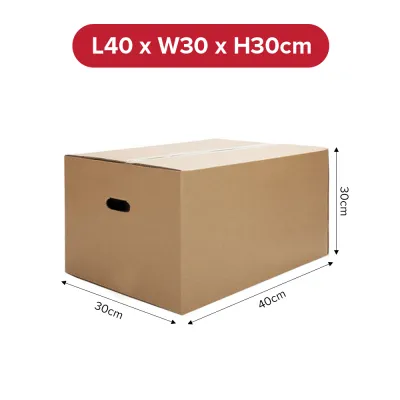
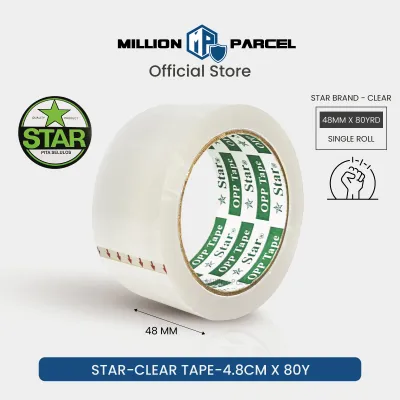
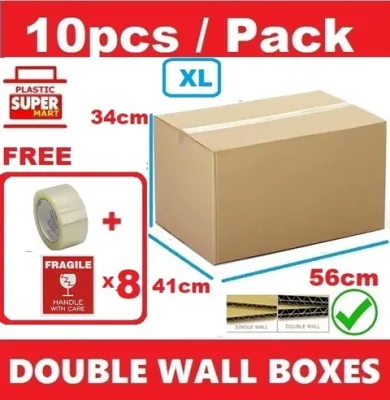
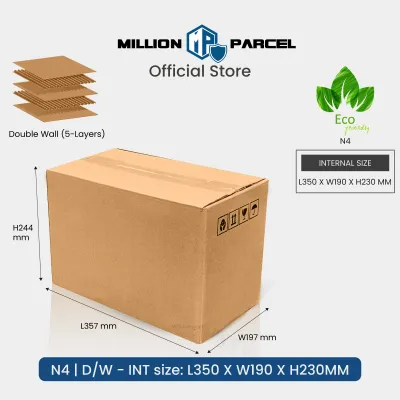
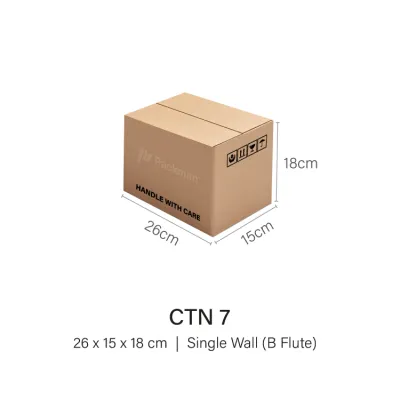
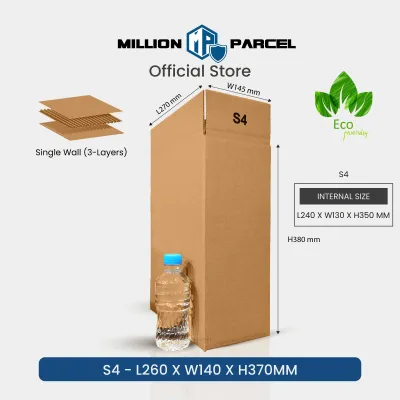
Prices are valid at publication and may change. Please refer to the product page for the latest price.
Packing Heavy and Dense Items in Small Boxes
Dense household items can quickly accumulate weight, making them difficult to carry and prone to breaking through standard cardboard. Items such as books, vinyl records, hand tools, heavy hardware, and canned kitchen goods should always be packed into small boxes. Attempting to pack these items into larger containers creates a heavy, unstable load that poses a high risk of injury to anyone lifting it and increases the likelihood of the box collapsing.

Ergonomically, keeping heavy items in small volumes ensures that the center of gravity remains close to your body when lifting. To prepare a small box for a heavy load, perform a quick structural check of the seams. Use high-quality packaging tape to reinforce the bottom of the carton. Apply tape using the “H-taping” method: seal the center seam first, extending the tape at least 10 centimeters up the sides of the box, and then seal the two exposed side edges. This distribution of tension prevents the flaps from splitting open under the downward pressure of heavy books or tools.
Using Medium and Large Boxes for Bulky and Fragile Goods
Medium and large boxes are designed to hold items that require more physical space but have a lower weight density. Medium boxes are highly suited for packing mixed kitchenware, pots and pans, shoes, folded clothing, and small household appliances like blenders or coffee makers. Because these items vary in shape, they leave natural gaps that can be filled with packing paper or bubble wrap to prevent shifting during transit.
Large boxes should be reserved almost exclusively for lightweight, bulky items. Bedding, pillows, comforters, winter coats, cushions, and plush toys are perfect candidates for these high-volume containers. When packing large boxes, a common oversight is leaving empty space at the top or sides. Unfilled voids allow the cardboard to compress when other boxes are stacked on top of it in the moving truck, leading to collapsed stacks and damaged goods. Always fill any remaining empty spaces with crumpled packing paper, clean towels, or linens to maintain the structural integrity of the box.
When to Invest in Specialty and Wardrobe Cartons
Specialty cartons are engineered for specific household items that do not fit well or safely into standard rectangular boxes. Wardrobe boxes, which feature a built-in metal hanger bar, allow you to transfer hanging clothes directly from your closet without removing them from their hangers. This specialty option is highly beneficial for delicate garments, suits, formal wear, and heavy coats, saving significant time on packing and eliminating the need for extensive re-ironing at your destination.
If wardrobe boxes exceed your moving budget or space limits in the moving vehicle, alternative space-saving methods can protect your clothing. You can group hanging clothes together and pull a heavy-duty drawstring trash bag upward from the bottom, tying the drawstrings around the hanger hooks. Alternatively, rolling clothes tightly and packing them into standard travel suitcases or using vacuum storage bags can compress bulky garments to fit into standard medium boxes. For other specialized items, consider double-walled dish-pack boxes with cardboard dividers for glassware, or telescoping picture boxes to protect framed artwork and mirrors from impact.
Estimating the Right Mix of Box Sizes for Your Move
Determining how many boxes of each size to purchase requires a systematic, room-by-room inventory. Walk through your home and categorize your belongings by density rather than just location. For instance, a study filled with books will require a high concentration of small boxes, whereas a bedroom with extensive bedding and pillows will demand more large containers.
For an average household, a reliable baseline ratio is to purchase approximately three small boxes and two medium boxes for every one large box. Small and medium boxes are the most versatile and frequently used sizes during any relocation. It is always wise to purchase a slight surplus of these two sizes. Having extra small and medium cartons on hand prevents the temptation to overpack larger boxes when you run out of space, ensuring that your packing process remains safe and organized from start to finish.
Common Box Sizing and Loading Mistakes
One of the most frequent errors during a move is overloading large boxes with heavy items. Packing a large box full of books or heavy kitchenware makes the container nearly impossible to lift safely and almost guarantees that the bottom seams will fail. Always test the weight of a box as you pack it, and transition to lighter items or a smaller box if it begins to feel unmanageable.
Another common mistake is under-filling boxes, particularly large ones. A box that is only half-full lacks internal support, making it highly susceptible to collapsing when stacked under heavier boxes in a moving vehicle. Finally, before sealing and stacking your packed cartons, verify that their physical dimensions can easily pass through your current and new doorways, narrow hallways, and elevators. This is especially critical when moving into high-rise apartments or condominiums where lift clearance and tight corridor corners can restrict the movement of oversized or awkwardly shaped specialty boxes.
Frequently Asked Questions (FAQ)
Can I use grocery or supermarket boxes for moving?
While sourcing free boxes from supermarkets or grocery stores is a common budget-saving tactic, it carries distinct risks. Reused boxes often have an unknown weight history and may have suffered structural fatigue from moisture, handling, or heavy loads, making them prone to tearing. Additionally, hygiene is a significant concern; boxes that once held fresh produce or food items can harbor moisture, odors, or pests, which can transfer to your clean kitchenware, linens, and clothing. For valuable or fragile items, investing in new, clean, and structurally sound moving boxes is highly recommended.
How do I know if a moving box is too heavy to lift safely?
To determine if a packed box is too heavy, perform a simple physical lift test before sealing it with tape. Stand close to the box, bend your knees, and attempt to lift it slightly off the floor using your leg muscles rather than your back. If you feel significant strain, or if the cardboard sides of the box begin to bow outward or buckle under the weight, the box is overloaded. Immediately open the carton and redistribute the heavier items into smaller boxes, filling the remaining space in the original box with lightweight packing materials.

Community discussion
Share your experience or ask a question. Comments are reviewed before publication.