
Selecting the right boxes for moving is critical for a smooth transition. Rather than simply fitting as much as possible into a single container, successful packing relies on matching the weight and fragility of your items to the structural limits of the box. Using the wrong size can lead to damaged belongings, split seams, or boxes that are too heavy to lift safely.
Standard moving boxes are categorized into small, medium, large, and specialty sizes. Each category serves a distinct purpose, balancing volume with load-bearing capacity. By understanding these standard dimensions and learning how to distribute weight effectively, you can protect your possessions and make the loading process significantly more manageable.
Understanding Standard Moving Box Dimensions
While you might expect all moving boxes to follow identical measurements, exact dimensions vary by supplier. Generally, small boxes hover around 1.5 cubic feet, medium boxes range from 3.0 to 3.5 cubic feet, and large boxes typically offer 4.5 cubic feet or more of space. Because these sizes are not universally standardized, you should always check the manufacturer’s printed specifications or product labels for exact dimensions and load limits before purchasing.
Products mentioned in this guide
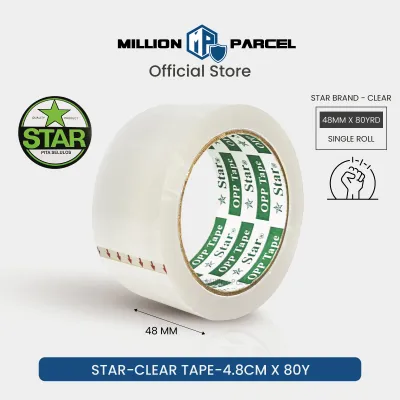
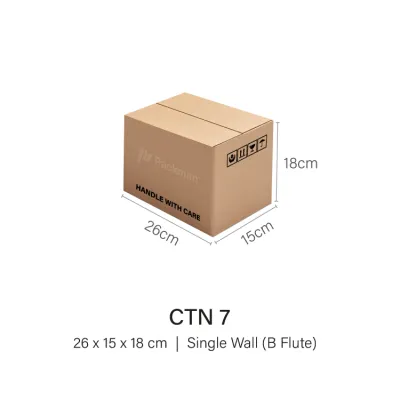
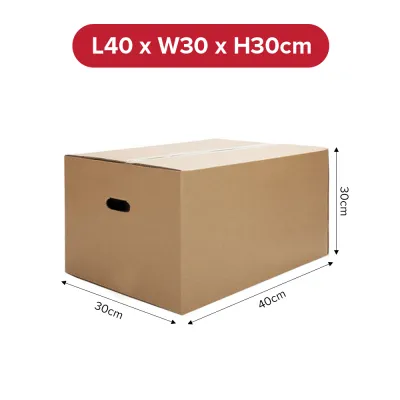
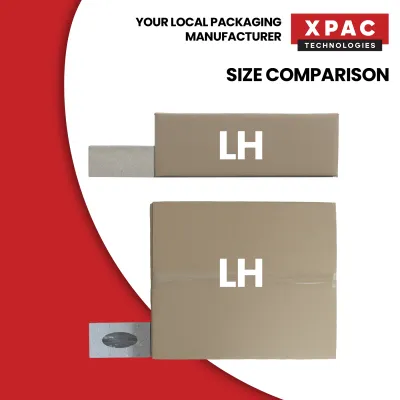
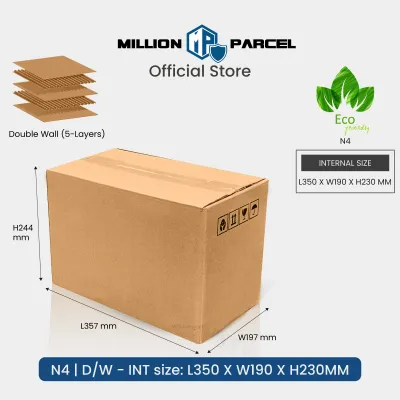
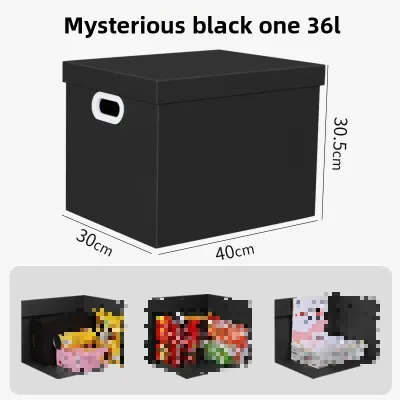
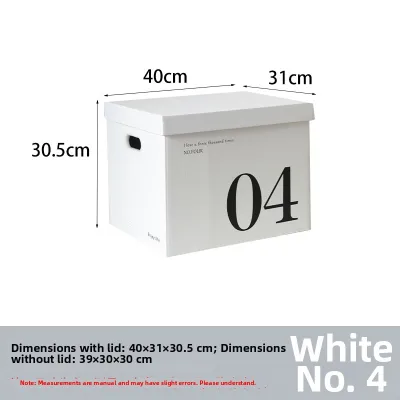
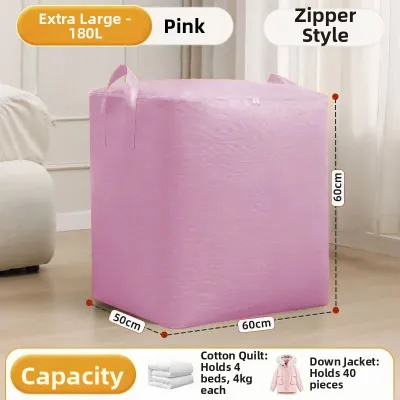
Prices are valid at publication and may change. Please refer to the product page for the latest price.
The relationship between a box’s volume and its weight capacity is a crucial safety factor. As a box increases in size, its volume grows much faster than its structural strength. If you fill a large box with dense, heavy items, the bottom flaps are highly likely to fail during lifting. To prevent this, larger boxes must be reserved for lighter items, while smaller boxes should carry your heaviest belongings.
Matching Box Sizes to Your Household Items
The golden rule of packing is simple: heavy items go in small boxes, while lightweight, bulky items belong in large boxes. This principle keeps individual boxes at a manageable weight for lifting and prevents the cardboard from buckling under pressure.

Before you begin taping boxes, sort and group your belongings by weight, size, and fragility. Creating distinct piles for books, kitchenware, linens, and delicate decor allows you to pack systematically. This preparation ensures you do not accidentally mix heavy tools with fragile glassware, protecting both your items and the structural integrity of your packaging.
Small Boxes for Heavy and Fragile Items
Small boxes are the workhorses for your densest and heaviest possessions. Items such as books, hand tools, canned pantry goods, vinyl records, and small electronics should always be packed into these compact containers. Keeping these items in smaller volumes ensures the overall weight remains safe for a single person to lift and carry.
These smaller dimensions are also ideal for fragile items that require minimal shifting. When packing delicate pieces, use generous amounts of crumpled packing paper, bubble wrap, or foam inserts to fill any remaining empty space. Securing these items tightly within a small box prevents them from shifting and colliding during transit.
Medium Boxes for Everyday Household Goods
Medium boxes offer the greatest versatility and will likely make up the bulk of your packing inventory. They are perfectly suited for standard-weight household goods that are too bulky for small boxes but too heavy for large ones. Typical items for this size include shoes, children’s toys, pots and pans, folded clothing, and bathroom essentials.
When packing a medium box, maintain a balanced weight distribution. Place heavier items at the bottom of the box and lighter items on top to keep the center of gravity low. Always fill any remaining voids with packing paper, towels, or bubble wrap to prevent the contents from shifting and to keep the box from collapsing when stacked.
Large Boxes for Bulky, Lightweight Items
Large boxes are designed specifically for high-volume, lightweight items that would otherwise take up too much space. Excellent candidates for these containers include pillows, blankets, comforters, bath towels, winter coats, and lightweight plastic decor. Because these items have low density, they can fill a large volume without making the box dangerously heavy.
Using large boxes for heavy items is a common mistake that often leads to structural failure and physical strain. If you must pack slightly heavier items in a large box, reinforce the bottom flaps. Apply heavy-duty packing tape in an “H” pattern across the center seam and the side edges to distribute the load more securely.
Specialty Cartons for Unique or High-Value Items
Standard rectangular boxes are not always sufficient for every item in your home, which is where specialty cartons become essential. Wardrobe boxes, for example, feature a built-in metal hanging bar that allows you to transfer clothes directly from your closet without folding them. For fragile kitchenware, dish pack boxes utilize double-walled cardboard and customizable cardboard dividers to cushion plates, bowls, and glassware individually.
Other specialty options include flat picture and mirror boxes, which slide together to fit framed artwork, and custom crates for highly valuable or oddly shaped items. Before purchasing these specialized containers, verify their specific load-bearing specifications and material thickness with your supplier. Ensuring the carton is rated for the specific weight and shape of your item is key to preventing damage.
How to Estimate the Total Number of Boxes You Need
Estimating the exact number of boxes for moving can be challenging, but a room-by-room inventory approach provides a reliable starting point. Walk through each room and count the items stored in cabinets, shelves, and closets. This visual assessment helps you gauge the total volume of your belongings and determine which size categories will dominate your packing process.
As a general guideline, a typical move relies most heavily on medium boxes, supplemented by a moderate number of small boxes for heavy items and a smaller selection of large and specialty boxes. However, your actual needs will depend on your household size, lifestyle, and how long you have lived in your current home. A minimalist apartment will require far fewer boxes than a fully furnished family home with years of accumulated items.
To avoid mid-packing delays, purchase a small buffer of extra boxes beyond your initial estimate. Before buying, check the supplier’s return policy regarding unused, unflattened cartons. Many retailers and moving supply companies will refund you for any leftover boxes that remain in pristine, unassembled condition, allowing you to over-prepare without wasting money.
Frequently Asked Questions (FAQ)
Can I use reused or free grocery boxes for moving?
While sourcing free or reused grocery boxes can save money, it introduces several risks to your belongings. Used boxes often suffer from hidden wear, weakened corners, and compromised structural integrity from previous shipping cycles. Additionally, boxes sourced from grocery stores or food service environments can carry moisture, food residues, or potential pest contamination.
If you decide to use second-hand boxes, inspect each one thoroughly before packing. Check that the cardboard remains stiff and dry, the interior is completely clean, and the bottom flaps are fully intact without deep creases or tears. Avoid using any box that feels soft, damp, or shows signs of structural fatigue, especially for items of value.
What is the difference between single-wall and double-wall boxes?
The primary difference lies in the layers of corrugated cardboard used to construct the box. Single-wall boxes feature a single layer of fluted cardboard sandwiched between two flat linerboards, making them lightweight and suitable for standard household items. Double-wall boxes add a second layer of fluting and an extra linerboard, providing significantly higher resistance to crushing and puncture.
Double-wall boxes are highly recommended for heavy items, extremely fragile valuables, or goods destined for long-term storage where boxes will stack for extended periods. To verify the strength of any box, look for the circular manufacturer’s certificate printed on the bottom flaps. This stamp displays the Edge Crush Test (ECT) or burst test rating, which indicates the box’s ability to withstand vertical stacking pressure and external force.
Community discussion
Share your experience or ask a question. Comments are reviewed before publication.