
Selecting the ideal Jieso art starter kit requires aligning the set’s contents with your specific creative goals. If you want to paint bold, opaque layers that dry quickly and adhere to multiple surfaces, the Jieso acrylic set is your best option. For those who prefer delicate, transparent washes and fluid blending, the Jieso watercolor set is the appropriate choice. If your focus is on precise illustrations, comic art, or graphic design with smooth, streak-free gradients, the Jieso dual-tip marker set is the correct tool.
Beginning your art journey with a medium-specific kit is far more effective than purchasing a generic, all-in-one art case. Universal kits often prioritize quantity over quality, bundling subpar crayons, oil pastels, and thin watercolors that fail to perform. A dedicated Jieso set ensures that the included tools—whether they are high-viscosity paints, absorbent papers, or specialized brushes—are chemically and physically engineered to work together, saving you from early frustration.
How to Match a Jieso Starter Kit to Your Preferred Medium
To choose the right starter kit, you must first understand how different art mediums behave on a physical level. Acrylic paints utilize a synthetic polymer emulsion binder that dries into a flexible, water-resistant plastic film. Watercolors rely on a water-soluble binder, typically gum arabic, which allows the paint to be reactivated with water even after it has dried completely on the page. Markers use fluid dye- or pigment-based inks dissolved in an alcohol or water solvent, which saturate paper fibers directly to create vibrant, flat fields of color.
Products mentioned in this guide
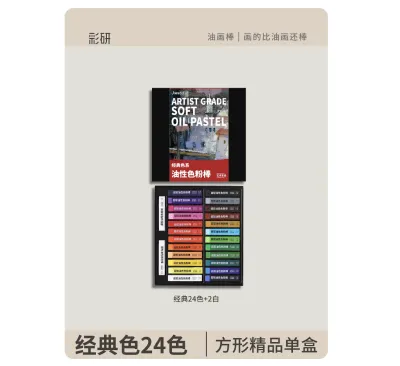
Prices are valid at publication and may change. Please refer to the product page for the latest price.
These chemical differences dictate the type of paper and brushes required for a successful painting session. Acrylics are heavy and wet, requiring thick, sturdy surfaces that can support weight without tearing. Watercolors demand highly absorbent, sized paper that can handle large pools of water without buckling or pilling. Markers require ultra-smooth, dense paper that allows the ink to sit on the surface long enough to blend before drying, preventing the ink from bleeding through to the next page.
Brush mechanics also vary significantly across these mediums. Acrylic brushes require stiff, resilient synthetic bristles that can push heavy, viscous paint across a textured canvas. Watercolor brushes, conversely, need soft, high-capacity fibers that hold a large volume of water and spring back to a fine, sharp point. Using the wrong brush for a medium—such as a soft watercolor brush for heavy acrylic paint—will quickly ruin the bristles and hinder your control.
When browsing Jieso kits on online marketplaces, you must look past the advertised piece count. Many budget-friendly sets claim to feature over one hundred pieces, but a closer inspection often reveals that the bulk of the count consists of cheap plastic paperclips, cotton swabs, or miniature mixing cups. To get the best value for your budget, focus on the volume of the actual paints, the quality of the brushes, and the specifications of the included paper.
Jieso Beginner Sets for Acrylics: Essential Features and Selection
Acrylic painting is highly forgiving for beginners because it dries rapidly and allows you to paint over mistakes easily. When selecting a Jieso acrylic starter kit, verifying the quality and volume of the core components is essential to avoid running out of materials mid-project.

Essential Components in an Acrylic Kit
A functional Jieso acrylic kit should feature a balanced palette of primary colors along with titanium white and carbon black. This basic color selection is vital for learning color theory, as it allows you to mix almost any shade you need. Look for kits that provide paints in tubes rather than small plastic pots, as tubes seal more effectively and prevent the acrylic binder from drying out prematurely.
The kit should also include synthetic brushes specifically designed for acrylic use. Look for a set that includes at least three basic shapes: a flat brush for blocking in large areas and painting sharp edges, a round brush for sketching and detail work, and a filbert brush for soft blending and organic shapes.
Finally, the kit must provide a suitable painting surface. Standard drawing paper will warp and tear under the weight of wet acrylic paint. Ensure the set includes either canvas boards, stretched canvases, or heavyweight mixed-media paper with a minimum weight of 250gsm (grams per square meter). A mixing palette, whether plastic or wooden, is also necessary to blend your colors before applying them to the surface.
Evaluating Jieso Acrylic Options
When evaluating a Jieso acrylic set, pay close attention to the volume of paint provided. For beginners, tubes containing 12ml to 22ml of paint are standard and provide enough volume for several medium-sized paintings. Avoid sets that offer tiny 2ml or 5ml pots, as these are typically single-use and prone to drying out within days of opening.
Student-grade acrylics, which are standard in beginner kits, naturally contain a higher proportion of binders and fillers relative to pure pigment. This composition means the paint may appear slightly translucent when applied. To test the opacity of your Jieso acrylics, paint a thick black line on a scrap piece of paper, let it dry, and then paint your colors directly over it. Highly opaque colors will cover the black line completely, while more transparent shades will let the black show through, indicating that you will need to apply multiple coats for solid coverage.
In Singapore’s warm and humid climate, acrylic paint can dry exceptionally fast on an open palette, sometimes skinning over in less than ten minutes. To prevent paint waste, check if the Jieso kit includes a stay-wet palette or a palette with a sealing lid. If it does not, you can easily create a DIY version by placing a damp paper towel at the bottom of a plastic container and covering it with a sheet of baking paper to keep your paints usable for hours.
Jieso Starter Kits for Watercolors: Key Features and Selection
Watercolor painting relies on transparency, water control, and the natural texture of the paper. A proper Jieso watercolor kit must provide tools that allow you to manage wet washes without the paper disintegrating.
Must-Have Watercolor Supplies
Watercolor paints are typically offered in two formats: dry pans (half-pans or full pans) or wet tubes. For beginners, pan sets are highly recommended because they are compact, portable, and easy to organize. You simply wet your brush and lift the color directly from the dry cake. Tube watercolors are excellent for mixing large, rich washes of color but can be messy for a novice to manage.
Paper is the single most important component of any watercolor setup. A beginner watercolor kit must include paper that is at least 300gsm in weight. Watercolor paper should also be “sized”—treated with a starch-like substance either internally or on the surface—to control how quickly the water absorbs. Without proper sizing, the paint will sink instantly into the paper fibers, making it impossible to blend or lift color.
Your watercolor brushes must have excellent water retention and a reliable “spring” or “snap.” A round synthetic squirrel or soft nylon brush in size 6 or 8 is the ideal workhorse for watercolor, as it can hold a large amount of water for washes while maintaining a sharp point for fine details.
Assessing Jieso Watercolor Sets
Before purchasing a Jieso watercolor set, verify the specifications of the included paper pad. Many budget-friendly kits bundle standard sketchpads labeled as “watercolor paper” that are actually under 200gsm. If you attempt to paint on thin paper, it will buckle, warp, and pill, causing the paint to pool in the hollows and ruining your washes. Look for a kit that explicitly states it includes 300gsm cold-pressed paper.
You can perform a simple water-drop test to verify the quality of the paper sizing once your kit arrives. Place a single drop of water onto the paper. If the water beads up on the surface for a few seconds before slowly absorbing, the paper is well-sized. If the water sinks in instantly and spreads out like a paper towel, the paper lacks proper sizing and will be difficult to work with.
Check the quality of the included brushes by performing a shedding test. Wet the brush and gently pull the bristles between your fingers. If the brush sheds hairs easily, it is poorly constructed and will leave annoying fibers embedded in your dry paintings. Additionally, look for kits that include practical extras such as a water brush pen (a brush with a refillable water reservoir in the handle) for outdoor sketching, a small natural sponge for lifting excess water, and a mixing palette with deep, isolated wells to keep your colors from bleeding into one another.
Jieso Sets for Markers: Choosing the Right Tools for Illustration
Marker kits are excellent for graphic design, manga illustration, and journaling. However, the type of marker and the paper you use will drastically affect the smoothness of your coloring and the lifespan of your pens.
Core Marker and Sketching Tools
When choosing a Jieso marker kit, you must understand the difference between alcohol-based and water-based markers. Alcohol markers are the preferred choice for serious illustration because the ink evaporates rapidly, allowing you to layer and blend colors seamlessly without soaking or tearing the paper. Water-based markers are more akin to traditional felt-tip pens; they do not blend as smoothly and can easily cause standard paper to pill if you apply multiple layers, but they do not bleed through pages as easily.
Marker paper must be exceptionally smooth and non-porous. Specialized marker pads feature a coated backing that prevents the ink from bleeding through to the next page while allowing the pigment to sit on top of the paper, giving you time to blend colors before they dry. Using standard copy paper or a textured sketchbook will soak up massive amounts of ink, drying out your markers prematurely and causing the ink to feather outward in fuzzy lines.
An illustration kit should also include waterproof, pigment-based fine-liner pens for outlining. If you use a standard water-soluble pen for your line art, the alcohol ink from the markers will dissolve the outlines, causing the black ink to smear across your drawing.
Picking the Right Jieso Marker Kit
Evaluate the color selection of the Jieso marker set carefully. Many cheap starter kits feature highly saturated, neon-bright colors that are difficult to blend realistically. A high-quality beginner set should offer a balanced range of colors, including several warm and cool grays for shading, soft pastel tones for smooth transitions, and a selection of skin tones if you plan to draw characters.
Check the tip configuration of the markers. Most professional-style illustration markers are dual-tip, featuring a broad chisel tip on one end for filling large areas and either a fine bullet tip or a flexible brush tip on the other. Brush tips are highly favored because they mimic the feel of a paintbrush, allowing for expressive line variation and superior blending, though they require gentle handling to prevent the tips from fraying.
To ensure your markers are in good working order upon arrival, perform a quick drying and bleeding test on your marker paper. Draw a solid block of color to check for consistent ink flow and smoothness. If the marker skips or leaves scratchy lines, the ink level may be low.
Always use the included blank swatch card to create a physical color reference. The plastic caps on markers often differ slightly from the actual ink color on paper, so swatching your markers is the only way to guarantee color accuracy during a drawing session.
Final Verification Checklist Before Buying Art Sets Online
To ensure you get the best value and avoid disappointment when buying a Jieso art set from online marketplaces, use this practical verification checklist before checking out:
- Core Item Count: Ignore the marketing headlines claiming "100+ pieces." Read the detailed product description and count only the essential items: the number of paint tubes, markers, brushes, and sheets of paper. If the bulk of the piece count consists of plastic clips, pencil sharpeners, and cotton swabs, look for a more focused set.
- Paper Weight and Specifications: Ensure the included paper matches your medium. Watercolor sets must have at least 300gsm paper, acrylic sets need at least 250gsm, and marker sets should feature bleed-proof, coated marker paper. If the kit does not specify the paper weight, assume it is standard drawing paper and plan to purchase a separate, dedicated pad.
- Shipping and Packaging Protection: Art supplies are fragile. Acrylic tubes can burst under pressure, watercolor cakes can shatter, and paper pads or canvases can warp if bent in transit. Read recent customer reviews to see if the seller packages the kits in rigid cardboard boxes with bubble wrap, or if they ship them in flimsy plastic mailers that offer no protection.
- Review Filtering for Quality Issues: Filter the product reviews on the e-commerce platform using keywords like "dry," "broken," "shed," or "leaking." If you notice a pattern of customers receiving dried-out markers, split brush handles, or leaking paint tubes, it suggests poor quality control or improper storage in hot warehouses.
- Return and Refund Policies: Because art supplies are classified as consumables, some online sellers have strict return policies that exclude opened items. Verify that the seller offers a clear return or replacement policy for items that arrive defective or damaged, allowing you to get a replacement if a marker is dry or a paint tube is split upon arrival.
Frequently Asked Questions (FAQ)
Are Jieso beginner sets suitable for professional artists?
No, Jieso beginner sets are designed primarily for students, hobbyists, and those learning new techniques. They feature student-grade pigments, which contain a higher ratio of binders and fillers. While these sets are excellent for practice, sketching, and color mixing exercises, they lack the high lightfastness ratings and intense pigment density required for professional, archival, or gallery-commissioned artwork.
Can I use the brushes from a Jieso watercolor set for acrylics?
It is highly discouraged to use watercolor brushes for acrylic painting. Watercolor brushes are constructed with soft, delicate synthetic or natural fibers designed to hold water and maintain a fine point. Acrylic paint is thick, heavy, and contains acrylic polymer binders that dry into a tough, water-resistant plastic. Using watercolor brushes with acrylics will clog the delicate fibers, and the harsh cleaning required to remove the acrylic paint will permanently ruin their shape and spring.
Do marker sets include paper, or do I need to buy it separately?
Most Jieso marker sets focus exclusively on the markers themselves and do not include high-quality marker paper, or they may only include a very small, basic sample pad. Because standard copy paper or sketchbooks will bleed through and drain your marker ink rapidly, you should almost always purchase a separate pad of dedicated, bleed-proof marker paper (75gsm to 120gsm) to get the best blending results and protect your workspace.

Community discussion
Share your experience or ask a question. Comments are reviewed before publication.