
A complete beginner should start with a DMC cross stitch set that features a pre-printed (stamped) pattern, 14-count Aida fabric, and a small to medium physical dimension. This specific combination minimizes preparation time, provides clearly visible stitching holes, and includes all essential components—such as stranded cotton floss, a tapestry needle, and an embroidery hoop—allowing you to focus entirely on learning foundational stitches without the frustration of complex chart reading or missing tools.
Starting a new needlework hobby can feel overwhelming when confronted with aisles of loose threads, various fabric types, and complex pattern charts. By selecting a comprehensive, beginner-targeted kit from a trusted brand like DMC, you bypass the guesswork of matching thread colors to fabric density. Instead, you receive a curated package designed to guide you from your very first stitch to a beautifully finished piece that you can proudly display or gift.
In Singapore’s bustling urban environment, finding a relaxing, screen-free hobby that fits into a cozy living space is highly valued. Cross stitching requires very little physical room, makes no noise, and can be easily packed away into a small drawer. Choosing the right starter set ensures that your introduction to this craft is therapeutic rather than stressful, setting you up for a lifetime of creative enjoyment.
Products mentioned in this guide
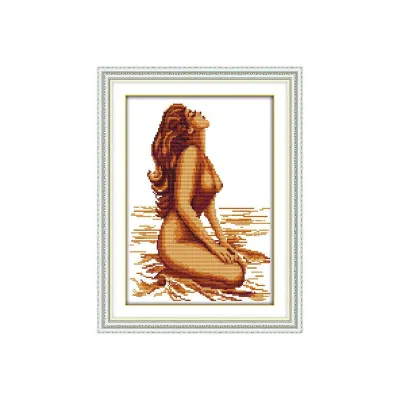
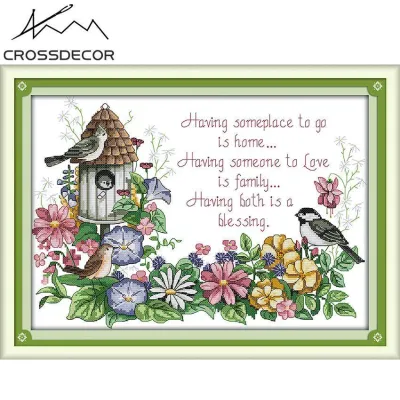
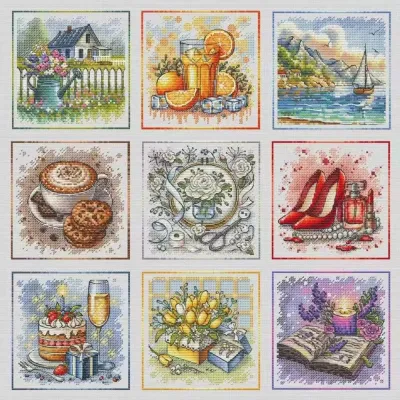
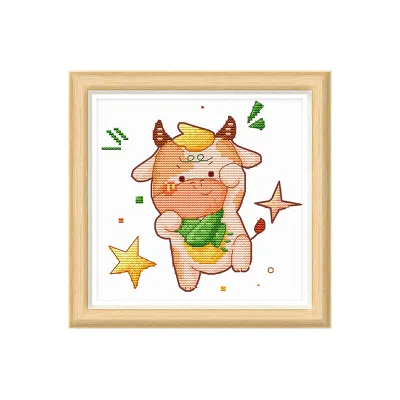
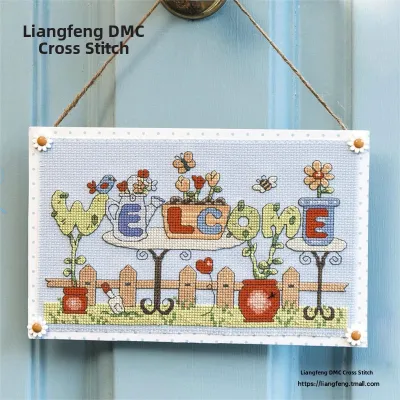
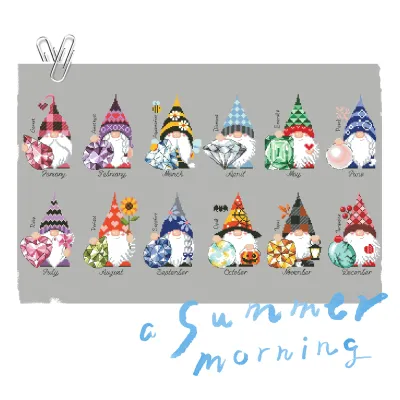
Prices are valid at publication and may change. Please refer to the product page for the latest price.
What Makes a DMC Cross Stitch Set Beginner-Friendly?
When browsing for your first needlework project, the term “beginner-friendly” can sometimes be applied too broadly. A truly accessible starter set must reduce the cognitive load of the craft, allowing your hands to build muscle memory before your mind has to tackle complex spatial calculations. The design of the set should act as a gentle guide rather than a confusing puzzle.
Stamped patterns are the absolute gold standard for anyone picking up a needle for the first time. In a stamped cross stitch set, the design is printed directly onto the fabric using water-soluble ink. This means you do not need to constantly look back and forth between a paper grid and your fabric, counting tiny squares to figure out where the next color goes. You simply match the thread color to the printed symbol on the fabric and stitch directly over it, which dramatically reduces eye strain and mistakes.
Fabric selection is another critical factor in your early success. Aida fabric is the preferred choice for beginners because of its stiff, woven grid structure. This stiffness allows you to maintain even tension without distorting the fabric shape. The “count” of the fabric refers to the number of squares per linear inch. A 14-count Aida fabric is ideal because the holes are large enough to see clearly under normal household lighting, yet small enough to ensure the finished design looks detailed and cohesive.
Finally, the physical dimensions of the project play a massive role in maintaining your motivation. It is highly recommended to choose a design that fits within a 4-inch to 6-inch boundary. Larger canvases require dozens of hours of repetitive work, which can easily lead to project fatigue and abandonment. A smaller project offers a rapid sense of accomplishment, giving you a finished piece within a few evenings and building the confidence needed to tackle more ambitious designs later.
Key Components to Check Before Buying
Before finalizing your purchase on an online marketplace or at a local craft store, it is essential to verify that the set is fully self-contained. Some packages are sold as “patterns only” or require you to purchase threads and tools separately. A true beginner set should allow you to open the box and start stitching immediately without requiring an extra trip to the store.

First, examine the packaging to confirm the inclusion of pre-sorted embroidery floss. DMC is globally renowned for its six-strand cotton embroidery thread, which is highly resistant to fading and fraying. In a high-quality starter kit, these threads will come pre-cut and organized on a cardboard thread palette, with each color clearly labeled. This saves you from the tedious task of sorting through a tangled bundle of loose skeins and trying to guess which shade of green matches the pattern key.
Next, check for the inclusion of a proper tapestry needle. Unlike sewing needles, tapestry needles have a blunt tip and a significantly larger eye. The blunt tip is crucial because it prevents you from accidentally piercing the woven threads of the Aida fabric, guiding the needle smoothly through the pre-existing holes instead. For 14-count Aida fabric, a size 24 tapestry needle is the industry standard, providing the perfect balance of thickness to open the hole slightly without leaving permanent gaps.
Lastly, ensure the set includes a physical embroidery hoop and clear, visual instructions. The hoop is necessary to keep the fabric taut while you work, which is the secret to achieving uniform, neat stitches. The instruction leaflet should feature step-by-step diagrams demonstrating how to separate the six-strand floss into the recommended two strands, how to start and secure your threads without messy knots, and how to execute the basic cross stitch and backstitch.
Matching Design Complexity to Your Goals
Not all small designs are created equal when it comes to ease of execution. A pattern might look simple at a glance, but a closer inspection of the design elements can reveal hidden complexities that might frustrate a novice. Aligning the visual style of the kit with your personal patience level is key to a rewarding experience.
For those seeking quick wins and immediate satisfaction, look for designs with low color counts and bold, distinct shapes. Modern geometric patterns, simple silhouettes, and minimalist botanical designs are excellent choices. These patterns allow you to focus on mastering your stitch tension and direction without the distraction of constantly changing thread colors or managing multiple active threads across the fabric.
If you are interested in learning more advanced shading techniques early on, a moderate design with gentle color blending can be highly rewarding. These designs typically feature natural motifs like flowers, fruits, or landscapes. They introduce you to the concept of using closely related shades to create depth, providing a richer learning experience without overwhelming you with intricate, single-stitch details.
As a beginner, there are several design red flags you should actively avoid. Steer clear of patterns that feature large, solid blocks of a single color, as stitching the same color for hours can quickly become monotonous. Additionally, avoid designs that require fractional stitches—such as half or quarter stitches—or heavy backstitching for fine details. These techniques require you to pierce the middle of the fabric squares rather than using the open holes, which is highly challenging on stiff Aida fabric without advanced needle control.
Creating a Conditional Shortlist for Your First Purchase
To help you navigate the vast array of available DMC sets, it is helpful to categorize your options based on your primary goal for the project. Because the ideal starter set depends heavily on what you plan to do with the finished piece, you can use the following scenarios to narrow down your choices.
If You Want a Quick Weekend Project
If your main goal is to test the waters of the hobby with minimal time commitment, filter your search for ultra-compact kits. Look for sets that feature a 3-inch or 4-inch plastic or wooden hoop. These designs usually consist of a single, centered icon—such as a small cactus, a piece of fruit, or a simple heart—and can easily be completed in a single afternoon. They are low-risk, highly satisfying, and perfect for busy schedules.
If You Want Immediate Home Decor
If you want to create a piece of art that immediately matches your living space, look for modern botanical or minimalist line-art designs. Many contemporary DMC kits are designed to be displayed directly in the hoop they are stitched in, serving as instant wall art. Choose a set that features a high-quality wooden or bamboo hoop and a color palette that complements your home’s interior design, allowing you to transition the finished project straight from your lap to your wall.
If You Plan to Gift the Finished Piece
If you are stitching with a specific recipient in mind, look for sets that incorporate modern typography, inspirational quotes, or recognizable seasonal motifs. A hand-stitched monogram or a cute animal design makes a deeply personal and thoughtful gift. Prioritize kits that include a clean, attractive frame or a high-quality hoop that can be easily finished with a felt backing to hide the rear stitches before presentation.
Common Beginner Mistakes to Avoid
Even with the best starter kit, a few common pitfalls can disrupt your progress or lead to a less-than-perfect finished product. Being aware of these potential missteps beforehand allows you to take simple preventative measures.
One of the most frequent mistakes is accidentally purchasing a digital pattern download or a “pattern-only” leaflet instead of a physical kit. When shopping online, always read the product description carefully to ensure terms like “complete kit,” “includes fabric and thread,” or “all-in-one set” are explicitly stated. If the price seems unusually low, double-check the listing to confirm you are not buying a PDF file.
Another common error is choosing a kit with high-count fabrics, such as 18-count Aida, 28-count evenweave, or linen, simply because you prefer the design. High-count fabrics require incredibly precise eyesight, excellent lighting, and advanced tension control, as the holes are microscopic compared to 14-count Aida. Attempting these fabrics too early often leads to missed holes, uneven stitches, and severe eye strain.
Finally, do not ignore fabric preparation. Although Aida fabric is stiff, the cut edges will naturally begin to fray as you handle the piece during stitching. To prevent your fabric from unraveling and potentially ruining your border stitches, take a few minutes to secure the edges before you start. You can easily do this by wrapping masking tape around the raw edges, or by running a quick zigzag stitch along the borders using a household sewing machine.
Frequently Asked Questions (FAQ)
Do I need to buy extra tools with a DMC beginner set?
A genuine DMC beginner kit will include all the absolute essentials required to complete the project, meaning you do not need to make any additional purchases to get started. However, a few low-cost household items can significantly improve your comfort. A sharp pair of embroidery scissors is highly recommended, as standard household scissors can chew and fray the floss rather than cutting it cleanly. Additionally, ensuring you work under a bright, adjustable desk lamp will protect your eyes from strain during evening stitching sessions.
What is the difference between stamped and counted cross stitch?
The primary difference lies in how you read and execute the pattern. Stamped cross stitch features the design printed directly onto the fabric in water-soluble ink, allowing you to stitch directly over the colors without consulting a separate guide. Counted cross stitch uses completely blank fabric, requiring you to refer to a printed or digital grid chart and count the squares on the fabric to determine where each stitch should go. Stamped sets are highly recommended for absolute beginners, while counted sets are excellent for your second or third project.
How long does a beginner DMC set usually take to finish?
The time required to finish a starter set depends on the physical size of the design, the total stitch count, and your personal stitching speed. A small, 3-inch hoop kit with a simple design can typically be completed in three to six hours of active stitching. Larger, more detailed 6-inch designs may take anywhere from fifteen to thirty hours. Because cross stitching is a slow, meditative craft, it is best to focus on enjoying the process rather than rushing to the finish line.

Community discussion
Share your experience or ask a question. Comments are reviewed before publication.