
For anyone stepping into the world of hand embroidery, stranded cotton embroidery floss is the absolute best thread to start with. This highly versatile, six-strand divisible thread allows you to easily adjust the thickness of your stitches to suit almost any fabric or design. By starting with standard stranded cotton, you gain maximum control over your project’s detail level without having to purchase multiple specialized thread types. As you build your skills, understanding how different threads behave will help you transition smoothly from simple patterns to complex, textured masterpieces.
Understanding the Most Common Embroidery Thread Types
When shopping at a craft store or online marketplace, the variety of threads can feel overwhelming. The most common and beginner-friendly option is stranded cotton, often called embroidery floss. This thread consists of six individual strands lightly twisted together. Its beauty lies in its divisibility; you can easily separate these strands to stitch with one, two, three, or all six parts to adjust your line thickness. It features a soft, matte finish or a very subtle sheen, making it perfect for surface embroidery, cross-stitch, and detailed needle painting.
Another popular option is pearl cotton (or perle cotton). Unlike stranded cotton, pearl cotton is a non-divisible, two-strand thread that is tightly twisted during manufacturing. This twist gives it a distinct, rope-like texture and a beautiful, pearlescent sheen. Because you cannot separate the strands, pearl cotton is categorized by thickness sizes, typically ranging from size 3 (thickest) to size 12 (thinnest). Beginners often find size 8 or size 5 pearl cotton excellent for learning textured stitches like French knots or decorative borders, as the thread holds its shape beautifully and does not split.
Products mentioned in this guide
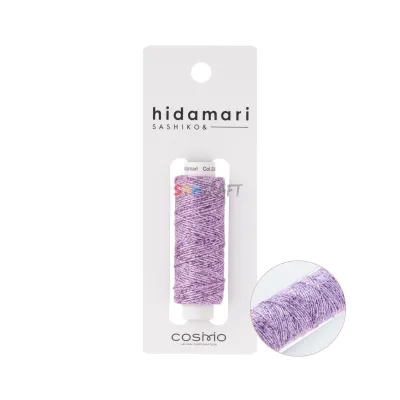
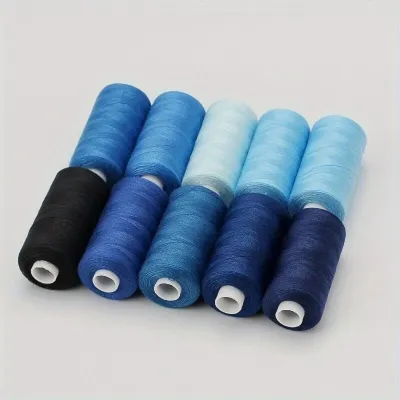
![[SG SELLER]30 Pcs/Set Polyester Sewing Threads Set Embroidery Threads for Upholstery Sewing Machine (250 Yards / Roll)](https://img.lazcdn.com/g/p/99320171026eaf046e806d59bcb7c85c.jpg_400x400q80.jpg_.webp)
Prices are valid at publication and may change. Please refer to the product page for the latest price.
Beyond these staples, you will find specialty threads like tapestry wool, metallic threads, and silk. Tapestry wool is a thick, matte yarn designed primarily for needlepoint, making it too bulky for standard cotton fabrics. Metallic threads offer a striking, high-shine finish but are notoriously stiff, prone to fraying, and difficult for beginners to control. Silk threads provide an unmatched luster but are highly slippery and expensive. For your very first projects, stick to stranded cotton or pearl cotton to avoid unnecessary frustration and focus on mastering your stitching technique.
How to Match Thread Type to Your First Project
Matching your thread to the specific style of your project is key to achieving a clean, professional finish. For cross-stitch and counted thread projects, stranded cotton is the universal standard. Counted thread work relies on the grid of the fabric, such as Aida cloth, to guide your stitches. By using stranded cotton, you can easily adjust the number of strands to match the fabric’s weave density. For instance, two strands of floss are typically perfect for 14-count Aida fabric, providing excellent coverage of the fabric squares without making the stitches look crowded.

If you are working on freeform surface embroidery, such as floral designs or modern line art, your choice between stranded and pearl cotton depends on the desired visual effect. Stranded cotton is ideal for creating smooth, flat fills, delicate shading, and intricate details like tiny flower stamens or fine lettering. On the other hand, if your design features bold outlines, geometric patterns, or heavy textures, pearl cotton is highly effective. The twisted structure of pearl cotton creates defined, raised lines that stand out dramatically from the background fabric, giving your design a lovely three-dimensional quality.
You must also consider the weight and weave of your background fabric. Lightweight fabrics, such as cotton lawn, linen blends, or calico, have delicate fibers that can easily pull or pucker if you use thread that is too thick. For these materials, stick to one to three strands of stranded cotton. Heavyweight fabrics, such as denim, canvas, or thick linen, can easily support the weight of all six strands of embroidery floss or thicker pearl cotton sizes without puckering. Matching the scale of your thread to the weight of your fabric ensures your stitches lie flat and your fabric remains smooth.
Key Features to Check When Buying Your First Threads
When shopping for your first embroidery threads, checking the material composition on the label is a crucial first step. High-quality embroidery floss is almost always made from 100% long-staple cotton. Long-staple fibers are spun into smoother, stronger threads that are less prone to fraying and pilling as you pull them through the fabric. Many premium cotton threads undergo a process called mercerization, which treats the fibers to increase their strength, dye receptivity, and luster. Synthetic polyester-cotton blends are also available; while they are highly durable, they often lack the smooth glide and soft drape of pure mercerized cotton.
Colorfastness is another vital feature to verify, especially if you plan to wash your finished embroidery or display it in areas with natural light. Colorfast threads are treated to ensure the dyes will not bleed or run when exposed to water. Look for terms like “colorfast” or “grand teint” on the packaging. Additionally, if you are working on a large project that requires multiple skeins of the exact same color, always check the dye lot numbers printed on the paper bands. Even minor variations in dye batches can create noticeable color shifts across a solid filled area, so purchasing all your matching skeins from the same dye lot is highly recommended.
Finally, pay attention to the packaging formats of the threads you buy. The most common format for stranded cotton is the pull-skein, which is wrapped with two paper bands. To use a pull-skein properly, locate the loose thread end that emerges from the side with the longer barcode band and pull gently; the thread should slide out smoothly without tangling. Pearl cotton is often sold in small balls or twisted hanks. While balls are ready to use, hanks must be carefully unwound and transferred to a bobbin or spool before stitching to prevent a tangled mess. Choosing the right format depends on your preferred storage setup.
Essential Thread Preparation and Storage
Properly preparing your thread before you begin stitching can save you hours of frustration caused by knots and tangles. When working with stranded cotton, never try to pull multiple strands apart simultaneously, as this will instantly create a knot. First, cut a comfortable working length of thread—about 45 to 50 centimeters, which is roughly the distance from your fingertips to your elbow. Hold the cut piece of floss, pinch the top end gently, isolate a single strand, and pull it straight up and out. The remaining strands will bunch up slightly but will easily smooth out once the single strand is free. Repeat this process for each individual strand you need, then lay them back together before threading your needle.
Thread conditioning is a technique some stitchers use to make their threads glide more smoothly through fabric. Applying a light coating of natural beeswax or a synthetic thread conditioner can reduce static, minimize fraying, and prevent tangles, which is particularly helpful when working in dry environments. However, for high-quality 100% cotton threads, conditioning is generally unnecessary. In fact, you should avoid using conditioners if you want to preserve the natural, fluffy texture of the cotton, as the wax can flatten the fibers and alter the matte finish of your stitches. Save conditioners for metallic threads or when working with highly abrasive fabrics.
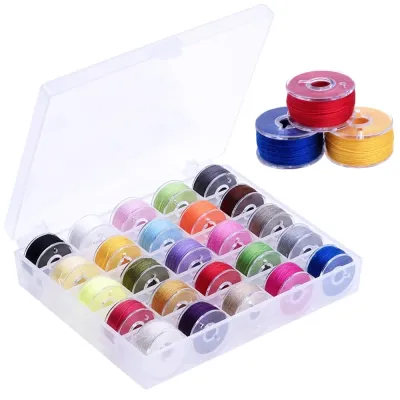
Keeping your growing thread collection organized is essential for maintaining its quality over time. Winding your leftover threads onto plastic or cardboard bobbins is a highly popular and effective storage method. You can write the color identification number directly on the bobbin and store them in clear, compartmentalized plastic boxes. To protect your threads from damage, always store them in a cool, dry place away from direct sunlight, which can fade the vibrant dyes. High humidity should also be avoided, as moisture can weaken natural cotton fibers and encourage mold growth. Proper storage ensures your threads remain strong, bright, and ready for your next creative project.
Frequently Asked Questions (FAQ)
Can I use regular sewing thread for embroidery?
Standard sewing thread is designed to be thin, strong, and tightly twisted so that it can blend seamlessly into fabric seams. Because of this, it lacks the volume, soft texture, and divisible structure of dedicated embroidery floss. While you can technically use sewing thread for ultra-fine details or delicate machine embroidery, using it for hand embroidery will result in flat, sparse stitches. You would need to make many repetitive passes to build up any visible texture or coverage, which can easily distort your fabric and make the stitching process tedious.
How many strands of embroidery floss should I use?
The number of strands you should use depends entirely on your fabric’s weave and the desired thickness of your stitches. For delicate details, fine outlines, or realistic needle painting, using one or two strands is ideal. For standard cross-stitch on 14-count Aida fabric, two strands are the industry standard to provide clean coverage. If you want to create bold outlines, filled shapes, or highly textured stitches like French knots, using three to six strands will give you the necessary volume. Always test your chosen strand count on a scrap piece of your project fabric before committing to the main piece.
Does embroidery thread expire or go bad?
While cotton embroidery thread does not have a strict expiration date, its natural fibers can degrade over time if exposed to poor environmental conditions. Prolonged exposure to direct sunlight will fade the dyes, while high humidity can weaken the cotton fibers and lead to mold. If you are using older or inherited threads, you can easily test their integrity by gently tugging a short length between your hands. If the thread snaps easily, produces an excessive amount of lint, or feels dry and brittle, the fibers have degraded, and the thread should be discarded to prevent it from breaking constantly while you stitch.
Community discussion
Share your experience or ask a question. Comments are reviewed before publication.