
Selecting the right Disney stickers for school supplies requires matching the sticker’s material and format to its specific daily use. While standard paper sticker sheets are ideal for indoor journaling, labelling school books demands flat, durable formats like vinyl or pre-cut name labels that resist tearing and moisture. Conversely, decorating pencil cases allows for textured, visually striking options like puffy stickers, provided the adhesive is compatible with the case’s material. This guide breaks down how to evaluate sticker formats, match them to school scenarios, and apply them for lasting results.
In a busy school environment, stationery items undergo constant handling and exposure to varying conditions. From being stuffed into crowded backpacks to enduring humid weather, school gear must withstand significant wear. Choosing a sticker based solely on a favorite character without considering the material can lead to peeling and sticky residue within the first few weeks of the term. By understanding the physical properties of different sticker formats, you can ensure school books remain clearly labelled and pencil cases stay beautifully personalized all year round.
Identifying Common Disney Sticker Formats and Materials
To make an informed choice, it is essential to understand the physical properties of the various Disney sticker formats available on the market. Vinyl stickers are highly flexible and typically offer excellent resistance to water and tearing, making them a popular choice for items that face regular handling. Puffy stickers, on the other hand, feature a foam-backed, three-dimensional structure that provides a fun, tactile experience but adds significant bulk to any surface. Standard paper sticker sheets are thin and easy to peel, but they lack protective coatings, making them highly vulnerable to moisture and friction. Lastly, pre-cut name labels are specifically engineered for identification purposes, often featuring a durable top layer designed to protect written text from smudging.
Products mentioned in this guide
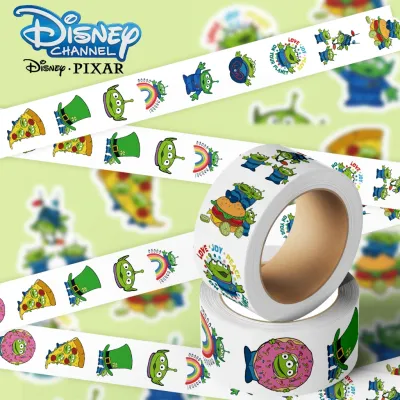
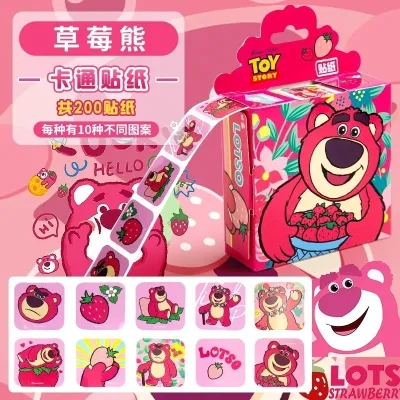
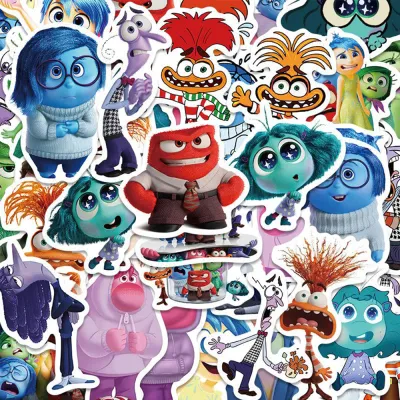
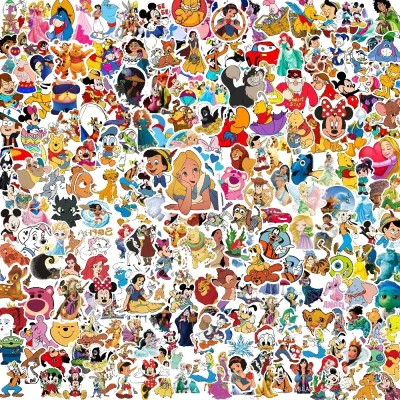
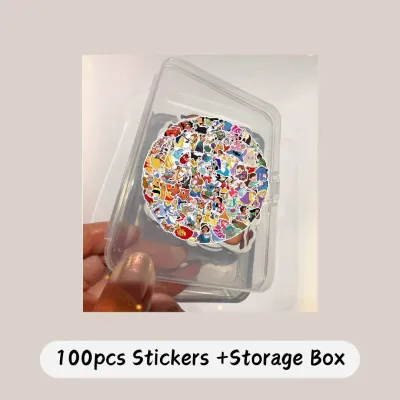
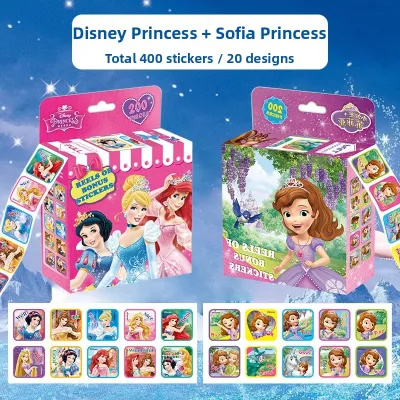
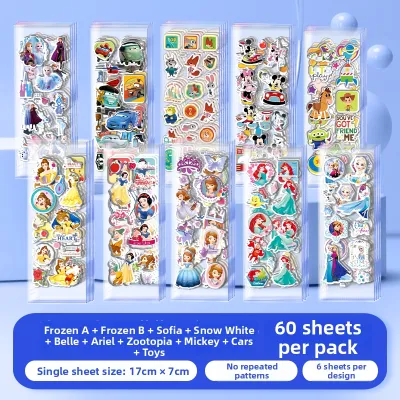
![[SG SELLER][👦Kids Love em👧] Customised Disney Mickey Mouse Minnie Birthday Thank You Stickers For Kids Goodies Bags](https://img.lazcdn.com/g/p/84672dec1d416461bb2a08592c347965.png_400x400q80.png_.webp)
Prices are valid at publication and may change. Please refer to the product page for the latest price.
Because Disney characters are licensed to many different stationery manufacturers, the quality, adhesive strength, and durability of these stickers can vary significantly. Rather than assuming a sticker will perform well based entirely on the Disney branding, always check the product packaging or online retailer listings for specific material details. Look for terms like “heavy-duty vinyl,” “laminated,” or “water-resistant” to gauge how well the sticker will hold up under daily use.
It is also important to note that performance claims such as “waterproof” or “scratch-resistant” are rarely absolute. These characteristics depend heavily on the specific surface material and the conditions of use. To prevent disappointment, verify these claims against the manufacturer’s stated limitations and care instructions, and consider running a quick trial with a single sticker before committing to decorating an entire set of school supplies.
Selecting Durable Labels for School Books and Notebooks
School books and notebooks are subjected to constant friction as they are repeatedly slid in and out of backpacks, stacked on desks, and carried between classrooms. For these high-wear items, flat and flexible formats like vinyl stickers or pre-cut name labels are the most practical choices. Because these stickers lie flush against the book cover, they minimize the risk of corners catching on other items, which is the primary cause of peeling and lifting.

In contrast, thick or textured formats, such as puffy stickers or epoxy-coated decals, are highly unsuitable for school books. When books are packed tightly together in a school bag, the raised profiles of these stickers create uneven pressure points. This pressure can cause the stickers to indent adjacent book covers, tear neighboring pages, or simply pop off due to the lateral shear force. Keeping book covers as flat as possible ensures they stack neatly and remain undamaged throughout the academic year.
When choosing name labels for school books, always verify the sticker dimensions against standard book sizes to ensure they fit neatly on the cover or spine without overhang. Additionally, pay close attention to the sticker’s surface texture to ensure it is compatible with your writing instruments. Glossy vinyl labels often require a permanent marker to prevent the ink from smudging, whereas matte-finished labels are usually compatible with standard ballpoint pens or gel pens. Testing your pen on a spare label first is an excellent way to verify drying speed and smudge resistance before labelling all your textbooks.
Choosing Decorative Stickers for Pencil Cases and Accessories
Pencil cases and personal accessories offer a wonderful canvas for self-expression, allowing students to showcase their favorite Disney characters. For these items, decorative formats like puffy stickers and die-cut vinyl decals are highly effective. They provide excellent visual appeal and unique tactile textures that make everyday school accessories feel special and easily identifiable in a crowded classroom.
However, matching the sticker to the specific material of the pencil case is crucial for long-lasting decoration. Hard-shell cases made of plastic or metal tin provide smooth, non-porous surfaces that are ideal for almost any adhesive type. On these rigid surfaces, both flat vinyl decals and dimensional puffy stickers can adhere securely without much risk of peeling.
Soft or flexible pencil cases made of silicone, canvas, or nylon require a much more careful approach. Silicone is a notoriously difficult material for adhesives to bond with, meaning standard stickers will likely peel off almost immediately; look for specialized silicone-compatible adhesives if decorating a silicone case. Canvas and nylon are highly porous and flexible fabrics. When these soft cases bend and flex during daily use, rigid or thick stickers will quickly crack or lift at the edges. For fabric cases, verify whether the sticker adhesive is specifically rated for textiles, or consider using flexible, fabric-backed patches instead.
Application and Maintenance Tips for Long-Lasting Adhesion
Proper surface preparation and application techniques are key to maximizing the lifespan of your Disney stickers in a demanding school environment. Before applying any sticker, clean the target area thoroughly with a dry or slightly damp cloth to remove dust, dirt, finger oils, or lotion residue. If you use a damp cloth, ensure the surface is completely dry before proceeding, as even a tiny amount of moisture can permanently compromise the sticker’s adhesive bond.
When applying the sticker, position it carefully and press down firmly starting from the center, smoothing outward toward the edges. This technique helps expel any trapped air bubbles and ensures that the entire adhesive surface makes solid contact with the item. To further protect the sticker, avoid placing it on high-friction areas such as the sharp corners of book covers, fabric seams, or directly along zipper tracks where constant physical contact is guaranteed to wear down the edges.
Over the course of the school year, you may eventually need to remove or replace a worn sticker. Always consult the sticker manufacturer’s guidelines for safe removal instructions. If sticky adhesive residue remains on a plastic or metal surface, start with the gentlest method: apply a small amount of warm soapy water with a soft cloth, let it sit for a few minutes to loosen the bond, and gently wipe it away. If you decide to use a mild commercial adhesive remover, always test a tiny drop on a hidden, inconspicuous area first, and stop immediately if you notice any signs of discoloration, clouding, or damage to the underlying material.
Frequently Asked Questions (FAQ)
Can I use standard paper Disney stickers on school book covers?
Standard paper Disney stickers are generally not recommended for the exterior of school book covers. Because they lack a protective plastic or laminate coating, paper stickers have very low resistance to water and tearing, making them highly prone to fraying, peeling, and ink smudging when handled daily by students. Instead, it is best to reserve standard paper sticker sheets for low-wear indoor activities. They are excellent for decorating the inside pages of notebooks, personal journals, or scrapbooks where they are fully protected from the friction and moisture of daily school life.
How do I safely remove adhesive residue from a plastic pencil case?
To safely remove stubborn adhesive residue from a plastic pencil case, always begin with the gentlest cleaning method to avoid damaging the plastic. Dampen a soft microfiber cloth with warm, soapy water and hold it against the sticky residue for a few minutes to soften the adhesive, then gently rub the area in a circular motion. Avoid using harsh chemical solvents, abrasive scrubbing pads, or sharp metal tools, as these can easily scratch, cloud, or permanently melt the plastic surface. Before attempting to use any commercial adhesive remover, check the pencil case manufacturer’s care instructions and test a tiny amount of the remover on a small, hidden area of the case to ensure it is safe to use.

Community discussion
Share your experience or ask a question. Comments are reviewed before publication.