
Choosing your first Crayola watercolor set comes down to matching the paint format and palette size to your immediate creative goals. While many associate the brand with early childhood art classes, these entry-level watercolors offer an accessible, low-stakes entry point for adults and older students looking to experiment with color mixing, wash techniques, and basic brush control without a heavy financial commitment. The ideal starter set is one that fits your physical workspace, whether that is a compact study desk in a local apartment or a shared family dining table.
By starting with a straightforward, budget-friendly palette, you can focus on the core mechanics of watercolor painting—such as managing water-to-paint ratios and understanding paper saturation—before investing in expensive artist-grade supplies. This guide breaks down the key differences between pan and tube formats, color counts, and included accessories to help you select the most suitable starter kit based on your specific needs and environment.
Key Factors for Choosing Your First Crayola Watercolor Set
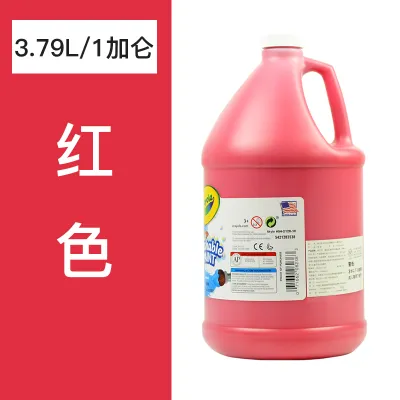
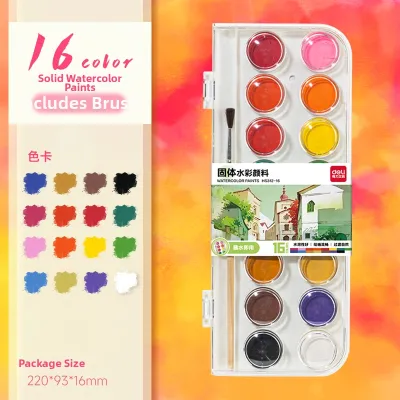
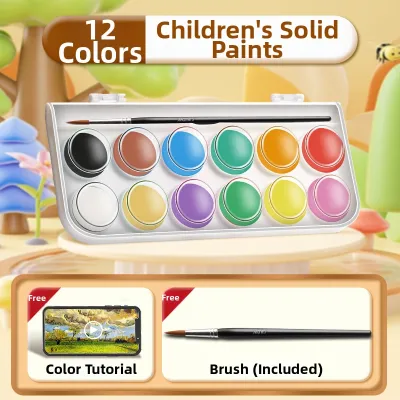
When selecting your first watercolor set, the physical format of the paint is the most fundamental decision you will make. Dry pans are solid blocks of pigment housed in small plastic wells that reactivate when touched with a wet brush. They are highly stable, incredibly easy to clean, and virtually spill-proof, making them the standard recommendation for absolute beginners. Liquid tubes, on the other hand, contain moist, concentrated paint that you squeeze onto a palette. While tubes offer rich, immediate color and make it easier to mix large batches of paint, they require careful portioning and can easily lead to wasted paint if you squeeze out more than you need.
Products mentioned in this guide
![[SG] CRAYOLA 530525 Crayola Washable Watercolor Paint 8CT [Evergreen Stationery]](https://img.lazcdn.com/g/p/51c68caa1abaf212ce0f329cd1c3f14f.jpg_400x400q80.jpg_.webp)
Prices are valid at publication and may change. Please refer to the product page for the latest price.
Color count is another critical factor that directly impacts your learning curve. Beginners are often tempted to choose the largest palette available, assuming that more colors will make painting easier. However, a massive array of pre-mixed shades can actually hinder your progress by overwhelming you with choices. Starting with a basic set of 8 to 16 colors encourages you to learn the fundamentals of color theory. When you are forced to mix your own greens, purples, and oranges from primary colors, you develop a practical understanding of color relationships that a pre-mixed palette cannot teach.
The quality and utility of the included accessories should also influence your choice. Most entry-level watercolor sets include a basic plastic-handled brush with synthetic bristles. While these brushes are functional for initial practice, their water-holding capacity is limited, and they may lose their shape quickly. Additionally, look closely at the design of the plastic case itself. A lid divided into shallow, recessed wells serves as an integrated mixing palette, which is incredibly convenient because it keeps your mixing area attached directly to your paint supply and is easy to wipe clean after a painting session.
Matching Watercolor Formats to Your Painting Goals
Casual Sketching and On-the-Go Painting
For those who want to paint during a daily commute, in a local cafe, or while sitting in a park, portability is the primary consideration. A compact pan set with a secure, snap-shut lid is essential to prevent leftover moisture from leaking into your bag. Look for designs that feature a dedicated slot for a travel brush, ensuring all your core tools remain in one self-contained unit. These smaller footprints are also ideal for compact living spaces, such as typical study corners in cozy apartments, where desk space must be cleared quickly after a painting session.

When painting on the go, you want a set that requires minimal setup and cleanup. Dry pans excel in this scenario because they do not require a separate mixing tray or a large volume of water. You can easily paint with a single small cup of water or a water brush—a specialized brush with a refillable water reservoir in the handle. Once you are finished, you simply wipe the plastic lid clean with a tissue, snap the case shut, and pack it away without worrying about wet paint running or spilling.
Home Studio and Larger Artworks
If you plan to work on larger sheets of paper at a dedicated desk, you will benefit from larger paint pans or a tube-based setup. Larger pans accommodate wider brushes, allowing you to lay down broad washes of color across the sky or background of your painting without wearing down the paint unevenly. Sturdy, wide-base plastic trays are preferred here because they stay flat on your desk and resist tipping over when you dip your brush or mix colors.
Working at home also gives you the luxury of space to use separate mixing palettes and larger water containers. If you choose a tube set for home use, you can squeeze small amounts of paint onto a ceramic plate or a dedicated plastic palette, leaving plenty of room to mix custom shades. This setup allows you to experiment with thicker paint applications and more dramatic gradients, which are difficult to achieve with small, dry pans.
Shared Family Crafting and Younger Users
When art supplies are shared with younger family members, durability and washability become the most important features. Look for sets explicitly labeled as washable, which are formulated to wash out of most household fabrics and skin with warm water and soap. This feature provides peace of mind when painting at the dining table or on carpeted areas where accidental spills are likely to occur.
The packaging for shared family sets should feature thick, impact-resistant plastic that can withstand accidental drops onto tiled floors without cracking or spilling the dry pans inside. Hinges and latches should be simple and robust, allowing children to open and close the set independently without pinching their fingers or breaking the mechanism. Choosing a durable, washable set ensures that painting remains a fun, stress-free activity for the entire household.
What to Verify on the Product Label and Packaging
Before purchasing any watercolor set, it is essential to inspect the packaging for recognized safety certifications. Look for the Art and Creative Materials Institute (ACMI) “AP Non-Toxic” seal, which indicates that the product has been evaluated by a toxicologist and contains no materials in sufficient quantities to be toxic or injurious to humans. This certification is particularly important if the paints will be used by children or in shared household spaces where hands-on contact is frequent.
It is also vital to manage your expectations regarding pigment grade. Crayola watercolors are formulated as student-grade or craft-grade supplies, meaning they utilize affordable binders and synthetic dyes or lower-concentration pigments rather than the expensive, pure mineral pigments found in professional artist-grade paints. Consequently, these paints may have lower lightfastness—meaning they may fade over time when exposed to direct sunlight—and might appear slightly more chalky or less vibrant when dry. Understanding this distinction helps you appreciate them as excellent, low-cost practice tools rather than mediums for archival gallery pieces.
Because drying speed, bleed resistance, and color vibrancy depend heavily on the specific paper and water ratio you use, you should always perform a simple swatch test on your chosen paper before starting a major project. Paint a series of small squares, varying the amount of water from highly diluted to thick and concentrated. Observe how long the paint takes to dry, whether it bleeds uncontrollably through the paper fibers, and how vibrant the colors remain once fully dry. This simple trial provides valuable, observable criteria that will help you adjust your painting technique to match your specific materials.
Essential Add-ons to Complete Your Beginner Setup
The single most common mistake beginners make is attempting to paint on standard printer paper or lightweight sketchbooks. These papers lack the sizing and thickness required to absorb water, causing them to buckle, pill, and tear almost immediately. For a successful start, invest in dedicated watercolor paper with a weight of at least 300 gsm (grams per square meter). Cold-pressed paper, which has a slightly textured surface, is highly recommended for beginners because it slows down water evaporation, giving you more time to work with your washes before the paint dries.
While the brush included in your starter set is sufficient for your very first strokes, upgrading to a modest synthetic round brush (such as a size 6 or size 8) will dramatically improve your painting experience. Look for a brush with good tip retention—meaning it springs back to a sharp point after being wet—and a high water-holding capacity. This allows you to paint smooth, continuous lines and fine details without constantly reloading your brush with water and paint.
Managing moisture is the core challenge of watercolor painting, and a few simple household tools can make a significant difference. You should always use two separate water jars: one for rinsing dirty paint off your brush, and one containing clean water for diluting paint and wetting your paper. Additionally, keep an absorbent cotton cloth, microfiber towel, or cellulose sponge nearby. Dabbing your brush on a damp cloth allows you to control the exact amount of water held in the bristles, preventing accidental puddles and runs on your artwork.
Frequently Asked Questions (FAQ)
Can I mix Crayola watercolors with other student-grade brands?
Yes, you can generally mix these paints with other water-based student-grade watercolors. Because they share similar water-soluble binders, they will blend together on your palette. However, be aware that different brands use varying pigment concentrations, fillers, and binders. Mixing them may result in unexpected changes in opacity, drying times, or texture, so it is always wise to test your custom mixtures on a scrap piece of watercolor paper before applying them to your main painting.
How should I store my watercolor set to prevent the pans from drying out completely?
Dry watercolor pans are designed to be dry, but improper storage can lead to mold or cracked paint. In humid environments, it is critical to let your watercolor palette air-dry completely with the lid open before closing and storing it. Trapping moisture inside a sealed plastic container creates a breeding ground for mold. Once fully dry, store the set in a cool, dry cupboard away from direct sunlight, which can degrade the plastic casing and cause the pigments to fade prematurely.

Community discussion
Share your experience or ask a question. Comments are reviewed before publication.