
Starting your painting journey begins with choosing a paint set that balances quality, usability, and value. The ideal beginner paint set should offer reliable pigment behavior without the overwhelming complexity or high cost of professional-grade materials. By focusing on established art brands that offer dedicated student-grade lines, you can ensure consistent performance, predictable color mixing, and safe formulations. This guide helps you navigate the essential characteristics of starter kits, compare different painting mediums, and evaluate set components so you can make an informed purchase that supports your creative growth.
In Singapore’s warm and humid climate, choosing the right paint medium and storage method is particularly important. High humidity levels can slow down the drying time of water-based paints, affect paper buckling, and increase the risk of mold growth on damp palettes. Understanding these environmental factors, alongside the physical properties of different paint types, allows you to set up a comfortable and sustainable home studio space. Whether you are painting on a small desk in a high-rise apartment or setting up a portable easel, selecting a well-formulated starter set ensures your early painting experiences are rewarding rather than frustrating.
What Makes a Paint Set Ideal for Beginners
A great beginner paint set acts as a bridge between accessibility and technical reliability. The primary goal of a starter kit is to let you learn how paint behaves on a surface without fighting poor-quality materials. Low-grade, unbranded paints often contain excessive fillers and minimal pigment, leading to chalky finishes, muddy color mixtures, and uneven coverage. In contrast, a well-designed beginner set from a reputable manufacturer uses student-grade formulations that maintain a reliable balance between pigment load and affordability.
Products mentioned in this guide
Prices are valid at publication and may change. Please refer to the product page for the latest price.
A manageable color selection is another hallmark of an excellent starter kit. While a massive box of forty pre-mixed colors might seem appealing, it often hinders your learning process. A smaller palette of twelve to eighteen essential colors forces you to practice color mixing, which is a fundamental skill for any artist. Working with a limited selection of warm and cool primaries, along with a few earth tones, teaches you how to create a vast spectrum of hues while keeping your workspace organized and clutter-free.
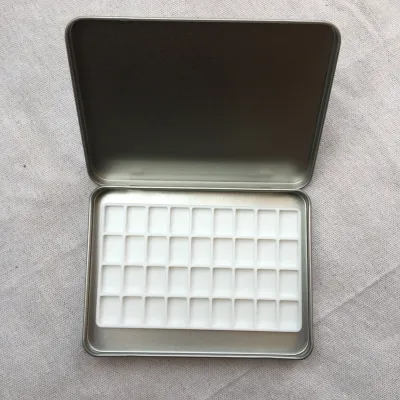
Portability and packaging also play a significant role in how often you will actually use your paint set. For those working in compact living spaces, a set that is easy to pack away and store is invaluable. Look for sturdy, compact cases that keep your paints secure and organized. Watercolor pans in metal tins, acrylic tubes in snap-close plastic boxes, or gouache sets with airtight lids help preserve your materials and make cleanup quick and painless.
Choosing Your Medium: Watercolor, Acrylic, or Gouache
Selecting the right medium depends heavily on your artistic goals, cleanup preferences, and physical workspace. Watercolor is highly favored for its low odor, minimal equipment requirements, and exceptionally easy cleanup. Because it is water-soluble and non-toxic, you can easily paint at a small dining table or desk. However, watercolor requires specific heavy-weight paper to prevent warping, and its transparent nature means you must plan your painting from light to dark, as mistakes cannot easily be painted over.

Acrylic paint offers incredible versatility and a fast drying time, making it a popular choice for beginners who want immediate results. Acrylics are opaque, allowing you to layer light colors over dark colors and easily correct mistakes. They adhere to a wide variety of surfaces, including canvas, wood, paper, and cardboard. The trade-off is that acrylics dry permanent and waterproof, meaning you must clean your brushes immediately to prevent them from being ruined. In humid climates, acrylics dry slightly slower than in dry regions, giving you a bit more working time on the palette.
Gouache bridges the gap between watercolor and acrylic, offering a unique matte, opaque finish. Like watercolor, gouache is water-soluble and can be reactivated with water even after it has dried on the palette. This reworkability makes it highly forgiving for beginners who want to adjust their work over multiple sessions. Gouache is excellent for illustrative styles, flat color designs, and sketchbook work. However, because it remains water-sensitive, finished pieces must be protected from moisture and humidity to prevent smudging or mold.
When setting up your workspace, basic safety and ventilation should always be considered, regardless of the medium. While student-grade watercolors, acrylics, and gouache are generally low-odor and non-toxic, it is best to paint in a well-ventilated room. Avoid eating or drinking while painting, and keep your rinse water cups clearly separated from your drinking cups. If you are working with acrylics, ensure you wash your brushes with mild soap and water, and avoid pouring large amounts of acrylic residue directly down the sink to prevent plumbing clogs.
Navigating Student-Grade Lines from Reputable Brands
Established art manufacturers typically divide their product offerings into professional-grade and student-grade lines. Professional paints use high concentrations of pure, single pigments and minimal binders, resulting in intense color saturation and exceptional lightfastness. Student-grade lines, often labeled as “academic” or “studio” paints, substitute expensive pigments with synthetic alternatives (often designated as “hues”) and include more fillers. This formulation keeps the price accessible while maintaining a physical consistency that mimics professional paint.
To verify a brand’s reputation, look closely at the manufacturer’s specifications printed on the packaging or detailed on their official website. Reputable brands are transparent about the ingredients they use, listing specific pigment index numbers (such as PY3 for Hansa Yellow or PB29 for Ultramarine Blue) directly on the tubes or pans. Unbranded or extremely cheap paint sets rarely provide this information, making it difficult to predict how colors will mix or how long they will last without fading.
Choosing a student-grade line from an established manufacturer ensures a level of quality control that unbranded alternatives cannot match. Reputable brands test their student lines for lightfastness—the paint’s resistance to fading when exposed to light—and provide clear ratings on the packaging. They also use high-quality binders that prevent the paint from cracking, peeling, or separating in the tube over time. Investing in a recognized student line means your materials will behave predictably, allowing you to build reliable painting habits.
Evaluating Kit Components: Pigments, Brushes, and Accessories
When shopping for a beginner paint set, it is easy to be swayed by kits that include dozens of accessories like plastic palettes, cheap brushes, and small mixing cups. Often, these bundled items are of low quality and serve as filler to inflate the perceived value of the set. Instead, focus on the quality of the paint itself and evaluate the included components critically to ensure you are getting functional tools.
Analyze the color palette of the set to ensure it contains a balanced selection of primary colors. A versatile starter set should include both a warm and a cool version of red, yellow, and blue, along with a few essential earth tones like Burnt Sienna or Yellow Ochre, and a mixing white. Avoid sets that are dominated by highly specific, pre-mixed secondary or tertiary colors like lime green or bright pink. These pre-mixed shades limit your learning and can easily be mixed yourself using a proper primary palette.
If the set includes brushes, examine the bristles and construction. For beginners, synthetic brushes are generally superior to cheap natural hair brushes because they are more durable, hold their shape well, and are easier to clean. Check that the bristles do not shed easily when gently tugged and that the brush snaps back to its original shape when wet. A simple round brush and a flat brush are usually all you need to start; a set that includes ten identical, low-quality brushes is rarely a good value.
Finally, assess the durability of any included palettes or storage cases. A good mixing palette should have deep enough wells to hold water or paint mixtures without overflowing, and a smooth surface that is easy to wipe clean. For watercolors and gouache, a plastic or metal palette with a folding lid is ideal for keeping dust out. For acrylics, a flat, non-porous plastic or glass surface is easiest to scrape clean once the paint dries.
Building Your Shortlist: A Conditional Selection Framework
To find the right paint set for your specific needs, use a structured evaluation process before making a purchase. This framework helps you filter options based on your workspace, budget, and artistic goals, ensuring you spend your money on materials that will actually help you improve.
First, confirm your medium and workspace compatibility. If you live in a compact apartment with limited ventilation, watercolor or gouache is often the most practical choice due to their easy cleanup and low space requirements. If you have a dedicated desk where you can leave projects out to dry, acrylics on canvas boards are highly viable. Consider how the local humidity might affect your drying times; watercolor washes will take longer to dry in humid conditions, which may require you to adjust your painting speed or use a small desk fan.
Second, verify the brand’s student-line reputation and check the packaging for technical details. Look for established names that clearly print pigment codes and lightfastness ratings on their tubes or pans. Avoid sets that use vague color names like “sky blue” or “deep red” without any chemical or pigment identification. A reputable student line will have plenty of independent reviews and guides available online, making it easy to find tutorials that use the exact same colors.
Third, audit the physical volume of the paint included in the set. For tube paints, check the milliliter (ml) measurement; starter tubes typically range from 5ml to 21ml. While smaller tubes are highly portable, they can run out quickly if you are practicing large washes or thick impasto techniques. For watercolors, compare half-pans to full-pans. Half-pans are excellent for detailed work and travel, while full-pans accommodate larger brushes more comfortably.
Finally, calculate the actual value of the paint by comparing the price-per-milliliter across different sets, excluding the estimated cost of any bundled plastic accessories. For example, a set priced at S$30 containing twelve 12ml tubes offers better value than a S$25 set containing twelve 5ml tubes once you calculate the cost per milliliter. A slightly more expensive set that contains larger tubes of high-quality paint is often a much better long-term investment than a cheap, accessory-heavy kit that runs out after a few painting sessions. Use this step-by-step checklist to guide your search in local art shops or online marketplaces.
| Step | Action | What to Look For | Why It Matters |
|---|---|---|---|
| 1 | Assess Workspace | Ventilation, water access, drying space | Determines if watercolor, acrylic, or gouache fits your home. |
| 2 | Check Pigment Info | Pigment index codes (e.g., PB29, PY3) | Ensures predictable color mixing and prevents muddy results. |
| 3 | Verify Lightfastness | ASTM or brand-specific permanence ratings | Guarantees your artwork won't fade rapidly when exposed to light. |
| 4 | Compare Volume | Tube size in milliliters (ml) or pan sizes | Ensures you get enough paint for practice without running out quickly. |
| 5 | Evaluate Accessories | Quality of included brushes and palettes | Avoids paying extra for low-quality plastic fillers you won't use. |
Frequently Asked Questions (FAQ)
Do I need to buy expensive professional paints to start learning?
No, you do not need to invest in expensive professional paints when you are just starting out. In the early stages of learning, your focus should be on mastering brush control, understanding color theory, and learning how water and paint interact on a surface. Student-grade paints from reputable brands are specifically formulated to behave similarly to professional lines but at a fraction of the cost, allowing you to practice freely without worrying about wasting expensive materials.
You will know it is time to upgrade to professional-grade paints when you begin to feel limited by your current materials. If you find that your student-grade paints lack the intensity you need for deep shadows, or if you want to create highly textured layers that do not shrink or crack as they dry, transitioning to professional lines will offer a noticeable difference in pigment concentration and handling.
How can I test if a beginner paint set has good lightfastness?
To check the lightfastness of a paint set, start by looking at the packaging or the tubes for standard ratings. Many reputable brands use the ASTM International rating system, where ASTM I indicates excellent lightfastness and ASTM II indicates very good lightfastness. Alternatively, some brands use a star rating system (such as three stars for maximum permanence) which is explained in their product catalogs.
If your paint set does not list lightfastness ratings, you can easily conduct a simple at-home sun exposure test. Paint two identical color swatches on a piece of high-quality watercolor or mixed-media paper, labeling each color clearly. Cut the paper in half so that you have two identical strips. Place one strip inside a dark drawer or book, and tape the other strip to a sunny window that receives direct sunlight. After several weeks, compare the two strips side-by-side to observe which colors have faded or shifted in tone.
Community discussion
Share your experience or ask a question. Comments are reviewed before publication.