
Finding the right A5 notebook in Singapore involves balancing your writing tools, daily routine, and the local climate. The standard A5 size (148 mm by 210 mm) is highly popular for its balance of portability and writing space, but not all notebooks perform equally under different pens. Choosing the right brand requires looking beyond aesthetic covers to evaluate paper weight, binding construction, and ink compatibility. By understanding how paper fibers interact with your preferred writing instruments, you can avoid frustrating issues like ink feathering, bleed-through, and split spines.
Defining Your Primary Use Case
Before comparing specific stationery brands, you must identify your primary writing tools and daily environment. A notebook designed for quick ballpoint jottings during a commute serves a very different purpose than one meant for detailed fountain pen journaling at a desk. Your choice of pen tip, ink flow, and writing speed dictates the physical paper characteristics you need to prioritize.
Heavy ink users, such as those who write with fountain pens, wet gel pens, or artistic markers, require paper that can handle liquid without absorbing it too quickly. If paper fibers are too loose, the ink spreads outward, creating fuzzy lines known as feathering, or seeps through to the other side, causing bleed-through. Conversely, standard ballpoint or fine-liner users can often use lighter, more absorbent paper without experiencing these issues.
Products mentioned in this guide
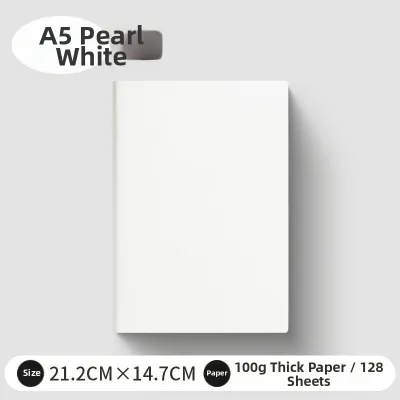
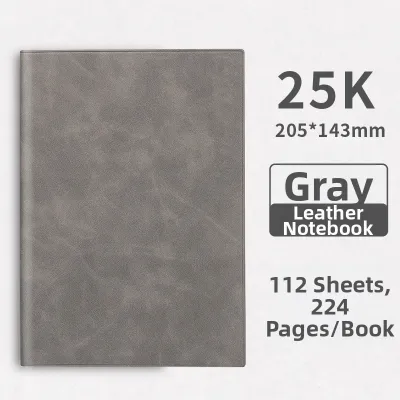
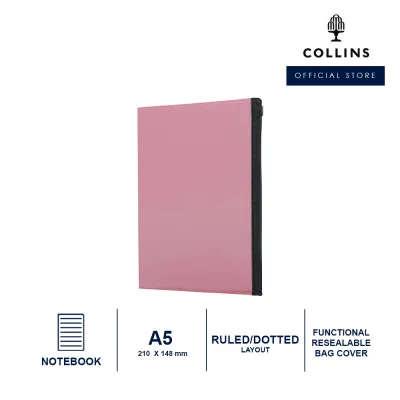
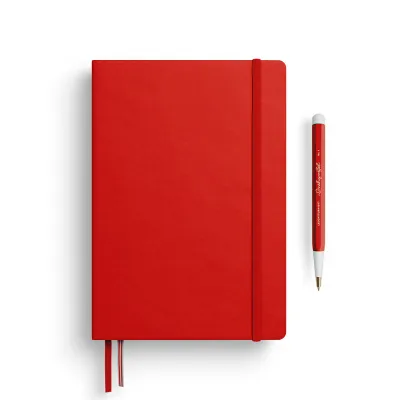
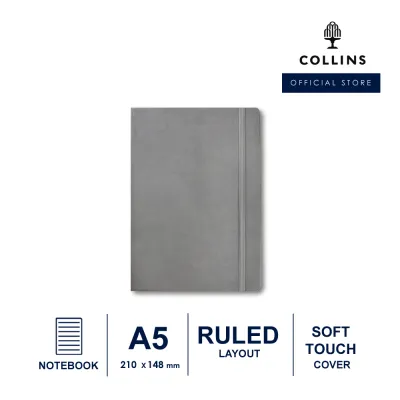
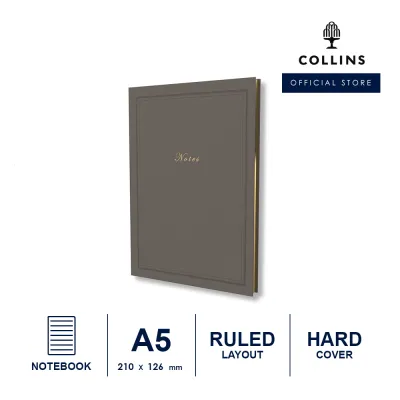
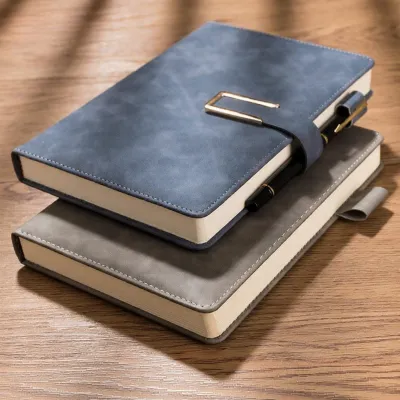
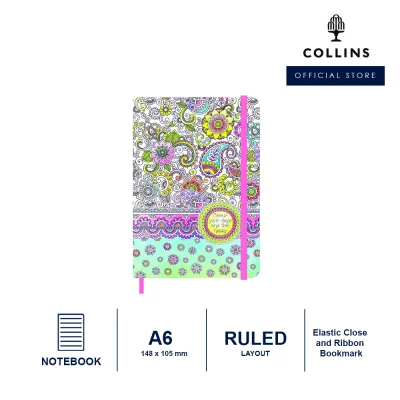
Prices are valid at publication and may change. Please refer to the product page for the latest price.
Portability is another critical factor to weigh against archival needs. If you carry your notebook daily in a backpack or tote bag through transit stations, you need a durable cover and a secure closure mechanism to protect the pages from bending. For desk-bound archiving, a heavier, thicker notebook with a rigid spine may be more appropriate, even if it is too bulky to carry comfortably.
Finally, consider how you physically interact with the page. Left-handed writers, sketchers, and those who regularly scan their notes benefit immensely from notebooks that lay completely flat when opened. If a notebook has a stiff, glued binding that resists staying open, you will constantly fight the pages, which can lead to hand fatigue and uneven writing.
Comparing Paper Quality and Ink Performance
Paper quality is not merely about thickness; it is a combination of weight, surface finish, and manufacturing treatments. When browsing notebooks in Singapore, the most common specification you will see on product labels is paper weight, measured in grams per square meter (GSM). While higher GSM often indicates a thicker, more opaque sheet, it does not automatically guarantee resistance to ink bleeding.

For everyday writing with ballpoint pens, paper weighing between 70 GSM and 80 GSM is generally sufficient and keeps the notebook lightweight. If you prefer gel pens, rollerballs, or light fountain pens, look for paper in the 80 GSM to 100 GSM range to minimize ghosting, which is when writing is visible on the reverse side of the page. For heavy ink applications, watercolor washes, or thick markers, paper weights of 120 GSM to 160 GSM provide the necessary barrier to prevent ink from ruining subsequent pages.
The surface finish, or “tooth,” of the paper significantly alters the writing experience. Ultra-smooth paper reduces friction, allowing fountain pens and gel pens to glide effortlessly across the surface, which is excellent for fast, cursive writing. However, this smooth finish can prolong ink drying times, increasing the risk of smudging, especially for left-handed writers. Textured paper, which has more tooth, provides tactile feedback that many pencil and ballpoint users prefer, though it can cause fountain pen nibs to catch or feel scratchy.
To verify how a new notebook brand handles your specific pen collection, perform a simple ink test on an inconspicuous back page. Draw a solid block of ink, write a few words at your normal speed, and observe how long the ink takes to dry completely. Check the reverse side of the page for ghosting or physical bleed-through, and look closely at the edges of your letters to see if the ink has feathered into the paper fibers.
Evaluating Build, Binding, and Cover Durability
The structural integrity of an A5 notebook determines how well it survives daily handling and whether pages will eventually detach. The binding method is the most critical component of this construction. Thread-sewn bindings, where folded sheets of paper are stitched together in sections before being attached to the spine, offer the highest durability and allow the notebook to lay flat naturally.
In contrast, purely glued bindings, often found in budget notebooks, rely on a strip of adhesive along the spine to hold individual pages. Over time, especially when exposed to temperature fluctuations, glue can become brittle, causing pages to fall out when the notebook is opened wide. Some modern brands use a hybrid Smyth-sewn and glued method, which combines the security of stitching with the clean look of a structured spine.
Cover materials should be selected based on your typical usage environment and aesthetic preferences. Hardcovers made from thick cardboard wrapped in book cloth or synthetic leather offer maximum protection for the pages inside, allowing you to write comfortably on your lap without a desk. Softcovers, made from flexible cardstock or thin plastics, are significantly lighter and conform easily to packed bags, though they offer less structural support.
Do not overlook the utility of integrated accessories when evaluating a notebook’s build. An elastic closure band prevents the notebook from flying open in your bag, protecting the page edges from crumpling. Ribbon markers allow you to flip instantly to your current page, while an expandable pocket inside the back cover provides a convenient place to store loose receipts, business cards, or small rulers.
Assessing Value and Price Positioning
A5 notebooks in Singapore span a wide pricing spectrum, and finding the right balance depends on your budget and how you intend to use the pages. Budget options, often sold in multi-packs at local supermarkets or general stationery shops, typically cost under S$5 per unit. These are excellent for temporary calculations, rough drafts, or lecture notes that will eventually be digitized or discarded.
Mid-range notebooks, generally priced between S$10 and S$25, often feature better paper quality, sturdier covers, and sewn bindings. This tier is highly popular among professionals and students who want a reliable daily journal or meeting notebook that feels pleasant to write in but remains affordable enough to replace several times a year.
Premium and heritage notebooks can range from S$30 to over S$50, often featuring specialized, imported paper, genuine leather covers, or highly durable archival bindings. While the initial cost is higher, these notebooks are designed for long-term preservation, such as personal diaries, creative writing portfolios, or professional logs that you intend to keep on a shelf for decades.
To make an objective comparison between brands with different price points, calculate the cost-per-page metric. Divide the retail price by the total number of pages to see exactly what you are paying for each sheet of paper. You may find that a slightly more expensive notebook with 240 pages offers better long-term value than a cheaper notebook that only contains 80 pages.
Decision Framework: Choosing Your Ideal A5 Notebook
To select the right A5 notebook, match your specific writing habits and environmental needs to the strengths of different brand categories. If you prioritize archival durability, lay-flat binding, and thick paper that can handle heavy ink without bleeding, look toward premium heritage brands. These notebooks are built to last and provide a reliable canvas for fountain pens and artistic layouts, though they require a higher initial investment.
If your writing style favors ultra-smooth paper, lightweight portability, and precise grid layouts, specialized Asian stationery brands are often the most suitable choice. These brands frequently use thin, highly engineered paper that resists ink feathering despite its light weight, making them exceptionally compact for daily carry. However, the smooth coating on these papers can result in longer ink drying times, which requires patience or the use of blotting paper.
For high-volume note-taking, rough brainstorming, or situations where you need to tear out pages frequently, everyday budget brands are the most practical option. These notebooks allow you to write freely without worrying about the cost of each page, though you should expect some ghosting if you use wet gel pens or fine-liners.
Before purchasing a large quantity of any notebook brand, buy a single unit to test with your favorite pens. Paper formulas can change slightly between manufacturing batches, and an in-person test is the only definitive way to ensure your ink dries quickly and does not bleed through the pages.
Frequently Asked Questions (FAQ)
Does the A5 size fit standard planner inserts and covers?
Standard A5 notebooks measure exactly 148 mm by 210 mm, which is a universal international paper standard. However, some proprietary planner systems and binder covers use slightly different dimensions or unique ring-binding configurations that may not accommodate a standard A5 notebook. Always measure the interior dimensions of your planner cover and check the manufacturer’s specifications before attempting to slide a new notebook into an existing system.
How can I prevent my notebook pages from warping in humid climates?
Singapore’s high relative humidity can cause paper fibers to absorb moisture from the air, leading to wavy page edges and a limp cover. To protect your notebooks, store them flat rather than upright on shelves, as the weight of the notebook helps keep the pages pressed tight. Keep your active notebooks in dry, air-conditioned rooms when possible, and consider placing small silica gel packets inside your storage drawers or backpack compartments to absorb excess moisture.

Community discussion
Share your experience or ask a question. Comments are reviewed before publication.