
Finding the perfect notebook is rarely just about the cover design or the binding; it is fundamentally about how the paper behaves under the tip of your favorite pen. Moleskine, Leuchtturm1917, and Rhodia represent three of the most popular premium notebook brands available today, yet each offers a distinct writing experience. Choosing between them requires looking beyond brand prestige to examine how their specific paper weights, coatings, and textures interact with different ink formulations. If you write with a standard ballpoint, your needs will differ vastly from someone using a wet fountain pen or a highly saturated gel pen. By understanding the physical properties of these papers, you can avoid the frustration of feathered lines, ink bleeding, and excessive ghosting on the reverse side of your pages.
Understanding Paper Weight and Texture Differences
To predict how a notebook will handle your writing instruments, you must first understand the technical specifications listed on the packaging. The most common metric used to measure paper thickness is GSM, which stands for grams per square meter. While a higher GSM generally indicates a thicker, heavier sheet of paper that is more resistant to ink showing through to the other side, it is not the sole indicator of paper quality. Thicker paper can still absorb ink like a sponge if it lacks the proper surface treatment, leading to fuzzy, spread-out lines known as feathering. Therefore, GSM should always be evaluated alongside the paper’s finish and sizing.
The texture of the paper, often described as its “tooth,” plays a critical role in how a pen glides across the page. Smooth, coated, or heavily sized papers have a sealed surface that prevents ink from immediately soaking into the fibers. This keeps the ink sitting on top of the page, preserving sharp lines and vibrant colors, though it typically extends the drying time. Conversely, toothy or uncoated papers offer more tactile feedback, creating a pleasant resistance or “bite” when writing with pencils or fountain pens. However, because these papers are more porous, they can draw ink out of a pen more rapidly, which may accelerate drying times but increases the risk of bleed-through.
Products mentioned in this guide
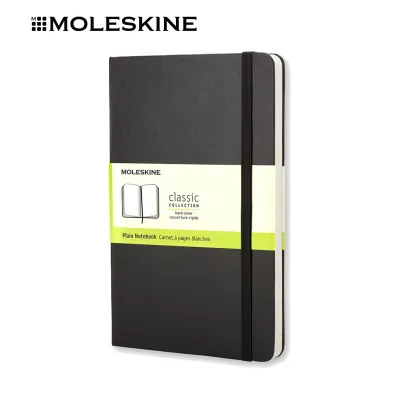
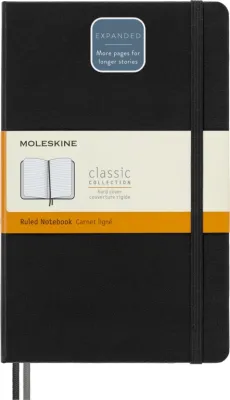
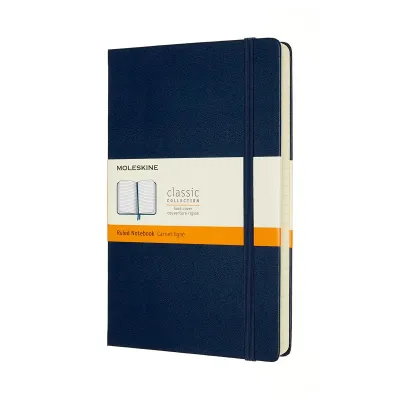
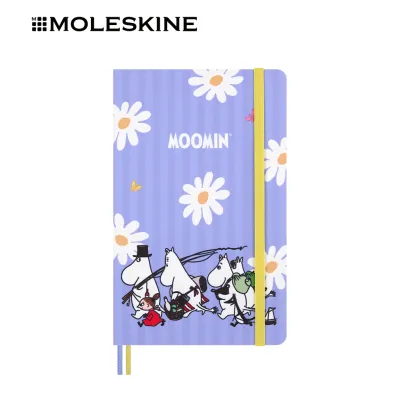
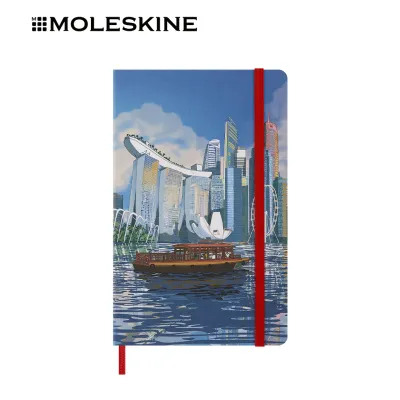
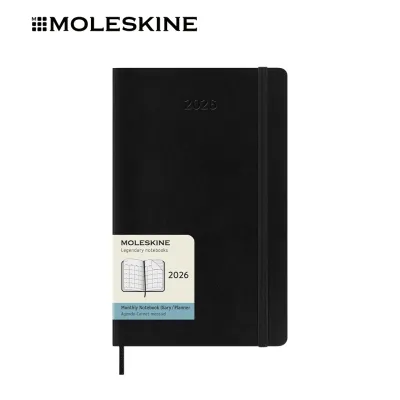
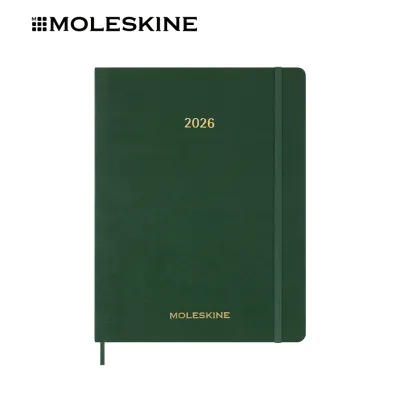
Prices are valid at publication and may change. Please refer to the product page for the latest price.
When shopping for a new notebook, look closely at the manufacturer’s labels for terms like “acid-free” and “fountain-pen-friendly.” Acid-free paper is chemically treated to resist yellowing and deterioration over time, making it essential for archival journaling. However, labels claiming a paper is “fountain-pen-friendly” or “ink-resistant” are subjective and not governed by universal standards. You should treat these claims as invitations to verify the paper yourself, as a sheet that performs beautifully with a fine-point gel pen might still struggle under the heavy flow of a broad-nib fountain pen.
Evaluating Ink Performance and Bleed-Through Risks
Evaluating how a paper handles your specific writing tools requires a basic understanding of ink chemistry. Fountain pens utilize water-based inks that flow freely and require a paper with high ink resistance to prevent the liquid from spreading laterally (feathering) or soaking completely through the sheet (bleed-through). Gel pens use a water-based suspension gel that is highly pigmented and viscous, requiring a balance of absorption and surface smoothness. Ballpoint pens, on the other hand, rely on oil-based inks that are thick and dry almost instantly, making them highly compatible with almost any paper type, regardless of thickness or coating.

To determine if a notebook fits your workflow, perform a standardized swatch test on a back page or an inconspicuous area. Begin by drawing a simple grid using your primary writing instruments, applying normal writing pressure. Observe how the ink behaves immediately after contact: does it remain sharp and crisp, or do the edges of the lines begin to branch out like tiny tree roots? Next, turn the page over to evaluate two distinct phenomena: ghosting (also known as show-through) and actual bleed-through. Ghosting occurs when you can see the shadow of the writing on the reverse side, which is common in thinner papers but still allows you to write on both sides. Bleed-through occurs when the ink physically penetrates the paper fibers, leaving spots or pools of ink on the back, which renders the reverse side unusable.
It is also vital to recognize that the ink formulation itself can drastically alter how a paper performs. For instance, iron gall and pigmented inks are formulated to sit on top of the paper fibers and resist spreading, making them highly cooperative even on less-than-ideal paper stocks. Standard dye-based inks, particularly those with high saturation or lubricating properties, are much more prone to feathering and bleeding. Because of these chemical variations, a notebook that works perfectly with one blue ink might fail with a different brand’s blue ink, highlighting the necessity of personal testing before committing to a bulk purchase.
Comparing Brand-Specific Paper Characteristics
While all three brands occupy a premium space in the stationery market, they target different writing preferences and use cases. Moleskine is celebrated for its classic aesthetic and travel-ready formats, Leuchtturm1917 is favored by bullet journalers for its organizational features, and Rhodia is the darling of calligraphers and fountain pen enthusiasts who demand pristine ink handling. However, because paper manufacturing is subject to variations in raw materials and regional production batches, it is important to treat each brand’s standard profile as a general guide rather than an absolute guarantee.
Moleskine Paper Profile
Classic Moleskine notebooks typically feature cream-colored paper with a standard weight of 70 GSM and a very smooth, ivory finish. This smooth surface allows ballpoint pens, rollerballs, and fine-liners to glide effortlessly across the page without catching. The paper is highly pleasant for rapid note-taking, sketching with pencils, and using dry, viscous inks that do not oversaturate the fibers.
However, because of its relatively low GSM and light sizing, standard Moleskine paper is highly susceptible to ghosting and bleed-through when paired with wet writing instruments. If you prefer using fountain pens, broad gel pens, or wet liquid-ink rollerballs, you will likely observe significant feathering and show-through on the reverse side. To accommodate wetter media, you must verify the specific product line before buying; Moleskine’s specialized art journals and heavier sketchbooks feature significantly thicker paper stocks designed to handle wet media.
Leuchtturm1917 Paper Profile
Leuchtturm1917 notebooks generally utilize an 80 GSM paper that features a slightly off-white, warm cream tone. The paper has a subtle texture or “tooth” compared to its competitors, providing a distinct tactile feedback that many writers appreciate, particularly when using fountain pens or sharp pencils. This texture helps control the pen tip, resulting in more deliberate and structured handwriting.
While the 80 GSM weight offers slightly better resistance to bleed-through than thinner alternatives, ghosting remains a common characteristic of standard Leuchtturm1917 pages. If you use wet fountain pen nibs or dark gel inks, you will likely see a clear shadow of your writing on the back of the page, though actual ink bleed-through is usually minimal. For those who find ghosting distracting, the brand also offers specialized editions featuring 120 GSM paper, which provides a much more opaque writing surface while maintaining the brand’s signature texture.
Rhodia Paper Profile
Rhodia notebooks are famous for their exceptionally smooth, high-grade vellum paper, which is typically sourced in weights of 80 GSM or 90 GSM. This paper features a bright white or soft cream finish that is heavily sized, creating a protective barrier that prevents ink from penetrating deep into the paper fibers. As a result, even the wettest fountain pens and gel pens produce crisp, sharp lines with virtually zero feathering or bleed-through.
The trade-off for this ultra-smooth, ink-resistant surface is a significantly longer drying time. Because the ink sits on top of the coated surface rather than absorbing quickly, you must exercise caution to avoid smudging your work, a factor that is especially critical for left-handed writers. If you use highly saturated inks or wide calligraphy nibs on Rhodia paper, keeping a sheet of blotting paper handy is an excellent practice to prevent accidental transfers when closing the notebook.
Decision Framework: Matching Your Pen to the Notebook
Selecting the right notebook comes down to aligning your primary writing tools with the paper characteristics that support them. If your daily writing kit consists primarily of standard ballpoint pens, mechanical pencils, or dry fine-liners, Moleskine offers a highly functional and widely available format. Its smooth, lightweight paper is perfectly suited for these dry mediums, allowing you to write quickly without worrying about ink spreading or bleeding through the pages.
If you prefer a balanced, tactile writing experience and use a variety of pens—including fine-nib fountain pens, gel pens, and ballpoints—Leuchtturm1917 serves as an excellent middle ground. The slight tooth of the paper provides satisfying feedback, and the robust binding and numbered pages make it ideal for structured journaling. While you should expect some moderate ghosting with wetter inks, the physical integrity of the paper prevents actual bleed-through under normal writing conditions.
For writers whose primary tools are wet fountain pens, broad gel pens, or liquid ink rollerballs, Rhodia is the most reliable choice. Its heavily coated, ultra-smooth surface ensures that your ink colors remain vibrant and your lines stay perfectly sharp without feathering. This is also the preferred option if you enjoy using specialized inks, such as those with shading or sheen properties, as the coating allows these unique visual characteristics to develop fully on the page.
Regardless of the brand you choose, always verify your specific pen and ink combination before starting a major project. If you plan to use highly specialized inks—such as shimmering inks, iron gall formulas, or extremely broad calligraphy nibs—a personal swatch test on a back page remains the only foolproof way to guarantee compatibility. No manufacturer specification can fully account for the unique chemistry of every ink and pen pairing on the market.
Verifying Paper Specs and Purchasing Considerations
Before purchasing your next notebook, especially when shopping online or ordering in bulk, take a moment to verify the exact paper specifications listed in the product description. Do not rely solely on the brand name, as most manufacturers offer multiple product lines with vastly different paper weights and finishes. Look for explicit GSM ratings and check if the product description mentions specific treatments, such as acid-free processing or ink-resistant coatings.
Additionally, consider how the notebook’s binding type will affect your writing comfort and ink application. A notebook that does not lay flat can cause ink to pool near the center gutter, leading to localized bleeding and smudging as your hand struggles to maintain a consistent angle. Thread-bound notebooks generally offer the best lay-flat performance, whereas glued or tightly bound hardcovers may require significant breaking-in before they sit flat on your desk.
Finally, always review the return policy of your chosen retailer before making a purchase, particularly if you are buying premium notebooks in the S$20 to S$40 price range. Because paper performance is highly subjective and dependent on your personal writing style, having the option to return or exchange an unused notebook ensures you are not stuck with paper that does not suit your favorite pens. When your order arrives, perform a gentle ink test on the very last page before fully committing to the notebook.
Frequently Asked Questions (FAQ)
Does a higher GSM always mean better paper for fountain pens?
Not necessarily. While a higher GSM indicates thicker paper that is highly effective at reducing ghosting and preventing bleed-through, it does not guarantee that the paper will resist feathering. The critical factor for fountain pen compatibility is the paper’s sizing and surface coating, which prevents the liquid ink from spreading along the paper fibers. A well-coated 80 GSM paper can perform significantly better with wet inks than an uncoated, highly absorbent 120 GSM paper.
Can I use marker pens in these premium notebooks?
Standard notebook papers from these brands are generally not designed to handle alcohol-based markers, which are highly penetrative and will bleed through almost any standard writing paper. If you must use markers for highlighting or sketching, opt for water-based markers or mild liners, which are much less likely to penetrate the page. Alternatively, place a thick plastic sheet or a heavy piece of cardstock directly beneath your active page to protect the subsequent sheets from accidental ink transfer.
Community discussion
Share your experience or ask a question. Comments are reviewed before publication.