
Selecting the right calendar or planner for 2027 requires balancing personal organization habits with physical product specifications. A planner is more than just a collection of dates; it is a daily tool that must withstand frequent handling, accommodate your preferred writing instruments, and fit seamlessly into your lifestyle. Whether you are tracking professional milestones, managing household schedules, or cultivating a creative journaling habit, finding the ideal layout and paper quality is essential. By evaluating key physical attributes, understanding how different planner styles align with your workflow, and considering local environmental factors, you can confidently select a tool that keeps you organized throughout the year.
Defining Your Planning Needs for 2027
To find the perfect planner, you must first clarify how you process information and structure your days. Planning styles generally fall into three categories: micro-scheduling, macro-overview, and goal-oriented tracking. Daily planners offer dedicated pages for each day, making them ideal for individuals with packed schedules, detailed to-do lists, or those who practice daily journaling. Weekly planners, on the other hand, present a two-page spread of the entire week, allowing you to see upcoming deadlines and appointments at a glance. If your primary goal is long-term project management or tracking high-level milestones, a monthly calendar or a slim monthly planner may be sufficient.
Beyond the time horizon, consider the specific layout structure that supports your cognitive style. Time-blocking layouts feature hourly or half-hourly intervals, which are highly effective for professionals and students who need to allocate specific time slots to tasks. If you prefer a more flexible approach, a bullet-journal-style dotted grid or a blank page layout allows you to design your own spreads as your needs evolve. For those focused on personal growth, look for planners that integrate dedicated sections for habit tracking, monthly reflections, and goal setting.
Products mentioned in this guide
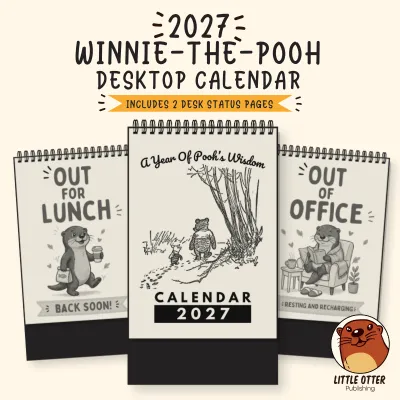
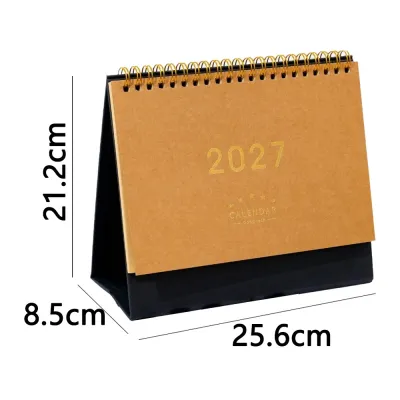
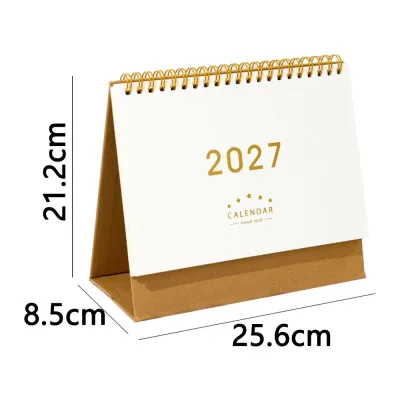
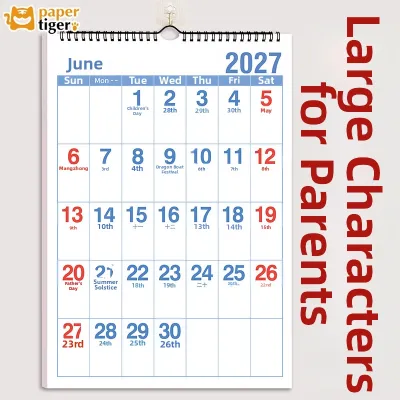
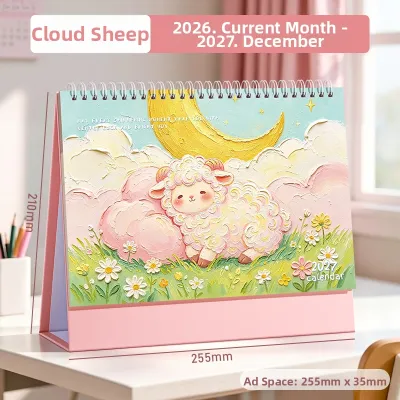
Prices are valid at publication and may change. Please refer to the product page for the latest price.
Portability is another critical factor. A comprehensive, page-a-day planner in a larger desktop size provides ample writing space but can be heavy and cumbersome to carry daily. If you frequently commute or work across multiple locations, a compact A5 or A6 pocket-sized planner offers a practical balance between writing area and portability. Assess whether your planner will remain anchored to your desk or if it needs to slip easily into a daily carry bag.
Key Features to Evaluate Across Planner Brands
When comparing different planner options, physical specifications directly impact your daily writing experience. The most critical component is paper quality, typically measured in grams per square meter (gsm). Light paper (around 52 gsm to 68 gsm) is common in high-page-count daily planners because it keeps the book slim and lightweight. However, thin paper is more prone to “ghosting”—where writing is visible on the reverse side of the page—and requires specific inks to prevent bleeding. Medium-weight paper (80 gsm to 100 gsm) offers a versatile middle ground, while heavy paper (120 gsm and above) is excellent for heavy ink applications, fountain pens, and artistic media, though it results in a much thicker planner.

To ensure a smooth writing experience, you must also evaluate how the paper interacts with your preferred writing instruments. Fountain pen users should look for paper with high ink resistance and sizing, which prevents “feathering” (where ink spreads along the paper fibers) and bleed-through. Gel pens and rollerballs require paper with a reasonable drying speed to prevent smudging, especially for left-handed writers. If you prefer oil-based ballpoints or pencils, a slightly toothier paper texture provides better feedback and control than ultra-smooth, coated papers.
The binding method determines how easily the planner opens and stays flat on your desk. Thread-bound (Smyth-sewn) planners are highly durable and allow the book to lay completely flat, ensuring you can write comfortably near the center margin without fighting the spine. Spiral or wire-o binding also lays flat and allows you to fold the planner back on itself, saving desk space, though the metal or plastic coils can sometimes interfere with your hand while writing. Disc-bound and ring-bound systems offer the ultimate flexibility, allowing you to add, remove, or rearrange pages, but they require specialized punches and can be bulkier.
Finally, examine the cover materials and overall construction. If your planner travels with you daily, a durable hardcover made of book cloth, heavy-duty cardboard, or synthetic leather protects the pages from bending and tearing. Softcover planners are lighter and more flexible but may require a protective PVC or plastic sleeve to prevent wear along the edges. Look for functional details such as elastic closure bands, ribbon markers to keep your place, and expandable back pockets for storing loose receipts or sticker sheets.
Matching Brand Profiles to Planning Styles
Planner brands generally design their products around specific user personas, and identifying these design philosophies helps narrow down your choices. Minimalist and productivity-focused brands prioritize clean, distraction-free layouts. These planners often feature muted color palettes, subtle typography, and structured grids designed to optimize focus. They typically omit decorative elements in favor of functional tools like index pages, numbered sheets, and precise time-blocking columns. If you use your planner primarily for professional task management and prefer a sleek, corporate aesthetic, look for brands that emphasize structured efficiency and high-contrast, clean printing.
For those who view planning as a creative outlet, customizable and journaling-focused brands offer the ideal canvas. These products often feature dotted or blank pages, allowing you to combine scheduling with sketching, hand lettering, and memory keeping. Brands in this category frequently use paper specifically engineered to handle wet media, such as fountain pen inks, markers, and light watercolor washes, without warping or bleeding. Modular planning systems, which allow you to insert multiple slim notebooks into a single leather cover, are also popular among creative planners who want to separate work notes, personal journals, and monthly calendars within a single, customizable system.
If your life involves managing multiple complex projects, family schedules, or detailed daily logs, comprehensive daily organizers are the most suitable option. These brands focus on providing maximum writing space, often dedicating a full page to each day alongside monthly and weekly overviews. They frequently include built-in tracking tools for budget management, meal planning, fitness goals, and project timelines. Because these planners contain a large volume of pages, they often utilize specialized, ultra-thin paper to keep the overall book portable, or they are sold in multi-volume sets (such as half-year books) to prevent the planner from becoming too heavy.
Local Considerations for Buying in Singapore
Purchasing a pre-printed calendar or planner in Singapore requires attention to specific local details that international brands might overlook. First, verify whether the planner includes Singapore public holidays and school term schedules. Many mass-market planners printed overseas default to US, UK, or Japanese holiday calendars. While you can manually write in local holidays, having Singapore’s official gazetted holidays pre-printed saves time and prevents scheduling conflicts. Look for local distributors or regional editions that specifically cater to the Singapore market, or opt for undated planners where you can customize the calendar yourself.
Singapore’s tropical climate, characterized by high relative humidity that frequently exceeds 80%, presents a unique challenge for paper products. High humidity can cause paper fibers to absorb moisture from the air, leading to warping, page curling, and a noticeable softening of the paper. This moisture absorption can also alter how ink behaves, causing gel and fountain pen inks to dry much slower or feather more easily than they would in a drier climate. To mitigate this, look for planners with high-quality, coated papers that resist moisture absorption, or store your planner in a protective sleeve when not in use. Covers made of water-resistant materials like PVC, polyurethane (PU) leather, or treated canvas are also highly recommended over untreated book cloth or raw cardboard, which can attract mold over time.
When sourcing your 2027 planner, consider the logistics of availability and shipping. While local stationery boutiques and major bookstores in Singapore carry a curated selection of popular international brands, specialized layouts or limited-edition covers may only be available directly from overseas manufacturers. When ordering internationally, factor in shipping costs and delivery times, which can take anywhere from a few days to several weeks. Additionally, check the return policies of international retailers, as returning a heavy paper product due to a shipping error or damage can be costly. Purchasing from local stockists or official brand stores within Singapore often provides a more reliable return path and faster customer service.
Finalizing Your 2027 Planner Shortlist
To make your final decision, create a structured comparison based on your prioritized needs. Begin by listing your non-negotiable features—such as a specific layout (e.g., weekly vertical), a maximum size (e.g., A5), or a minimum paper weight (e.g., 100 gsm). Once you have filtered out options that do not meet these criteria, establish a realistic budget. High-quality planners in Singapore typically range from S$15 for basic, functional designs to S$80 or more for premium, imported leather-bound or highly specialized systems. Remember to factor in the cost of necessary accessories, such as protective covers, specialized pens, or binder refills, when calculating your total investment.
Before committing to a single planner for the entire year of 2027, conduct a physical or visual trial if possible. Visit local stationery stores to feel the paper texture, test the weight of the book in your hand, and observe how easily the binding lays flat. If you are purchasing online, look for downloadable sample pages provided by many brands, which you can print out to test the layout and spacing. If you are transitioning to a new paper type or brand, consider purchasing a slim, inexpensive notebook from the same brand first to perform a “pen test” with your favorite writing instruments, ensuring the ink behaves exactly as you expect before you begin writing your 2027 plans.
Frequently Asked Questions (FAQ)
When is the best time to buy 2027 planners?
The optimal time to purchase your 2027 planner is typically between September and November of the preceding year. Most major stationery brands release their upcoming calendar collections during this window, offering the widest selection of layouts, cover designs, and limited editions. Buying early ensures you secure your preferred style before popular designs sell out. If you are looking for discounts, late-year clearance sales in December or post-holiday promotions in January can offer significant savings, though your choice of layouts and covers will be much more limited.
Can I use a non-dated planner for 2027?
Yes, undated planners are an excellent alternative to traditional dated calendars. They offer complete flexibility, allowing you to start planning at any point in the year without wasting pages if you skip a week or a month. This format is highly beneficial for project-based planning or for individuals whose scheduling needs fluctuate throughout the year. However, the primary trade-off is the convenience of pre-printed dates; you will need to manually write in the dates, days of the week, and holidays for 2027, which can be time-consuming and leaves room for manual dating errors.

Community discussion
Share your experience or ask a question. Comments are reviewed before publication.