
A NETS FlashPay card is a versatile, contactless stored-value card widely used for everyday transactions across Singapore. Designed to simplify daily micro-payments, this reloadable card allows you to pay for public transit, retail purchases, dining, and motoring expenses with a simple tap. Whether you are commuting to work, grabbing a quick lunch, or paying for parking, the card eliminates the need to carry loose change or wait for credit card authorization.
To use the card successfully, you simply need to look for the corresponding contactless payment logo at the point of sale. While acceptance is extensive, it is always subject to the specific merchant’s terminal setup. Understanding where and how to use your card ensures a seamless daily routine without payment hiccups.
Public Transit and Daily Commuting
Navigating Singapore’s public transport network is exceptionally convenient with a contactless stored-value card. You can use your card to pay for rides on all public buses and Mass Transit (MRT) or Light Rail Transit (LRT) trains. When entering a train station or boarding a bus, simply tap your card against the green contactless reader at the gantry or door. The system will register your entry, and you must tap the exact same card again upon exiting to complete the transaction.
Products mentioned in this guide
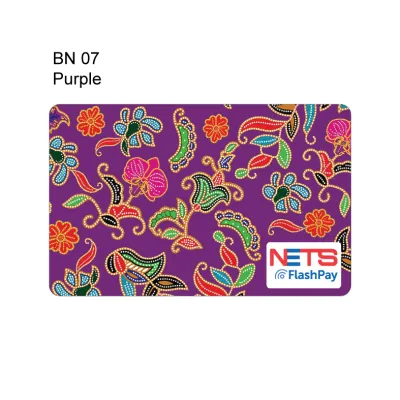
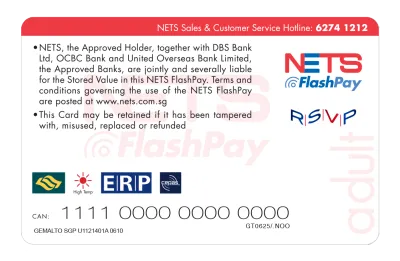
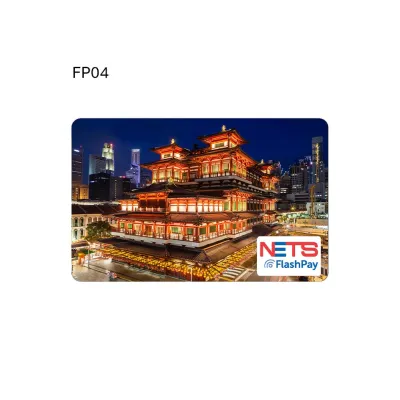
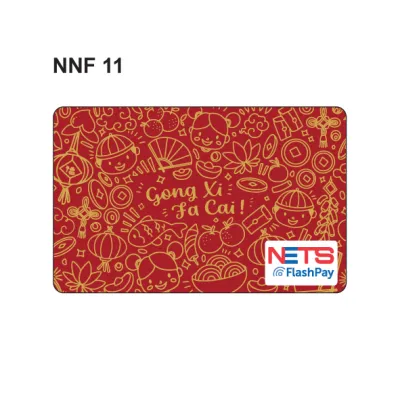
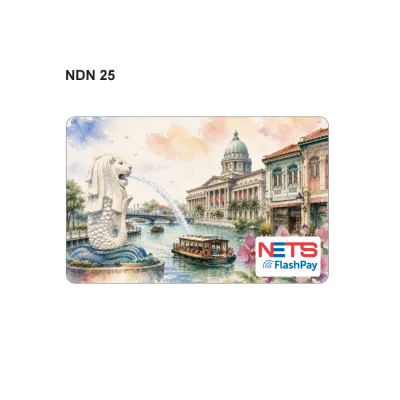
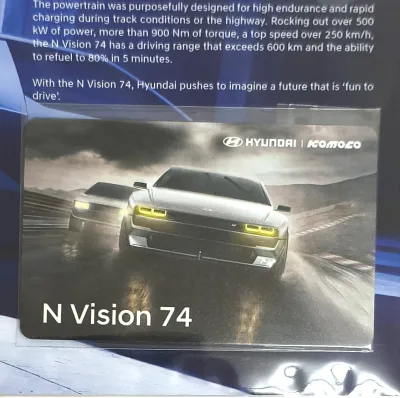
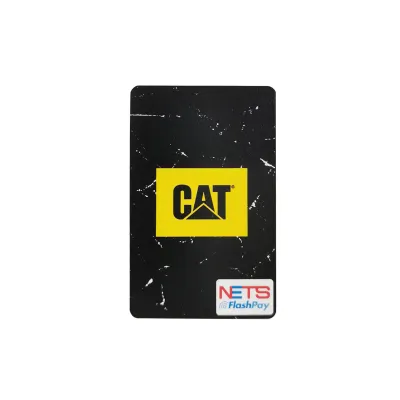
Prices are valid at publication and may change. Please refer to the product page for the latest price.
Tapping in and out with the same physical card is crucial for correct fare calculation. If you fail to tap out, or if you accidentally use a different card or mobile device at the exit gantry, the system will charge a maximum flat fare for the journey. Keeping your card easily accessible and separate from other contactless cards in your wallet prevents “card clash,” where multiple cards are read simultaneously, leading to double charges or entry failures.
For point-to-point commuting, many taxis and private hire vehicles also accept this payment method. However, because individual vehicle terminals can vary, it is highly recommended to verify with the driver before starting your journey. Look for the payment decal on the passenger window or ask the driver if their onboard terminal is active and configured to accept contactless payments.
Retail, Dining, and Daily Essentials
Beyond commuting, the card serves as a swift payment tool for your daily shopping and dining needs. Major supermarket chains, convenience stores, and pharmacies across the island support contactless transactions at their checkout counters. Instead of counting physical cash, you can complete your grocery runs or quick snack purchases by tapping your card on the terminal reader when prompted by the cashier.

In the dining sector, you will find widespread acceptance at food courts, hawker centres, and quick-service cafes. Many modern food stalls are equipped with unified point-of-sale terminals that consolidate various payment methods, including contactless cards. This makes grabbing a quick local meal or a morning coffee incredibly efficient, as you do not have to handle physical coins while managing food trays.
Automated retail environments also heavily utilize this contactless technology. You can use your card at various vending machines, self-service photo booths, and automated ticketing kiosks. Before attempting to pay, check the machine’s digital screen or physical interface for the payment logo, select your item, and tap your card on the designated reader to complete the instant deduction.
Motoring: Parking, Petrol, and Tolls
For drivers and motorcyclists, the card is an essential tool for managing vehicle-related expenses. One of its primary motoring applications is paying for parking at shopping malls, commercial office buildings, and public housing carparks. Most modern carparks in Singapore utilize the Electronic Parking System (EPS), which automatically reads the card when it is properly inserted into your vehicle’s In-Vehicle Unit (IU) or when you tap it at the exit gantry reader.
Fuel purchases can also be settled quickly using this contactless method. When visiting participating petrol stations, you can pay for your fuel either directly at the outdoor pump terminal (if equipped with a compatible reader) or by presenting your card to the cashier at the main retail counter. This flexibility allows you to refuel and get back on the road without unnecessary delays.
Additionally, the card is compatible with the Electronic Road Pricing (ERP) system. By keeping the card inserted into a compatible dual-mode In-Vehicle Unit (IU), road toll charges are automatically deducted as you drive under active ERP gantries. To avoid administrative fees or violations, drivers must regularly monitor their card balance to ensure there are sufficient funds to cover the toll charges along their route.
How to Verify Merchant Acceptance Before Tapping
Confirming whether a merchant accepts your card before reaching the front of the queue can save time and prevent awkward checkout situations. The most reliable method is to perform a quick visual check for the official payment logo. Merchants typically display these decals on entrance doors, cash registers, or directly on the physical payment terminals at the counter.
If you prefer to plan your journey in advance, you can utilize digital tools provided by the card issuer. The official mobile application and website feature merchant locators that allow you to search for participating outlets by category or location. This is particularly useful when visiting new neighborhoods or looking for specific dining and retail establishments that support contactless transactions.
When you are ready to pay at the counter, clear communication with the cashier is key. Inform the staff member that you wish to pay using your contactless card before tapping. The cashier must manually select the correct payment option on their point-of-sale terminal to activate the card reader. Tapping your card before the terminal is ready may result in a failed transaction or require you to tap a second time.
Limitations and When to Carry a Backup Payment Method
While the card offers extensive coverage for physical, everyday transactions, it does have distinct limitations that require you to carry alternative payment methods. The card is primarily designed for physical, contactless point-of-sale terminals and transit gantries. Consequently, it cannot be used for online e-commerce checkouts, as it lacks the standard 16-digit card number, expiration date format, and security codes required by digital payment gateways.
Geographic limitations also apply, as this is a localized payment solution designed specifically for use within Singapore. The card will not function on overseas public transport networks or at international retail terminals. Additionally, some small independent merchants, traditional wet market stalls, and temporary pop-up booths may operate on a cash-only basis or only accept specific QR-based bank transfers.
Physical card management is another factor to consider. Every card has a printed expiration date, after which it can no longer be used for transactions or transit rides. Physical wear and tear, such as deep scratches or bending, can also damage the internal antenna and render the card unreadable. If your card expires or becomes damaged, you will need to go through the official channels to request a balance transfer or refund.
To ensure you are never stranded without a way to pay, always carry a backup payment method in your wallet. A credit card, debit card, or mobile payment app linked to a global network provides the necessary coverage for high-value purchases, online shopping, and merchants that do not support local contactless card systems.
Frequently Asked Questions (FAQ)
Can I use my NETS FlashPay Card for online shopping?
No, you cannot use this card for standard online shopping or e-commerce checkouts. The card is designed specifically for physical, contactless point-of-sale terminals, transit gantries, and vehicle In-Vehicle Units. It does not feature the standard 16-digit credit card number, CVV security code, or online authentication protocols required by digital payment gateways to process online transactions securely.
What happens if my card expires or stops working?
If your card reaches its expiration date or suffers physical damage that prevents it from being read, you can no longer use it for daily spending or transit. You can check the expiry date printed on the back of the physical card. To recover any remaining stored value, you must submit a refund or balance transfer request through the issuer’s official channels, designated customer service touchpoints, or transit ticketing offices.

Community discussion
Share your experience or ask a question. Comments are reviewed before publication.