
In Singapore, ez-link cards are far more than just a tool for your daily commute. While these contactless stored-value cards were originally designed to streamline public transportation, their utility has expanded significantly across the city-state. Today, you can use an EZ-Link card to pay for a wide variety of daily expenses, ranging from quick snacks at convenience stores and groceries at supermarkets to meals at food courts, parking fees, and automated services.
Understanding where and how you can use your card helps you streamline your wallet, manage small-ticket daily spending, and navigate Singapore’s cashless landscape with ease. Whether you are a daily commuter looking to maximize your card’s utility or a resident evaluating your cashless payment options, this guide details every major scenario where EZ-Link is accepted, along with practical tips for seamless transactions.
Public Transit and Commuting: The Core Use Case
The primary function of ez-link cards remains rooted in Singapore’s highly efficient public transit network. Commuters rely on these cards for seamless travel across the Mass Rapid Transit (MRT) and Light Rail Transit (LRT) rail lines, as well as the extensive network of public buses operating across the island. The card serves as a fast, reliable pass that eliminates the need to carry exact physical coins for bus fareboxes or purchase single-trip tickets at station kiosks.
Products mentioned in this guide
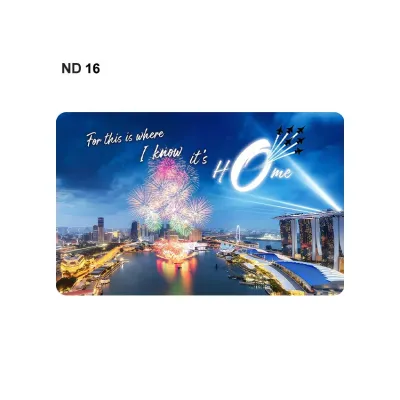
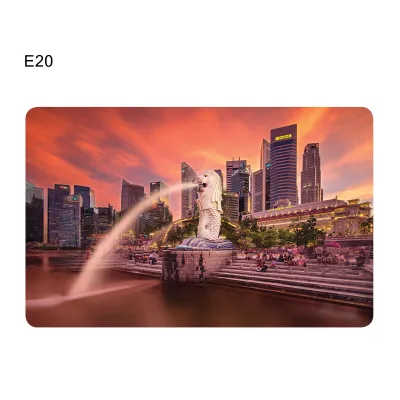
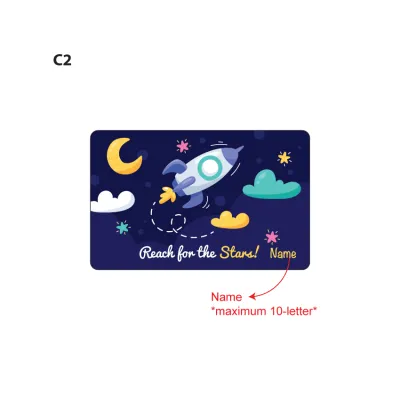
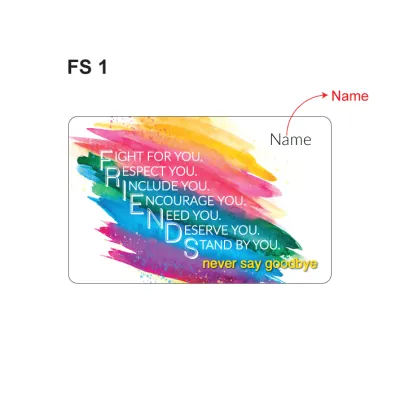
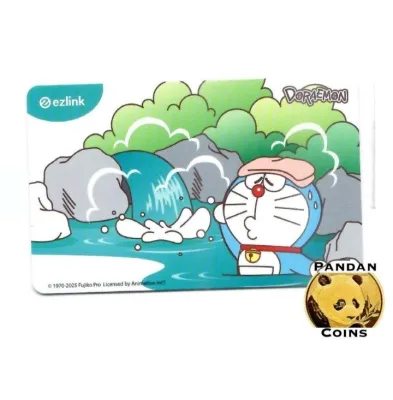
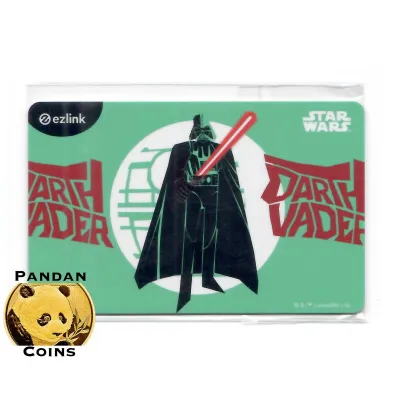
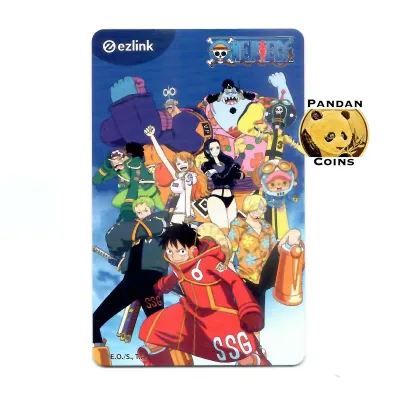
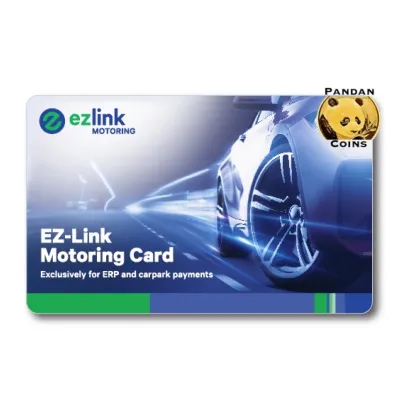
Prices are valid at publication and may change. Please refer to the product page for the latest price.
To ensure your fares are calculated correctly, you must tap your card on the reader when boarding a bus or entering an MRT/LRT station, and tap out again when alighting or exiting. This tap-in and tap-out mechanism allows the distance-based fare system to compute the exact cost of your journey. Failing to tap out properly results in a penalty fare, which typically charges the maximum possible route fare for that particular bus service or train journey.
The transit landscape in Singapore operates under the SimplyGo system, which integrates account-based ticketing. Traditional EZ-Link cards work alongside contactless bank cards, mobile wallets, and SimplyGo-compatible EZ-Link cards. It is important to note that while these systems exist under the same transit umbrella, traditional stored-value cards and contactless bank cards operate on distinct payment frameworks; you cannot merge balances or transfer funds directly between a bank card and a physical EZ-Link card.
Convenience Stores and Supermarkets: Quick Daily Purchases
Beyond transit stations, ez-link cards serve as a rapid payment method at major convenience store chains across Singapore. Outlets such as 7-Eleven and Cheers are primary retail partners where you can tap your card to purchase snacks, drinks, and personal care items. These convenience stores also double as physical top-up locations, allowing you to add funds to your card balance while picking up daily essentials.

In addition to convenience stores, selected major supermarket chains and neighborhood minimarts support EZ-Link transactions. This acceptance is particularly useful for small-basket grocery shopping, where you might only be purchasing a few items. Tapping your card at the checkout counter is often faster than waiting for cash change or navigating mobile banking applications to scan a QR code.
Despite wide acceptance, retail integration is not completely universal. Acceptance can vary depending on individual franchise ownership, specific terminal setups, or the store’s location. To avoid any inconvenience at checkout, always look for the distinctive blue-and-yellow EZ-Link payment decal displayed near the cashier counter or on the point-of-sale payment terminal.
Food Courts and Quick Bites: Dining Without Cash
When dining out, your EZ-Link card can often serve as your primary payment method at major food courts, fast-food chains, and popular quick-service cafes. Large-scale food court operators, such as Kopitiam, Food Republic, and Koufu, frequently equip their stalls and self-ordering kiosks with contactless card readers that accept EZ-Link. This integration makes grabbing a quick lunch during busy workdays highly efficient.
However, there is a clear boundary between corporate food courts and independent dining establishments. While major chain outlets and food courts support the card, independent hawker stalls located in hawker centers generally do not accept EZ-Link directly. Instead, these micro-merchants rely almost exclusively on SGQR codes (supporting PayNow and mobile banking apps) or traditional cash payments.
Using your card at participating food courts significantly reduces queue times, especially during peak lunch and dinner rushes. Many modern food courts feature dedicated cashless self-ordering lanes where tapping your card takes only a fraction of a second. Before joining a queue or placing an order, it is best practice to verify the accepted payment modes on the digital menu boards or check for the terminal decal at the stall.
Motoring Costs: Taxis, ERP, and Car Parks
For motorists and passengers, ez-link cards offer substantial utility on Singapore’s roads. Drivers can utilize specific compatible variants, such as the dual-mode EZ-Link card or the EZ-Link Motoring card, inside their vehicle’s In-Vehicle Unit (IU) or the newer On-Board Unit (OBU). This setup allows for automatic, seamless deductions when passing through Electronic Road Pricing (ERP) gantries during peak hours.
The same in-vehicle card integration applies to the Electronic Parking System (EPS) found in the vast majority of public and private car parks across Singapore. As you drive through the exit gantry of a car park, the system automatically reads the card inside your IU or OBU and deducts the exact parking fee. This system eliminates the need to roll down your window, retrieve physical parking tickets, or queue at payment machines before exiting.
If you prefer taking taxis, many major taxi fleets, including ComfortDelGro, accept EZ-Link cards via their in-cab payment terminals. However, passengers should always confirm terminal availability with the driver before commencing the journey, as individual terminals may occasionally experience connectivity issues. Additionally, be aware that taxi operators may apply an administrative surcharge or processing fee for card payments.
This physical tapping method differs from private-hire car services like Grab or Gojek, which process payments exclusively via their respective mobile apps linked to credit cards or digital wallets. Keeping a compatible card in your vehicle ensures you maintain a cashless driving experience without needing to carry excess coins or paper notes for daily transit fees.
Vending Machines and Self-Service Kiosks
The versatility of ez-link cards extends to automated self-service touchpoints scattered throughout Singapore. You will frequently find EZ-Link card readers installed on drink, snack, and ice cream vending machines located inside MRT stations, shopping malls, public parks, and office buildings. Tapping your card provides an instant way to purchase a refreshment without searching for loose coins.
Beyond food and beverage vending, various other automated services accept the card as a primary payment option. These include self-service laundromats, automated parcel collection lockers, photo booths, and public document printing kiosks. These automated terminals are highly convenient when you need to complete a quick task on the go without interacting with a service counter.
This automated payment method serves as an excellent backup option. If you find yourself without physical cash or if your mobile phone battery dies, your physical card remains fully functional because it does not rely on your phone’s power to complete a transaction. Because vending machines and kiosks rarely provide physical receipts, you can track your automated spending by checking your transaction history via the EZ-Link mobile app.
Practical Limits and Cross-Scenario Compatibility Tips
While ez-link cards are highly versatile, users should be aware of specific operational boundaries and limitations. Some retail merchants or food stalls enforce a minimum spend requirement—often around S$2 or S$5—for contactless card transactions to offset payment processing costs. It is always wise to check for store signage regarding minimum payment thresholds before reaching the cashier.
Another critical factor is balance management. If your transaction amount exceeds the current stored value on your card, the payment terminal will decline the transaction. Standard retail terminals do not support split-payment methods, meaning you cannot pay a single bill using a combination of your remaining EZ-Link balance and cash. Ensuring your card has a sufficient balance, or enabling the auto-top-up feature via the mobile app, prevents these inconvenient declines.
Physical cards also have a defined operational lifespan, typically expiring after five years. The stored value on an expired card is not lost; you can check your card’s expiry date using the EZ-Link mobile app or at any general ticketing machine. If your card has expired or is nearing its expiry date, you can transfer the remaining balance to a new card or request a refund by visiting a SimplyGo Ticket Office.
Finally, consider the compatibility of different card form factors. Besides standard plastic cards, EZ-Link offers wearable options like charms, smartwatches, and phone-based NFC variants. While transit readers are highly sensitive and easily read these alternative form factors, some older retail terminals or legacy vending machines may struggle to detect non-standard shapes. If you frequently use charms or wearables, keeping a standard physical card in your wallet ensures you are prepared for older terminals that require a flat card surface.
Frequently Asked Questions (FAQ)
What happens to the remaining balance if my EZ-Link card expires?
When an EZ-Link card reaches its five-year expiry date, the stored funds are not lost. You can easily check the expiry status of your card via the official mobile app or at any transit ticketing machine. To recover your funds, you can visit a SimplyGo Ticket Office at selected MRT stations to transfer the remaining balance to an active card or request a refund, subject to prevailing terms and conditions.
Can I use my Singapore EZ-Link card for transit or payments overseas?
No, standard EZ-Link cards are designed exclusively for domestic use within Singapore’s transit and retail networks. They are not accepted for public transport systems or retail transactions in other countries. When traveling abroad, you should plan to use locally accepted transit passes, cash, or international contactless bank cards.

Community discussion
Share your experience or ask a question. Comments are reviewed before publication.