
To buy a Shin Chan EZ-Link card in Singapore, you can explore physical retail outlets such as major convenience stores (including 7-Eleven and Cheers) and SimplyGo Ticket Offices located at select MRT stations. Alternatively, you can search online via the official EZ-Link e-stores on major e-commerce platforms or browse local peer-to-peer marketplaces. Because character-themed transit cards are released as limited-edition collaborations, physical retail stock is highly seasonal and sells out quickly, often shifting the primary purchasing route to online platforms and secondary collector markets.
The shin chan ez link card is more than just a collectible item; it is a fully functional transit card built on the CEPAS (Contactless e-Purse Application System) standard. This means it is designed for daily commuting across Singapore’s extensive public transport network, as well as for making payments at motoring merchants and retail outlets that accept EZ-Link. Navigating the purchase of these specialty cards requires an understanding of where official stock is distributed, how to spot genuine cards online, and how to avoid the inflated prices common in secondary collector markets.
Where to Find the Card in Physical Retail Stores
When a new Shin Chan EZ-Link card design is officially launched, physical retail stores serve as the primary distribution channels. Major convenience store chains, specifically 7-Eleven and Cheers, are the most common stockists for these character-themed cards. These stores typically receive a set allocation of cards on the launch date, distributing them across various branches island-wide. However, stock levels are rarely uniform, with high-traffic outlets in central areas or major transport hubs receiving larger shipments compared to quiet residential branches.
Products mentioned in this guide
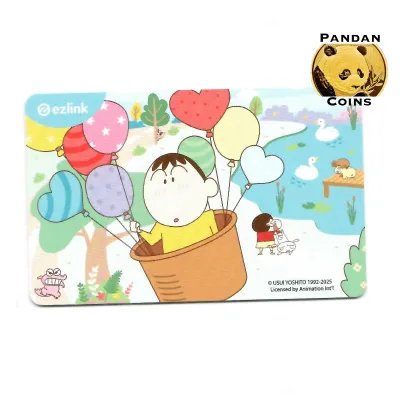
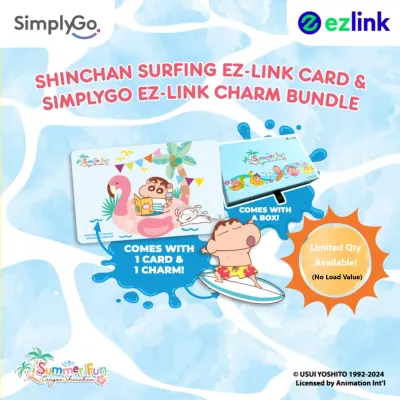
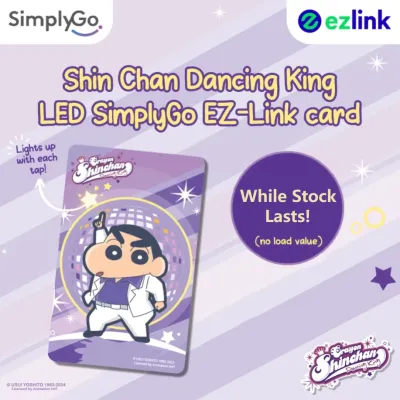
Prices are valid at publication and may change. Please refer to the product page for the latest price.
SimplyGo Ticket Offices (formerly TransitLink Ticket Offices) and Passenger Service Centres inside MRT stations also act as official retail points for specialized transit cards. Unlike convenience stores, ticketing offices have direct access to transit system databases and can verify if a specific themed card series has been distributed to their branch. Because these locations are highly accessible to daily commuters, any newly released Shin Chan designs tend to sell out within hours of arrival.
It is important to understand that IP-collaboration cards like Shin Chan are treated as limited-edition or seasonal runs rather than permanent inventory. Once the initial batch is sold out at a particular retail outlet, replenishment is rare, as manufacturers quickly move on to the next character collaboration. This limited availability means that finding a card in a physical store often requires a combination of timing, persistence, and strategic planning.
To save time and avoid unnecessary travel, you should verify stock availability before visiting a physical store. Checking the official EZ-Link social media channels is a highly effective way to track release dates and participating retail locations. For convenience stores, you can try calling specific branches directly to inquire about stock levels, or use official online store locators that highlight which outlets carry specialty merchandise.
Buying from authorized physical retailers ensures you pay the standard retail price. For a standard flat EZ-Link card, the retail price is typically S$10, which includes a S$5 non-refundable card cost and S$5 of pre-loaded stored value. Purchasing through these official brick-and-mortar channels guarantees that you are getting a genuine product without the steep markups associated with unauthorized resellers.
Buying Online: Official Webstores vs. E-Commerce Platforms
If you prefer shopping from home or if physical retail stores have run out of stock, online channels offer a viable alternative. The safest digital route is purchasing through official transit card webstores, which are often hosted as official brand storefronts on major e-commerce platforms. Buying from these official digital storefronts guarantees product authenticity, ensures you pay the standard retail price, and protects you under official consumer return policies.

However, the primary drawback of official online stores is the speed at which popular character designs sell out. When a highly anticipated Shin Chan design is released, high digital traffic can cause the official online stock to deplete within minutes. If you miss the initial launch window on official webstores, you will likely need to turn to third-party sellers on general e-commerce platforms and online marketplaces.
While general online marketplaces offer wider availability, they present several risks that you must navigate carefully. Price gouging is highly common, with third-party sellers marking up the price of a sold-out Shin Chan card to double or triple its original retail value. Additionally, shipping delays are common when dealing with overseas sellers, and there is a persistent risk of receiving non-functional counterfeit products or “prop” cards that cannot be used for transit.
To ensure a safe and successful online purchase from a third-party seller, you should evaluate listings against strict reliability criteria:
- Seller Ratings and Reviews: Prioritize sellers with high overall ratings and read recent customer reviews specifically looking for feedback on transit card functionality.
- Detailed Product Descriptions: Look for explicit statements confirming that the card is a genuine, CEPAS-compliant EZ-Link card with an active internal NFC chip.
- Clear Return Policies: Only purchase from sellers who offer robust return or refund guarantees in case the card arrives defective or non-functional.
- Official Badges: On major e-commerce platforms, look for platform-verified badges (such as "Preferred" or "Mall" status) which indicate a track record of reliable service.
Navigating Limited Editions and Secondary Markets
Within the world of character-themed transit cards, designs are categorized into different formats that dictate their rarity and value. Standard flat cards feature high-quality prints of Shin Chan characters on a traditional plastic card body. In contrast, limited-edition promotional runs often include 3D EZ-Link charms, LED-enabled cards that light up when tapped against a reader, or special anniversary editions. These premium formats are produced in much smaller quantities and command higher interest from collectors.
Once official retail channels and online webstores sell out of these limited editions, the cards transition entirely into the secondary collector market. This market operates primarily on local peer-to-peer marketplaces, online collector forums, and specialized social media trading groups. In these spaces, individual collectors and resellers list their personal stock for sale, often at a premium that reflects the card’s rarity and demand.
Navigating the secondary market requires a high level of caution due to the inherent risks of peer-to-peer transactions. Unlike authorized retailers, secondary market platforms do not offer standardized buyer protections, making buyers vulnerable to listing scams, overpricing, and counterfeit goods. Furthermore, because these transactions are often conducted as-is, you have little recourse if the card turns out to be defective after the purchase is finalized.
To protect yourself when buying an out-of-production or rare Shin Chan design on the secondary market, you should establish a clear personal budget limit before browsing. Avoid getting caught up in bidding wars that drive prices to unreasonable levels. Additionally, always verify the seller’s reputation by checking their transaction history and user feedback on the platform.
When dealing with peer-to-peer sellers, it is highly recommended to opt for face-to-face meetups rather than postal delivery. Meeting at a mutually convenient MRT station allows you to inspect the physical card in person and immediately test its functionality at a nearby General Ticketing Machine or SimplyGo Kiosk before handing over any payment. If a seller refuses a face-to-face transaction or demands a high deposit upfront, it is safest to walk away.
Essential Checks for Authenticity and Usability
Before you use your new Shin Chan EZ-Link card, you must perform several essential checks to verify its authenticity and physical functionality. Because transit cards rely on internal electronic components, a visual inspection alone is not enough to guarantee that the card is ready for daily commuting.
First, examine the physical and visual markers on the card body. A genuine EZ-Link card conforms to standard credit card dimensions (approximately 85.60 mm by 53.98 mm) with rounded corners and a smooth, professional finish. Check the printing quality closely; official cards feature sharp, vibrant colors with no pixelation, blurry lines, or misaligned graphics. The reverse side of the card must display the official EZ-Link logo, the CEPAS standard mark, and a clearly printed 16-digit Card Access Number (CAN).
You must be particularly vigilant against “prop” or “souvenir” cards, which are frequently sold on unregulated online marketplaces. These cards are designed to look identical to genuine Shin Chan EZ-Link cards on the outside, but they lack the internal RFID/NFC chip required to communicate with transit readers. These prop cards are completely useless for commuting and cannot be registered on transit apps.
Another critical factor to verify is the card’s stored value status. When purchasing online or from secondary market sellers, the card is almost always sold with S$0 stored value. Before attempting to use the card for travel, you must top it up at a SimplyGo Kiosk, a General Ticketing Machine, a convenience store, or via the SimplyGo mobile app using an NFC-enabled smartphone. Attempting to pass through an MRT gantry or board a bus with an empty card will result in an error message on the reader.
Finally, understand the warranty and support limitations of your card. Genuine EZ-Link cards purchased from authorized retailers are covered by a standard functional warranty (typically five years from the date of manufacture) that covers internal chip failures. If a card bought from an authorized seller stops working due to an internal defect, you can bring it to a SimplyGo Ticket Office for assessment and a potential refund of the remaining balance. However, if you purchase a card from an unauthorized reseller or a secondary market platform, the card is sold “as-is,” and transit authorities will not offer replacements or refunds for defective units.
Frequently Asked Questions (FAQ)
Can I use the Shin Chan EZ-Link card for all public transport in Singapore?
Yes, the Shin Chan EZ-Link card functions identically to any standard transit card across Singapore’s entire public transport network, including the MRT, LRT, and public buses. To ensure uninterrupted travel, you must maintain a minimum stored value on the card (typically S$3 for MRT travel) and ensure the physical card remains free of deep bends, cracks, or severe scratches that could damage the internal antenna.
Do character-themed EZ-Link cards expire?
Yes, all EZ-Link cards, including character-themed and limited-edition designs, have a standard validity period of five years from the date of encoding or issuance. You can check your card’s exact expiry date by registering it on the SimplyGo mobile app or by tapping it at any General Ticketing Machine. Once your Shin Chan card expires, you can visit a SimplyGo Ticket Office to transfer any remaining stored value to a active card, though the physical expired card will be returned to you so you can keep it as a collectible.
What should I do if my Shin Chan card stops working?
If your card fails to scan at transit gantries, you should first check its balance and status at a SimplyGo Kiosk, a General Ticketing Machine, or via the SimplyGo mobile app to diagnose potential errors. If the reader indicates a technical chip failure and the card was purchased from an authorized retailer, you can bring it to a SimplyGo Ticket Office to apply for a refund of the remaining balance. Note that any visible physical damage, unauthorized modifications, or custom stickers applied to the card will void its warranty and make it ineligible for a refund or replacement.

Community discussion
Share your experience or ask a question. Comments are reviewed before publication.