
When purchasing a crochet set kit, the key to a fulfilling crafting experience lies in the quality of two primary components: the crochet hooks and the yarn. A high-quality kit should provide durable, smooth hooks that do not snag, alongside well-spun yarn that resists splitting and matches the project’s requirements. Many budget-friendly kits look appealing online, but they often cut corners by including flimsy plastic tools, rough metal hooks with sharp mold lines, or cheap yarn that frays easily. By carefully evaluating the materials, ergonomics, and specifications of the included items before you buy, you can ensure your investment leads to a successful and enjoyable crafting journey.
Understanding the Core Components of a Crochet Set Kit
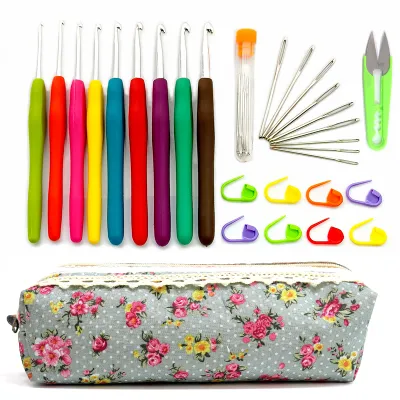
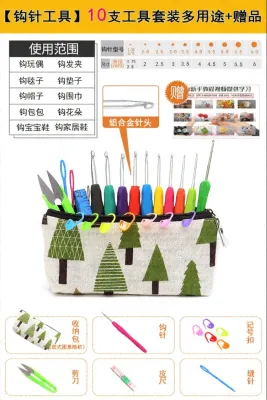
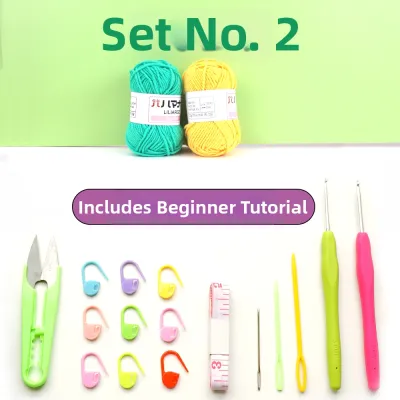
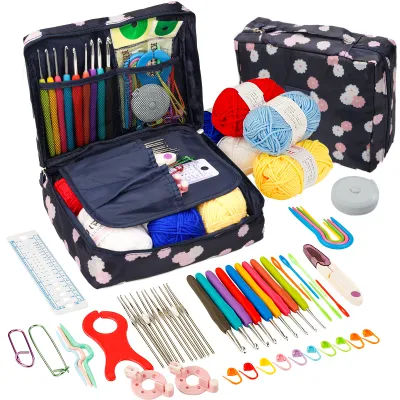
Before diving into the finer details of hook and yarn quality, it is helpful to understand what a standard crochet set kit typically contains. A complete starter kit generally includes a selection of crochet hooks in various sizes, several skeins of yarn tailored to a specific project, and essential notions like stitch markers, tapestry needles, and a pair of scissors. Many kits also come with a dedicated storage case to keep your tools organized and portable.
The pricing of these kits often reflects the balance between tool durability and yarn quantity. Lower-priced kits, sometimes retailing for around S$15 to S$25 on local ecommerce platforms, may offer a wide variety of tools but often compromise on the quality of the yarn or the ergonomic design of the hooks. Conversely, mid-range and premium kits, which can range from S$40 to S$80, usually feature branded ergonomic hooks and higher-grade natural fibers or premium acrylic blends.
Products mentioned in this guide
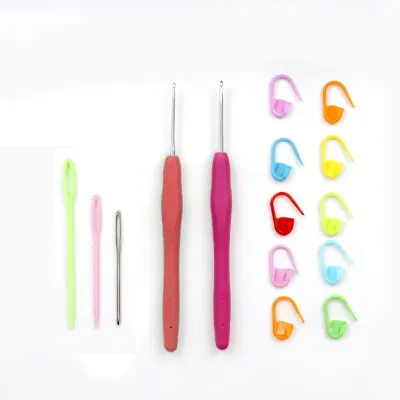
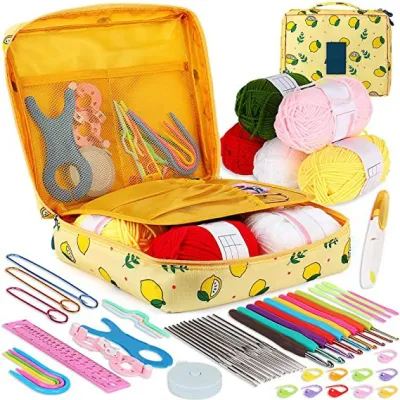
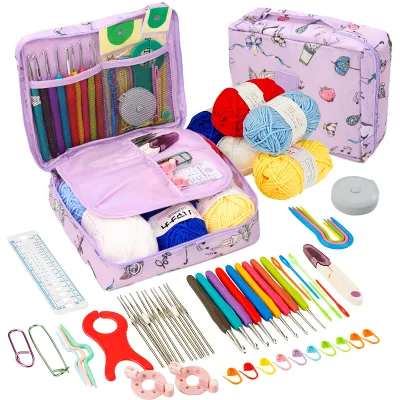
Prices are valid at publication and may change. Please refer to the product page for the latest price.
Understanding your current skill level will help you set realistic expectations. Beginner kits often focus on providing highly visible, easy-to-manage yarn and basic, comfortable hooks to help you master fundamental stitches. Intermediate kits, on the other hand, may include more intricate patterns, finer yarn weights, and specialized tools that require a bit more control and experience to handle effectively.
How to Evaluate Crochet Hook Quality
The crochet hook is your primary tool, and its quality directly impacts your stitching speed, tension, and hand comfort. Inspecting the physical attributes of the hooks before purchasing a kit can save you from hand strain and ruined yarn.

Material and Build Durability
Crochet hooks are commonly made from aluminum, steel, plastic, or bamboo, each offering distinct physical properties. Aluminum and steel hooks are highly favored for their stiffness and durability, as they resist bending even when working with tight stitches. Plastic hooks are lightweight and budget-friendly but can snap under pressure, while bamboo hooks offer a warm, natural grip but can sometimes catch on fibers if they are not perfectly polished.
When evaluating a kit, look closely at the hook’s head and throat design. The head should be either inline or tapered, with a smooth, rounded tip that easily inserts into stitches without splitting the yarn. The throat, which is the sloped area just below the head, must be completely smooth to allow the yarn to glide effortlessly during each loop.
In budget-friendly kits, a common issue is the presence of rough mold lines, burrs, or uneven plating on metal and plastic hooks. These manufacturing defects can snag delicate fibers, causing the yarn to fray or split. If you are buying online, zoom in on the product photos to check the finish of the hook shafts, or look for user reviews that mention whether the hooks glide smoothly through yarn.
Ergonomics and Grip Design
Ergonomics play a vital role in preventing hand fatigue, cramping, and repetitive strain injuries during long crafting sessions. Standard metal hooks without grips can be difficult to hold for extended periods, especially for crafters who grip their tools tightly.
Many modern crochet kits feature hooks with soft grips made from rubber, silicone, or molded plastic. These materials provide a comfortable, non-slip surface that reduces the amount of gripping force required to control the hook. When choosing a kit, look for handles that are slightly thickened or contoured to fit the natural curve of your hand.
A well-designed hook should also feature a flat thumb rest along the handle, which helps you maintain the correct hook angle and reduces wrist rotation. Because hand sizes and gripping styles vary, it is wise to verify the seller’s return or exchange policy. This ensures you can return the kit if the grip shape or handle thickness feels uncomfortable during your first practice session.
How to Assess Yarn Quality and Suitability
The yarn included in a kit determines the look, feel, and longevity of your finished project. Learning how to read yarn labels and inspect fiber characteristics will help you avoid frustrating materials that split, pill, or break easily.
Fiber Content and Label Reading
A reputable crochet kit should clearly state the fiber content of the included yarn, whether on the product listing or the individual yarn labels. Common fibers include acrylic, cotton, wool, and various synthetic blends. Acrylic is highly durable and easy to care for, making it a popular choice for beginners, while cotton offers excellent stitch definition and is highly breathable, which is ideal for warm climates like Singapore.
When reviewing the kit details, look for the presence of dye lot numbers on the yarn labels. Yarn is dyed in batches, and skeins from different dye lots can have subtle color variations that become highly visible in a finished project. Ensuring that all included skeins share the same dye lot number guarantees color consistency throughout your work.
Be cautious of kits that omit fiber details or use vague descriptions like “soft wool-like thread” or “premium fiber” without specifying exact percentages. High-quality kits will explicitly list the composition, such as “100% Mercerised Cotton” or “80% Acrylic, 20% Wool,” allowing you to understand the exact care requirements and physical properties of the material.
Weight, Yardage, and Project Matching
To ensure a smooth crafting experience, the weight of the included yarn must match the sizes of the crochet hooks provided in the kit. For example, a medium-weight yarn (often classified as worsted or DK) typically requires a 4.0mm to 5.5mm hook to form neat, even stitches. If the hook is too small, the fabric will be stiff and difficult to work; if the hook is too large, the stitches will be loose and floppy.
You should also verify that the kit provides sufficient yardage to complete the featured pattern. Some low-quality kits include small, sample-sized skeins that do not contain enough yarn, leaving you stranded mid-project. Check the product specifications for the total length (in meters or yards) or weight (in grams) of the yarn, and compare it to the requirements of the pattern.
Additionally, inspect the physical structure of the yarn, specifically its twist and ply. Yarn is made by twisting multiple strands (plies) together. A tightly twisted yarn is less likely to split when you insert your hook, making it much easier for beginners to manage. Loosely twisted yarns, while soft, tend to split easily and can lead to frustrating mistakes.
Checking Accessories and Notions
While hooks and yarn are the main attractions, the secondary tools—often referred to as notions—can greatly influence the overall value and convenience of a crochet set kit. Cheap, non-functional accessories can quickly turn a promising kit into a disappointing purchase.
Start by evaluating the cutting tools included in the kit. Many budget kits come with cheap plastic safety scissors or flimsy metal snips that bend rather than cut, leaving you with frayed yarn ends. Look for kits that include small, sharp embroidery scissors or sturdy stainless steel yarn cutters that can cleanly slice through fibers with a single snip.
Next, assess the durability of the smaller notions, such as stitch markers, tapestry needles, and row counters. Stitch markers should be flexible yet sturdy, with smooth locking mechanisms that do not snag your work. Tapestry needles, used for weaving in loose ends, should have large eyes and smooth tips; metal needles are generally much more durable and easier to thread than their flexible plastic counterparts.
Finally, consider the storage case or bag provided with the kit. A good storage solution should feature dedicated slots or elastic bands to keep your hooks organized by size, along with zippered compartments for smaller notions. A durable, well-organized case not only protects your tools from damage and dust but also makes it easy to pack up your project and craft on the go.
Red Flags to Avoid When Buying a Kit
To protect yourself from purchasing a low-quality crochet set kit, keep a checklist of common warning signs that indicate substandard manufacturing or poor quality control.
First, look closely at the pattern instructions included in the kit. Many cheap kits come with poorly translated, incomplete, or entirely missing instructions, which can be incredibly frustrating for beginners. If possible, check the product description or reviews to see if the kit offers clear, step-by-step written patterns, illustrated diagrams, or links to high-quality video tutorials.
Second, avoid kits that feature unbranded hooks with no visible size markings. High-quality hooks always have their sizes (either in millimeters or US letter codes) clearly engraved, stamped, or molded onto the shaft or grip. Over time, printed markings on cheap hooks can rub off, leaving you guessing which tool is which during a project.
Third, be wary of sellers who do not provide clear, high-resolution photos of the actual kit components. If the product listing only uses generic stock photos or digital mockups, the physical items you receive may look and feel vastly different. Additionally, read customer reviews carefully to check for complaints about strong chemical odors, which often indicate that the yarn or storage case was treated with harsh industrial chemicals or stored in damp, poorly ventilated warehouses.
Frequently Asked Questions (FAQ)
Can I replace the yarn in a crochet set kit with my own?
Yes, you can easily replace the yarn in a crochet set kit with your own, provided you match the weight and characteristics of the original material. To ensure your project turns out the correct size, check the original yarn’s weight category (such as sport, DK, or worsted) and choose a substitute yarn that matches this classification. You should also compare the yardage to ensure you have enough of the new yarn to complete the pattern.
If your substitute yarn has a slightly different thickness or drape, you may need to adjust your hook size to achieve the correct tension. It is always a good idea to crochet a small gauge swatch first to verify that the fabric feels right and matches the pattern’s dimensions before committing to the full project.
Are expensive crochet set kits always better for beginners?
Not necessarily. While expensive kits often feature premium materials and highly ergonomic tools, they may also include advanced patterns or delicate yarns that are difficult for a beginner to handle. For those just starting out, a mid-range kit that focuses on comfortable, durable hooks and smooth, tightly twisted acrylic or cotton yarn is often the best choice.
Starting with a mid-range kit allows you to learn the basic techniques without a significant upfront financial investment. As you develop your skills and discover your personal preferences—such as whether you prefer inline or tapered hooks, or wood over metal—you can gradually upgrade your tools and invest in premium, individual pieces that suit your specific crafting style.

Community discussion
Share your experience or ask a question. Comments are reviewed before publication.