
Embroidery is a rewarding craft, but struggling to thread a needle can quickly halt your creative momentum. For beginners, guiding multi-strand embroidery floss through a narrow needle eye can be frustrating, often leading to frayed thread and strained eyes. A 10-piece needle threader set serves as an essential, practical toolkit that eliminates this friction, allowing you to focus on mastering your stitches. By selecting a set with the right balance of wire flexibility, handle comfort, and needle compatibility, you can establish a smooth, frustration-free workflow from your very first project.
When shopping for these tools, it is easy to assume that all threaders are identical, but subtle differences in construction significantly impact their performance and lifespan. A well-designed threader must be fine enough to pass through small needle eyes yet resilient enough to pull thick floss back through without snapping. Evaluating these physical characteristics through online product listings requires a keen eye for material specifications and structural design. This guide will equip you with the knowledge to identify high-quality threader sets, match them to your specific embroidery supplies, and navigate online marketplaces to find the most reliable options.
Why a 10-Piece Set is Practical for Beginners
Beginning embroiderers often underestimate how quickly fine wire threaders can wear out or break. The wire loops on standard threaders are incredibly thin, designed to compress and slide through microscopic needle eyes. During the learning phase, it is common to apply too much force, pull at an awkward angle, or attempt to thread too many strands of floss through a needle eye that is simply too small. These minor errors place immense stress on the solder joint where the wire meets the handle, frequently causing the wire to pull out or snap. Having a 10-piece set ensures that a single broken tool does not bring your entire crafting session to an abrupt halt.
Products mentioned in this guide
![[SG Stock] 10 PCs Stainless Steel Needle Threader DIY Tool for Middle/Large Eye Needles - Suitable for Embroidery and Cross Stitch](https://img.lazcdn.com/g/p/79769a62dbda07ec5f920d5069e7e7ad.jpg_400x400q80.jpg_.webp)
Prices are valid at publication and may change. Please refer to the product page for the latest price.
Beyond the inevitability of breakage, a multi-piece set offers excellent convenience for managing different crafting environments. If you enjoy stitching in different areas of your home, attending local crafting meetups, or traveling, you can distribute your threaders across multiple locations. Distributing backups across your main embroidery bag, travel sewing kit, and storage drawer ensures you always have one within arm’s reach. This prevents the constant need to pack and unpack a single, easily misplaced tool.
From a financial perspective, purchasing a 10-piece bundle is highly cost-effective compared to buying individual premium threaders. Single-piece specialty threaders often carry a higher markup per unit, and replacing them individually incurs repeated shipping costs. A bulk set provides a low-cost safety net, allowing you to practice your threading technique without the fear of ruining an expensive, irreplaceable tool. This makes a 10-piece set the ideal entry point for beginners who want to build their confidence and muscle memory without a significant upfront investment.
Core Quality Indicators to Check Before Buying
When browsing online marketplaces, you cannot physically test the tension or flexibility of a needle threader. Instead, you must rely on close visual inspection of product images and a careful reading of technical specifications. High-quality threaders are defined by the strength of their connection points, the consistency of their wire loops, and the finish of their handles. By learning to spot these details in product listings, you can easily separate durable, well-constructed tools from poorly made alternatives that are prone to immediate failure.

Wire Loop Thickness and Flexibility
The wire loop is the most critical component of any needle threader, as it directly interacts with both the needle eye and the embroidery thread. Most beginner-friendly threaders utilize a classic diamond-shaped wire loop made from fine steel or brass alloy. When evaluating a 10-piece set, look for listings that specify the wire gauge or thickness, often measured in millimeters. For general embroidery, a wire thickness of approximately 0.15 mm to 0.2 mm strikes an ideal balance, offering enough rigidity to push through the needle eye while remaining flexible enough to compress.
There is a distinct trade-off between rigid and flexible wire designs that you must consider based on your project needs. Rigid wire threaders, such as fixed steel hooks, are highly durable but cannot squeeze through the tiny eyes of fine crewel or quilting needles. Conversely, flexible wire loops can compress to fit almost any needle size, but they are more susceptible to snapping if pulled too hard. The ideal 10-piece set often features a flexible diamond loop design with a reinforced base, which allows the wire to bend slightly under tension rather than snapping at the connection point.
Additionally, pay close attention to the shape and finish of the wire loop itself. The tip of the diamond should be smoothly rounded rather than sharply creased, as a sharp bend can create a weak point where the metal is prone to fracturing. A rounded loop also glides more smoothly through the needle eye and prevents the wire from catching on or splitting the delicate fibers of your embroidery floss. If product images show inconsistent loop shapes or visible kinks in the wire, it is a strong indicator of low manufacturing standards.
Handle Ergonomics and Material
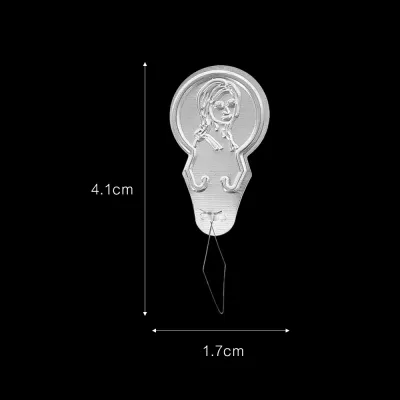
While the wire does the work, the handle is what you interact with, making ergonomics a vital consideration for comfortable crafting. The traditional “coin-style” threader features a flat, stamped aluminum handle that is incredibly thin and lightweight. While functional, these flat handles can be difficult to pinch securely, especially for beginners who may hold their tools with excessive tension. Over a long stitching session, gripping a thin, hard metal edge can cause finger fatigue and cramping.
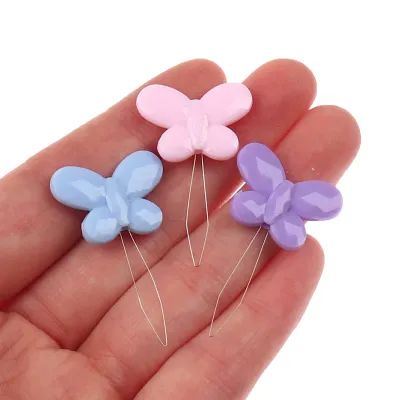
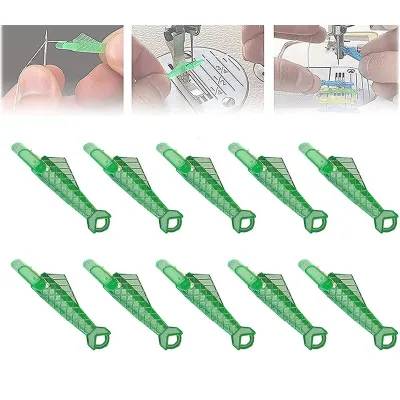
Molded plastic, wood, or rubberized handles offer a much more comfortable alternative for repetitive threading tasks. A thicker, textured handle provides a larger surface area for your fingers to grip, reducing the amount of pinch force required to hold the tool steady. Some modern 10-piece sets feature colorful, ergonomic plastic handles shaped like flowers, umbrellas, or simple textured tabs. These bright colors make the handles comfortable to hold and easy to spot on a busy work surface.
When examining product images, inspect the edges of the handles for quality finishing. Poorly molded plastic handles often have sharp ridges or excess material, known as flashing, along the seams where the mold met. These sharp edges can irritate your skin during use or snag on delicate embroidery fabrics. Look for listings that showcase smooth, rounded handle edges and a secure, deeply embedded connection where the wire enters the handle body, ensuring the tool is both comfortable and structurally sound.
Matching the Threader to Your Embroidery Supplies
A common mistake among beginners is assuming that any needle threader will work with every needle and thread combination. To avoid frustration, you must match the physical dimensions of your threader set to the specific supplies in your embroidery kit. Embroidery needles come in various styles, including crewel, chenille, and tapestry needles, each designed for different thread weights. Crewel needles, which are the standard choice for surface embroidery, feature medium-to-long eyes that require a fine, highly flexible wire threader to pass through without damaging the needle.
Chenille and tapestry needles have much larger, wider eyes designed to accommodate thick wools, yarns, or multiple strands of heavy floss. For these larger needles, a slightly thicker wire threader or a hook-style threader is highly effective, as it can easily carry bulky threads through the spacious eye. Using an ultra-fine wire threader with a heavy tapestry needle and thick yarn can cause the wire to slip or snap under excessive drag.
The thread itself also dictates the type of threader you should use. Standard cotton embroidery floss consists of six individual strands wound together, which crafters split depending on the desired thickness of their lines. Threading three or more strands of floss simultaneously creates significant bulk and friction as it passes through the needle eye. Your threader must have a loop large enough to hold all the strands securely without bunching them up, which can cause the thread to fray or get stuck halfway through the eye. Always check the manufacturer’s product descriptions for recommended needle sizes and thread capacities to ensure compatibility with your planned projects.
Building Your Shortlist on E-commerce Platforms
Navigating online marketplaces to find a reliable 10-piece needle threader set requires a systematic approach to filtering and evaluation. Start by using precise search terms such as “needle threader 10pcs” or “flexible wire needle threader set” to narrow down the results. Once you have a list of candidates, apply filters to sort by customer ratings and verified purchases to highlight products successfully used by other crafters.
When reading customer reviews, look past the overall star rating and search for specific feedback regarding durability and usability. Pay close attention to recurring complaints about wire breakage, handles snapping, or the wire pulling completely out of the handle on the first few uses. A high volume of reviews mentioning immediate failure suggests poor manufacturing quality or weak adhesive at the connection point. Conversely, positive reviews that praise the flexibility of the wire and the comfort of the grip are strong indicators of a reliable product.
Additionally, verify the reputation of the seller and their customer service policies before making a purchase. Look for sellers with high positive feedback ratings and a history of prompt communication. Check the product’s return and refund policies, as well as the shipping conditions. Because wire threaders are delicate, they can easily be bent or crushed during transit if they are shipped in a simple paper envelope without protective padding. Choosing a seller that packages their threaders in a rigid plastic storage case or a padded bubble mailer ensures your tools arrive in perfect, usable condition.
Usage and Maintenance Tips for Longevity
Even the highest-quality needle threader will fail quickly if subjected to improper handling and poor maintenance. To maximize the lifespan of your 10-piece set, always practice gentle, deliberate movements when threading your needles. Insert the wire loop straight through the needle eye without twisting, as lateral pressure can bend the wire or weaken the joint.
Once the wire loop is fully through the eye, insert your embroidery thread through the wide opening of the loop, leaving a short tail. Gently and slowly pull the threader handle back out of the needle eye, guiding the wire and the thread along with it. If you feel significant resistance or if the wire catches on the edge of the eye, do not force it. This resistance is a clear warning sign that either the thread is too thick for the needle eye, or the wire loop is too large. Forcing the threader through will inevitably stretch, bend, or snap the wire, and may even damage the needle itself.
Proper storage is equally important for maintaining the integrity of your threader set over time. Because the fine steel wires are susceptible to moisture and physical damage, storing them loose in a sewing basket is not recommended. Instead, keep your threaders in a dedicated, dry storage case, such as a small plastic box, a metal tin, or a magnetic needle case. This keeps the wires flat and protected from heavier tools like scissors, while preventing exposure to humidity that leads to rust.
Frequently Asked Questions (FAQ)
Can I use a standard wire threader for ribbon embroidery?
Standard wire threaders are generally not suitable for ribbon embroidery. The thin, sharp wire loops can easily snag, pierce, or fray delicate silk and satin ribbons as they are pulled through the needle eye. Additionally, ribbons are much wider and flatter than standard embroidery floss, meaning they require a wide, flat opening to pass through without crushing or distorting the material. For ribbon embroidery, it is best to use specialized ribbon threaders or brass hook threaders, which feature wide, smooth slots designed specifically to accommodate the flat profile of embroidery ribbons.
What should I do if the wire loop bends out of shape?
If a wire loop becomes bent or kinked, it is highly recommended to discard that individual threader and use a fresh backup from your 10-piece set. Attempting to bend the wire back into its original shape introduces metal fatigue and micro-fractures, making the wire highly brittle and prone to snapping inside a needle eye during your next project. Using a compromised, bent threader also increases the risk of snagging and fraying your embroidery floss, which can ruin hours of careful stitching. Utilizing the backups in your set ensures your tools remain safe, reliable, and gentle on your materials.

Community discussion
Share your experience or ask a question. Comments are reviewed before publication.