
Selecting the right packing boxes for moving is not just about fitting items inside; it is about balancing weight, volume, and structural integrity to ensure your belongings arrive safely. The general rule is to use small boxes for heavy items like books and documents, medium boxes for versatile household goods, and large boxes exclusively for lightweight, bulky items. In humid tropical climates, choosing the right material and size prevents boxes from sagging or collapsing during transit through apartment corridors, lifts, and moving trucks.
The Golden Rule of Packing: Balancing Volume and Weight
The foundational principle of packing is the inverse relationship between an item’s density and the size of the box it requires. Heavy items must always go into small boxes, while light, bulky items should be reserved for large boxes. Ignoring this rule creates severe safety hazards, such as the bottom of an oversized box tearing open under the weight of books, or a box becoming too heavy for safe lifting, leading to physical strain or dropped belongings.
To prevent structural failure, always check the manufacturer’s stated weight capacity and material specifications on the product label before packing. Cardboard boxes are generally categorized as single-wall or double-wall corrugated cardboard. Double-wall boxes feature two layers of fluted paper sandwiched between linerboards, offering significantly higher puncture resistance and stacking strength. In high-humidity environments, cardboard fibers can absorb moisture from the air and lose their rigidity, making double-wall construction essential for heavier or fragile loads.
Products mentioned in this guide
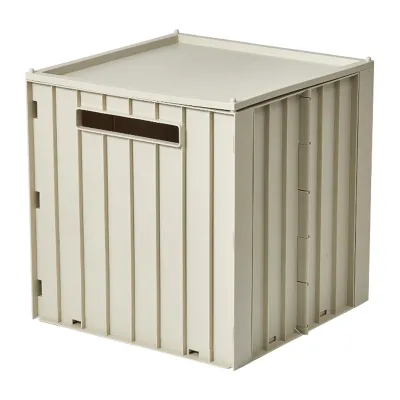
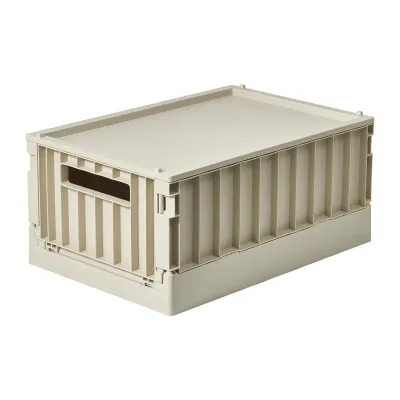
Prices are valid at publication and may change. Please refer to the product page for the latest price.
Standard Box Sizes and Their Best Uses
Using standardized box sizes makes loading a moving truck much easier because uniform dimensions allow for neat, stable stacking. Understanding the specific design purpose of each box size helps protect your items and maximizes space efficiency.

Small Boxes (Book Boxes)
Small moving boxes typically measure around 30 x 30 x 30 cm or 40 x 30 x 30 cm. These are the heavy lifters of any residential move, specifically designed to hold dense, heavy items such as books, files, vinyl records, canned food, and hand tools. Because these items have high weight density, packing them into a larger container would quickly make the box unmanageable.
By restricting the internal volume, a small box naturally caps the total weight at a level that is safe for one person to lift and carry. When preparing small boxes for heavy items, always reinforce the bottom center seam and side joints with high-quality packing tape. Perform a quick visual check to ensure the tape adhesive has bonded smoothly to the cardboard fibers without air bubbles, which can compromise the seal.
Medium Boxes (All-Purpose Boxes)
Medium boxes, usually measuring around 45 x 45 x 40 cm, are the most versatile and frequently used containers during a move. They offer an ideal compromise between volumetric capacity and structural integrity, making them the standard choice for average-weight household goods.
This size is perfect for packing pots and pans, small kitchen appliances, toys, shoes, and folded clothing. If you have items that are too awkwardly shaped to fit into small boxes but are too heavy to safely occupy a large box, the medium box is your correct choice. For a stable load, place the heaviest items at the bottom of the box and layer lighter items on top to keep the center of gravity low.
Large Boxes (Bulky & Light Items)
Large boxes typically measure 50 x 50 x 50 cm or larger and are designed strictly for lightweight, high-volume goods. Ideal contents include pillows, comforters, blankets, towels, cushions, and lightweight seasonal apparel.
Never use large boxes for heavy items like books, files, or ceramic dishes. Doing so almost guarantees that the box will deform, tear, or collapse when stacked, creating a risk of injury to anyone lifting it. To maintain the box’s shape and prevent it from crushing under other cargo, fill any empty spaces at the top or corners with crumpled packing paper or bubble wrap to preserve its structural box-compression strength.
Extra-Large and Specialty Boxes
Extra-large boxes are specialized containers designed for massive but exceptionally light objects, such as large lampshades, oversized stuffed toys, or delicate silk flower arrangements. Because of their sheer volume, they can be highly awkward to carry and load, meaning they should be used sparingly.
Wardrobe boxes are another highly practical specialty option. These tall boxes feature an integrated metal hanging rod, allowing you to transfer clothes directly from your closet hangers into the box without folding them. This saves significant packing time and keeps formal wear wrinkle-free during transit. Before purchasing extra-large or wardrobe boxes, always measure the doorways, stairwells, and lift dimensions of both your current and new home to ensure these bulky containers can be maneuvered inside.
Quick Reference: Matching Items to the Right Box Size
This quick reference guide maps common household categories to their recommended box sizes and essential packing strategies.
| Item Category | Recommended Box Size | Key Packing Tip |
|---|---|---|
| Books, Files & Heavy Media | Small | Pack flat to prevent spine damage; reinforce the bottom center seam with heavy-duty tape. |
| Kitchenware, Dishes & Fragile Goods | Medium | Wrap each item individually in bubble wrap; use cardboard cell dividers to prevent glass-on-glass contact. |
| Clothing, Linens & Towels | Large or Wardrobe | Use wardrobe boxes for hanging garments; pack folded linens tightly in large boxes to prevent shifting. |
| Small Appliances & Electronics | Medium or Original Packaging | Secure power cords with cable ties; fill all voids with anti-static bubble wrap or packing paper. |
After securing your items in the correct box sizes, systematic labeling is crucial for an organized unpacking process. Use a thick permanent marker to write the destination room and a brief summary of the contents on at least two sides of each box. For fragile items, clearly mark “FRAGILE” in bold red letters on all visible sides and draw arrows indicating which direction the box must face to prevent accidental tipping.
Common Sizing Mistakes That Cause Damage or Injury
Avoiding typical packing errors can save you from broken valuables, damaged property, and physical strain on moving day.
- The "One Size Fits All" Error: Attempting to simplify your move by purchasing only one box size leads to massive inefficiencies. You will either end up with underfilled large boxes that collapse when stacked, or small items swimming in excessive packing material, wasting money and space.
- Overpacking Large Boxes: This is the most common cause of moving-day injuries. Cardboard has physical limits to its tensile strength. When a large box is packed with heavy kitchenware or books, the bottom seams are highly likely to split open during transport, dropping your valuables onto the floor.
- Ignoring Box Condition: Reusing old boxes from grocery stores or previous moves might seem economical, but structural integrity degrades rapidly with use. Cardboard that is creased, damp, or dented at the corners has lost up to 50% of its stacking strength. A single compromised box at the bottom of a stack can cause the entire column to topple inside the moving truck.
- Skipping the Shake Test: Before sealing any box permanently, perform a gentle shake test. Lift the box slightly and give it a soft shake. If you hear items sliding around or shifting significantly, the internal spaces are not properly filled, which increases the risk of damage. If the box feels excessively heavy or awkward during this test, immediately repack the contents into smaller boxes or redistribute the weight.
Frequently Asked Questions (FAQ)
How many packing boxes do I need for a typical move?
Estimating the exact number of boxes depends on the size of your home and how long you have lived there. As a general baseline, a standard one-bedroom apartment typically requires about 10 to 15 small boxes, 10 to 15 medium boxes, and 5 to 8 large boxes. For a larger three-bedroom family home, you should expect to need around 30 small, 30 medium, and 15 large boxes. Always calculate your estimated requirements based on your specific inventory and then add a 10% to 20% buffer to account for last-minute packing and unexpected items. To keep your living space organized during the packing phase, store your boxes flat and assemble them only as needed rather than taping them all together at the start.
Can I use free grocery or supermarket boxes for moving?
Using free boxes from local supermarkets or grocery stores is an appealing way to cut down on moving costs, but it comes with distinct trade-offs. These boxes have often undergone significant wear and tear, meaning their corrugated structure may already be weakened by moisture or heavy loads. Additionally, grocery boxes occasionally harbor pests or food residues that can damage your belongings, and their non-uniform shapes make them incredibly difficult to stack securely in a moving van. If you decide to use repurposed boxes, inspect them thoroughly for soft spots, tears, or structural sagging. Heavily reinforce the bottom seams with high-quality packaging tape, and limit their use to non-fragile, low-value items like plastic kitchenware, shoes, or outdoor gear.

Community discussion
Share your experience or ask a question. Comments are reviewed before publication.