
Selecting the right moving carton box size is the foundation of a successful, damage-free relocation. The general rule of thumb is simple: the heavier the item, the smaller the box should be. By matching your belongings to the correct box dimensions, you protect fragile items from crushing, prevent physical strain during lifting, and ensure that boxes stack securely inside the moving truck. Whether you are packing up a compact high-rise apartment or a spacious multi-story home, understanding how to distribute your items across different box sizes will save time, money, and effort.
Understanding Moving Box Dimensions and Weight Limits
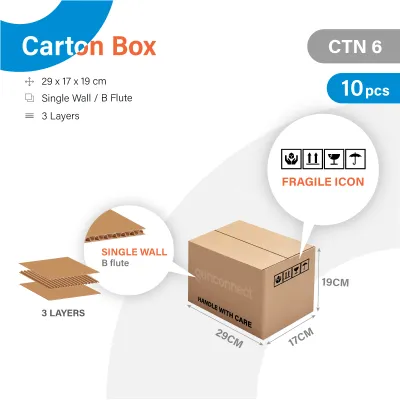
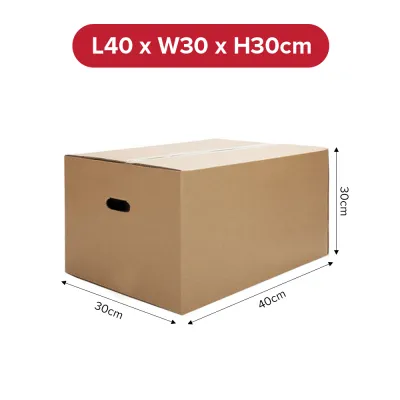
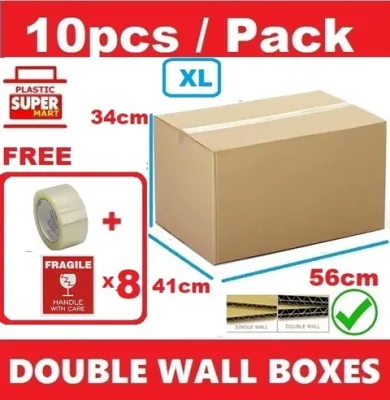
Before purchasing your packing supplies, it is essential to understand the standard categories of moving carton boxes available on the market. Most local packaging suppliers classify boxes into small, medium, large, and extra-large sizes. A standard small box typically measures around 40 x 30 x 30 centimeters and is designed for compact, dense items. Medium boxes generally measure around 50 x 40 x 40 centimeters, offering a versatile middle ground, while large and extra-large boxes extend up to 60 x 50 x 50 centimeters or more to accommodate high-volume, lightweight goods.
Beyond physical dimensions, the structural design of the cardboard determines how much weight a box can safely carry. Standard boxes are constructed from corrugated fiberboard, which features a fluted paper layer sandwiched between flat linerboards. Single-wall boxes contain one layer of fluting and are suitable for light to moderate loads. For heavier items or long-distance moves, double-wall boxes—which feature two layers of fluting—provide significantly higher puncture resistance and stacking strength.
Products mentioned in this guide
![Casual Liz Wholesales Market Carton Box/Moving Box/Cardboard Box [Local Seller]](https://img.lazcdn.com/g/p/edcb9b91b5af7d246cf0cb44f3ee1b04.jpg_400x400q80.jpg_.webp)
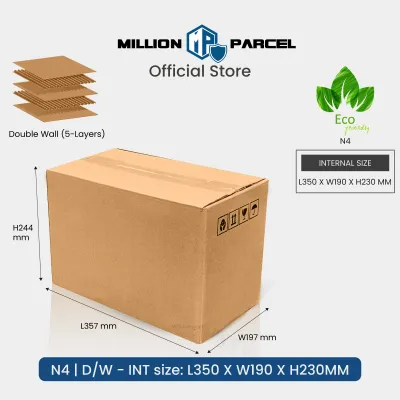
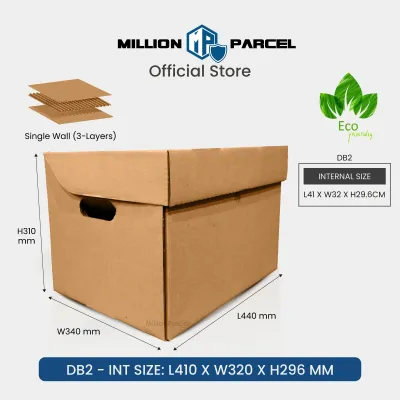
Prices are valid at publication and may change. Please refer to the product page for the latest price.
Never assume a box can hold an unlimited amount of weight simply because it is large. Always check the manufacturer’s specifications, which are often printed on the bottom flap of the box as a circular box maker’s certificate. This stamp indicates the gross weight limit and bursting test strength of the cardboard. In humid climates, such as during the monsoon seasons in Singapore, cardboard can absorb moisture from the air, which temporarily reduces its structural integrity and load-bearing capacity. Inspecting these specifications ensures you do not overload the material.
Matching Box Sizes to Heavy and Dense Items
When packing dense, heavy belongings, your primary goal is to keep the total weight of each packed box manageable for a single person to lift. Small moving carton boxes are the ideal choice for items such as books, files, magazines, and hand tools. Packing these items in larger boxes quickly creates an immovable, hazardous block that can rupture the bottom tape or cause back injuries during transit. Keeping heavy items in small containers ensures the load remains centered and easy to carry down narrow apartment corridors or into lifts.

Kitchenware represents another category of dense household goods that requires careful box selection. Heavy pots, pans, cast-iron skillets, and canned food items should always be packed into small or sturdy medium boxes. If you attempt to pack an entire cabinet of ceramic plates into a large box, the cumulative weight will easily exceed safe handling limits. Grouping these items into smaller, reinforced boxes makes them much easier to stack securely at the bottom of the moving vehicle.
For heavy but fragile kitchen items like stoneware, porcelain plates, and glass baking dishes, internal protection is just as important as box size. Use crumpled packing paper, bubble wrap, or specialized cardboard dividers to isolate each item. Place the heaviest items at the bottom of the box and fill any remaining empty spaces with packing paper to prevent shifting. This internal cushioning absorbs vibrations and shocks when the box is moved over uneven thresholds or transport ramps.
Packing Medium-Weight and Bulky Belongings
Medium moving carton boxes serve as the workhorses of any residential relocation, offering the perfect balance between volume and weight. These boxes are highly suited for medium-weight household items such as shoes, small kitchen appliances, toys, and folded clothing. Because these items have moderate density, a medium box can be filled to capacity without becoming too heavy to lift. This size also fits comfortably on standard hand trolleys, making transport through high-rise lobbies highly efficient.
Large and extra-large boxes, on the other hand, should be reserved almost exclusively for lightweight, bulky items. Bedding, pillows, duvets, winter coats, and large plastic toys are ideal candidates for these spacious containers. Because these items take up a lot of physical space but weigh very little, they can fill a large box completely without compromising its structural integrity. This strategy maximizes the use of truck space while keeping the overall weight of the large box surprisingly light.
A common packing mistake is mixing heavy items into large boxes to fill up empty space. Placing heavy books or kitchen appliances at the bottom of a large box and covering them with pillows is a recipe for disaster. The heavy items can easily shift, crushing the lighter items or bursting through the bottom seams when the box is lifted. Additionally, oversized boxes that are too heavy to carry safely increase the risk of accidental drops, leading to damaged belongings and potential personal injury.
Handling Fragile, Awkward, and Extra-Large Items
Delicate and highly valuable items require specialized packaging solutions that go beyond standard rectangular boxes. When packing glassware, crystal, or fine china, look for boxes designed with reinforced double-wall construction and built-in cell dividers. These dividers keep individual glasses or bottles separated, preventing them from knocking against each other during transit. Many local moving suppliers offer specialized dish pack boxes that feature extra-thick walls to absorb external impacts.
For clothing, wardrobe boxes offer a highly convenient and protective solution. These tall boxes feature a metal or heavy-duty cardboard hanging bar at the top, allowing you to transfer clothes directly from your closet on their hangers. This prevents delicate fabrics from wrinkling and saves significant unpacking time at your new home. Wardrobe boxes are also highly useful for transporting other long, awkward items that cannot be folded, such as floor-length curtains, rolled-up posters, or tall garden tools.
Oversized or irregularly shaped items, such as flat-screen televisions, large mirrors, and framed artwork, require custom packing techniques. Standard boxes rarely fit these items safely, so you should utilize specialized telescoping boxes. These consist of two separate sleeves that slide over each other to adjust to the exact width and height of the item. Before sliding the boxes together, wrap the item in multiple layers of bubble wrap or foam corner protectors to ensure a snug, shock-absorbent fit.
Common Sizing Mistakes and How to Avoid Them
Avoiding common packing errors is crucial for protecting your belongings and ensuring a smooth moving day. Overpacking is one of the most frequent mistakes; it occurs when items are forced into a box that is too small, causing the sides to bulge. Bulging boxes cannot be stacked flat on top of one another in the moving truck, which wastes valuable space and increases the risk of the stack tipping over. Furthermore, overpacked boxes put immense pressure on the tape, leading to sudden failures during lifting.
Underpacking is equally problematic, as it leaves empty space inside the box. When boxes are stacked in a truck, the weight of the upper boxes relies on the vertical strength of the walls of the boxes below them. If a box is underpacked and lacks internal support, the top will collapse under the weight of the stack, crushing the contents inside. To prevent this, always fill empty pockets of space with lightweight packing materials, such as crumpled paper or air pillows, until the contents are snug.
Finally, the integrity of any moving carton box depends heavily on how it is sealed. Avoid the temptation to fold the box flaps over each other in an interlocking pattern, as this drastically reduces the box’s load capacity. Instead, square the flaps and apply high-quality packing tape using the H-taping method. This involves sealing the center seam and both side edges of both the top and bottom of the box. This technique reinforces the corners and prevents dust, moisture, and pests from entering during the move.
Frequently Asked Questions (FAQ)
How do I estimate the number of moving carton boxes needed for a bedroom?
Estimating the number of boxes required depends on the room’s size, the number of occupants, and how heavily the space is furnished. A general starting point for a standard bedroom is to allocate roughly ten small boxes, ten medium boxes, and five large boxes. However, a minimalist guest room will require far fewer containers than a master bedroom filled with books, clothes, and decorative items. To avoid overspending, purchase a conservative initial batch of boxes from your supplier, and then buy additional packs once you have sorted and decluttered your belongings.
Is it safe to reuse old delivery boxes for moving?
Reusing old delivery boxes from online marketplaces is a great way to save money, but it requires careful inspection. Check each box for signs of structural wear, such as soft corners, deep creases, moisture stains, or tears. Cardboard loses a significant portion of its strength after its first transit, especially if it has been stored in humid conditions. Never use old delivery boxes for heavy items like books or fragile glassware; instead, reserve them for lightweight, non-breakable items like plush toys, plastic containers, or folded linens.

Community discussion
Share your experience or ask a question. Comments are reviewed before publication.