
Choosing the right box for moving is the foundation of a successful, stress-free relocation. Packing a heavy stack of books into a giant carton leads to split seams and back strain, while squeezing fragile kitchenware into an unreinforced container risks costly breakages. To ensure your belongings arrive intact, you must match standard moving box sizes—ranging from small 1.5-cubic-foot cartons to massive 6.0-cubic-foot containers—to their ideal contents based on weight, volume, and structural limits.
Understanding Moving Box Specifications and Materials
Corrugated cardboard is the standard material for relocation, but not all boxes are engineered equally. A corrugated box consists of a fluted paper medium sandwiched between flat linerboards. Single-wall cardboard features one layer of fluting, making it lightweight and suitable for everyday items. Double-wall cardboard incorporates two layers of fluting, which significantly increases stacking strength and resistance to crushing or punctures during transit.
Flute types (such as A, B, or C flutes) dictate the thickness and cushioning ability of the box. However, standard “cardboard” is not a uniform material. To determine actual structural integrity, look for the manufacturer’s stamp on the bottom of the box.
Products mentioned in this guide
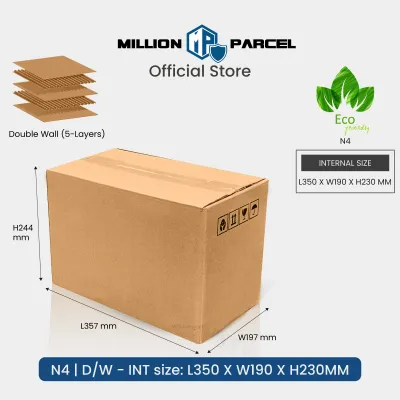
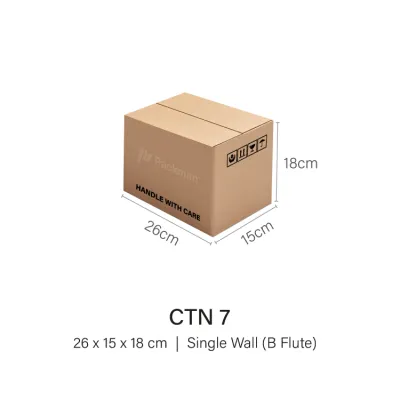
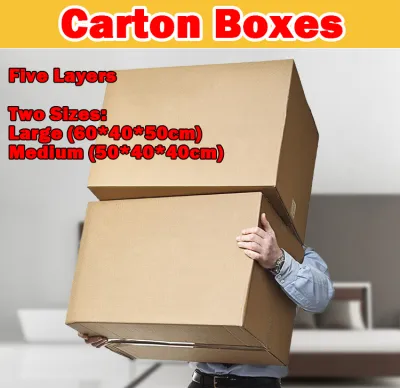
Prices are valid at publication and may change. Please refer to the product page for the latest price.
Instead of getting bogged down in complex technical metrics like the Edge Crush Test (ECT) or Mullen burst test values, simplify your decision. Focus on visible wall construction (single-wall versus double-wall) and the maximum weight capacity printed on the box’s certificate stamp. For most standard household goods, single-wall boxes are perfectly adequate. For heavy books, delicate electronics, or fragile kitchenware, always opt for double-wall construction to prevent structural failure.
Small Moving Boxes: Dimensions and Best Items to Pack
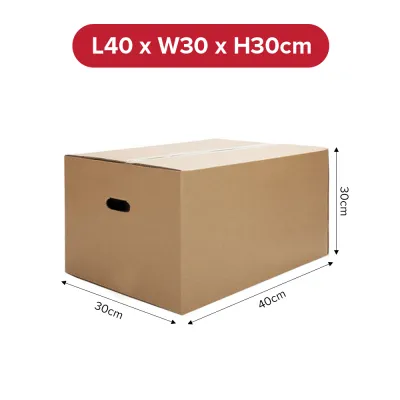
Small moving boxes typically range in volume from 1.0 to 1.5 cubic feet (approximately 28 to 42 liters), with common physical dimensions around 16 x 12 x 12 inches (40 x 30 x 30 cm). Always verify the exact dimensions on the product listing or manufacturer label before purchasing, as standards can vary slightly between packaging suppliers.

This size is the designated workhorse for dense, heavy items. It is the ideal vessel for books, hand tools, canned pantry goods, small electronics, and vinyl records. Because these items carry substantial weight relative to their physical size, packing them in larger boxes quickly creates an unmanageable load.
The physics of packing dictate that weight must be kept manageable for safe lifting. A small box filled with books can easily weigh 15 to 20 kilograms, which is near the safe lifting limit for an average adult. If you make the common mistake of packing these heavy items into a large box, the bottom seams are highly likely to fail, and you risk severe personal injury when attempting to lift it.
Medium Moving Boxes: Dimensions and Best Items to Pack
Medium moving boxes generally offer a volume of 2.0 to 3.0 cubic feet (approximately 56 to 85 liters), with typical dimensions of 18 x 18 x 16 inches (45 x 45 x 40 cm). This highly versatile size serves as the backbone of most residential moves, accommodating items that are too bulky for small boxes but too heavy for large ones.
This size is perfectly suited for standard household goods such as shoes, toys, small kitchen appliances, pots and pans, folded clothing, and office supplies. When packing a medium box, always practice load balancing. Place the heaviest items—such as a slow cooker or heavy frying pans—flat at the bottom of the carton, and layer lighter items, like plastic kitchen storage containers or dish towels, on top to fill the remaining space.
Pay close attention to how heavy the box feels as you pack it. If a medium box begins to feel uncomfortably heavy to lift, immediately stop and transfer some of the contents to a small box. Conversely, if you are packing highly lightweight but bulky items that take up too much space, upgrade to a larger box to optimize your packing efficiency.
Large and Extra-Large Boxes: Dimensions and Best Items to Pack
Large and extra-large moving boxes span a volume of 4.0 to 6.0+ cubic feet (approximately 113 to 170+ liters), with dimensions starting around 20 x 20 x 20 inches (50 x 50 x 50 cm) and extending upward. These expansive cartons are designed specifically to consolidate bulky, low-density items that require physical space rather than structural weight support.
The best items to pack in these large containers include pillows, blankets, winter coats, bed linens, stuffed toys, cushions, and lightweight decorative items. Because these goods have high volume but low mass, they will fill the box completely without making it too heavy to carry.
There is a strict safety warning associated with these larger sizes: never pack heavy items into a large or extra-large box. Filling a 4.5-cubic-foot box with books or kitchenware makes it virtually unliftable, poses a severe risk of acute back injury, and almost guarantees a bottom blowout during transit. When preparing these boxes, always reinforce the bottom center seam and the side edges with multiple strips of high-quality packing tape to secure the flaps.
Specialty Moving Cartons for Fragile and Awkward Items
Standard rectangular boxes are not always suitable for specialized household items. To protect delicate or oddly shaped belongings, manufacturers produce specialty moving cartons tailored to specific packing challenges.
Wardrobe Boxes for Hanging Clothing
Wardrobe boxes are tall, upright cartons equipped with a built-in metal or heavy-duty cardboard hanging bar running across the top. This design allows you to transfer clothing directly from your closet hanger onto the bar without folding, rolling, or removing the garments from their hangers.
These boxes are ideal for suits, formal dresses, delicate fabrics, and heavy winter coats that are highly prone to wrinkling or damage when packed flat. However, wardrobe boxes have an exceptionally large physical footprint and take up significant space in a moving truck. Use them selectively for garments that require pristine preservation, and pack standard casual wear in medium boxes to conserve valuable transport space.
Dish Packs and Picture Boxes for Fragiles
Dish pack boxes are specially engineered with double-wall corrugated cardboard to absorb shocks and vibrations during transit. They are designed to accommodate customizable cardboard cell dividers, which isolate individual glassware pieces, porcelain plates, bowls, and stemware from colliding with one another.
Picture and mirror boxes feature flat, slim profiles and often utilize a telescoping two-piece design. This allows you to slide two halves together to adjust the box to the exact length of framed artwork, mirrors, or flat glass panels. Before purchasing these specialty cartons, always measure the outer dimensions of your frames and the depth of your dishes. Standard specialty boxes may not accommodate oversized frames or exceptionally deep serving bowls, requiring you to source custom-sized packaging or alternative cushioning.
Verifying Box Quality and Safe Packing Practices
Before packing a single item, inspect every box for structural integrity. Whether you are using brand-new cartons or sourcing recycled ones, check for signs of previous damage, soft or damp spots, moisture stains, crushed corners, or deep creases along the cardboard walls. Any of these defects can reduce the box’s load-bearing capacity by over 50 percent, risking a collapse when stacked in a moving vehicle.
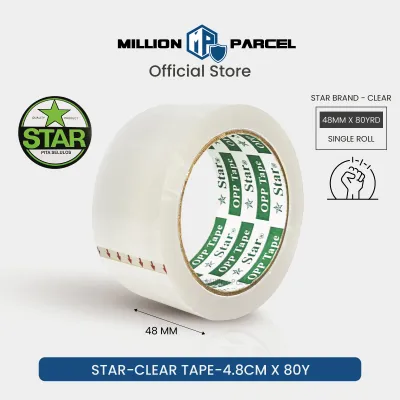
Always read the manufacturer’s printed weight limit label, usually found on the bottom flap of the box, rather than estimating capacity based on visual size. To secure the box, use the H-tape method: apply a long strip of high-quality packing tape down the center seam of the flaps, extending at least three inches down the sides, and then seal the exposed side edges to form an “H” shape. Never use masking tape, duct tape, or string, as these materials lack the tensile strength and adhesive properties required to hold corrugated cardboard under pressure.
Establish a clear safety boundary for your move. If you encounter an item that is exceptionally heavy, highly valuable, or awkwardly shaped—and you feel uncertain about whether a standard moving box can safely support it—stop packing. In these scenarios, consult professional movers or invest in specialized wooden crates to ensure your assets are fully protected.
Frequently Asked Questions (FAQ)
Can I use free supermarket or grocery boxes for moving?
While free grocery boxes are highly accessible, they come with hidden risks. These boxes have an unknown structural history and may have been subjected to heavy loads, rough handling, or moisture during retail transit, which severely compromises their strength. Furthermore, in tropical climates like Singapore, discarded food boxes can harbor pests, insect eggs, or food residue that attracts unwanted insects into your clean household goods. It is best to use purpose-built moving boxes for valuable, fragile, or fabric items, reserving free grocery boxes only for non-fragile, low-value items.
How do I estimate the total number of boxes needed for my home?
The exact number of boxes you will need depends heavily on your household size, lifestyle, and the layout of your home, such as whether you are moving from a compact HDB flat or a spacious multi-room condominium. To estimate your needs, walk through each room and count the storage spaces, shelves, and closets. Allocate a balanced mix of small, medium, and large boxes based on the item categories outlined in this guide. Always purchase a buffer of 10 to 15 percent more boxes than your initial estimate, as running out of packing supplies mid-move is highly disruptive and delays the relocation process.
Community discussion
Share your experience or ask a question. Comments are reviewed before publication.