
When preparing for a wedding, choosing the right envelope is more than just an aesthetic decision; it is a practical one. In the stationery market, a wedding red packet large size typically refers to an envelope measuring approximately 90 mm by 170 mm (about 3.5 inches by 6.7 inches) or larger. These dimensions are specifically designed to house standard banknotes completely flat, without any folding. While smaller, pocket-sized options exist, the large format has become the preferred choice for formal wedding banquets where presentation, etiquette, and cash capacity are paramount.
Selecting the correct size ensures your gift remains pristine and fits seamlessly into the couple’s collection process. Because manufacturers use different templates, understanding the physical dimensions and capacities of these envelopes will help you make an informed purchase that aligns with wedding etiquette.
Understanding the Physical Dimensions of 'Large' Red Packets
In the stationery industry, “large” is a relative retail category rather than a strict, universally enforced manufacturing standard. Envelopes designed for festive gifting are produced by various brands across different regions, each utilizing their own custom cutting dies and artistic templates. Consequently, what one brand labels as “large” might differ slightly from another brand’s classification.
Products mentioned in this guide
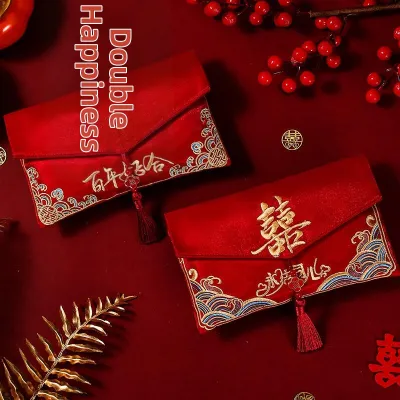
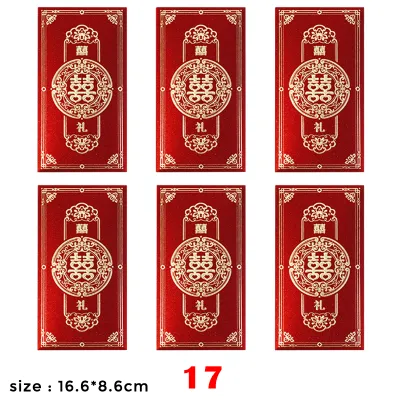
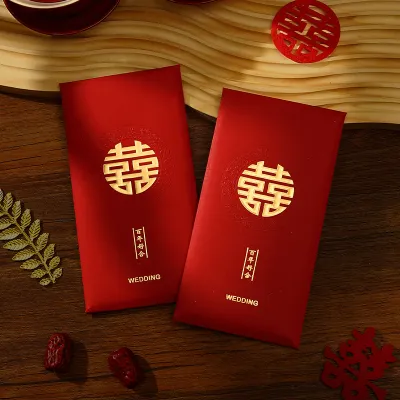
![[SG READY STOCK] Premium Wedding Red Packet | Double Happiness Angbao | Angpao/Angpow/Hongbao | 6pcs/Pack 结婚红包 双喜 喜字红包](https://img.lazcdn.com/g/p/ec9df034dec8ee51e6a720c9cd3b9fb9.jpg_400x400q80.jpg_.webp)

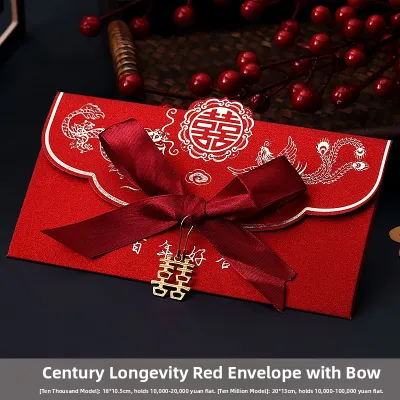
Prices are valid at publication and may change. Please refer to the product page for the latest price.
Typically, standard large red packets (or hongbao) fall within a width range of 85 mm to 100 mm, and a length range of 165 mm to 190 mm. These dimensions are specifically optimized to accommodate the physical length of major international currencies without requiring any folding. Some premium or heavily stylized ceremonial variants can extend up to 110 mm by 210 mm to accommodate decorative tassels, thick cardboard backings, or elaborate fabric embroidery.
Because there is no single governing body enforcing these dimensions, relying solely on a generic “large” label can lead to purchasing errors. Some overseas manufacturers might classify a medium-sized envelope—one that requires folding a note in half—as “large” relative to their mini coin-sized packets. Always look for the exact millimeter or inch specifications on the product packaging or online listing before committing to a purchase.
Translating Dimensions: What Fits Inside a Large Packet?
To choose the right envelope, you must translate physical measurements into practical capacity. A large packet is designed to preserve the presentation of your gift, ensuring the contents do not get damaged or bent.

Unfolded or Single-Fold Banknotes
High-denomination notes, such as the Singapore S$50 or S$100 notes, measure roughly 156 mm x 74 mm and 162 mm x 77 mm respectively. A red packet measuring at least 90 mm x 170 mm allows these notes to slide in effortlessly without any bends, keeping the currency crisp and pristine. For many, presenting flat, uncreased money is a sign of respect and good fortune.
Cheques and Gift Cards
For many modern weddings, guests prefer writing bank cheques to avoid carrying large sums of cash. Standard bank cheques measure approximately 175 mm by 88 mm. A standard 90 mm x 170 mm packet will be too tight for a cheque, meaning you would need an oversized large packet (at least 95 mm x 180 mm) to ensure the cheque does not get bent or torn at the edges. Rigid gift cards or voucher booklets also require this extra clearance, as they cannot be folded at all.
Thick Stacks
When gifting a substantial cash sum using lower-denomination notes, the physical volume increases quickly. A larger surface area allows the notes to spread out slightly rather than stacking directly on top of each other in a tight bundle. This prevents the envelope from bulging awkwardly, which can weaken the adhesive on the flap or cause the paper to tear during transit.
Matching Packet Size to Your Wedding Gifting Scenario
Gifting etiquette often guides the physical size of the envelope you choose. Aligning the scale of your packet with the specific wedding scenario helps convey the appropriate level of formality.
- Large Packets: These are best reserved for significant cash gifts, close family members (such as parents, siblings, or key relatives), VIP guests, or when presenting corporate cheques and formal gift cards. In wedding traditions, the physical size of the packet subtly signals the formality and significance of the gift. A larger, pristine envelope presented at the reception table reflects respect and high regard for the couple.
- Standard/Medium Packets: These typically measure around 80 mm x 120 mm and require folding banknotes once. They are highly suitable for general wedding guests, friends, colleagues, or acquaintances where a standard cash gift is expected and a single fold is perfectly acceptable.
- Mini Packets: Measuring around 60 mm x 80 mm or smaller, these are designed for small token gifts, single coins, or symbolic amounts. They are rarely used for primary wedding cash gifts because they require folding notes multiple times, which is generally avoided for formal wedding ceremonies.
How to Verify the Correct Size Before You Buy
Buying stationery online or in bulk requires a bit of preparation to avoid sizing errors. Follow these actionable steps to ensure your red packets are fit for purpose.
- Measure Your Contents: Before making a purchase, measure the longest and widest items you plan to insert. If you are writing a cheque, measure its exact length and width. If you are gifting crisp new banknotes, check their official dimensions. Ensure your chosen red packet has at least 5 mm to 10 mm of clearance on all sides.
- Check Product Specs: Always look past the generic "large" or "XL" marketing descriptions. Scroll down to the technical specifications section of the online listing or read the back of the physical packaging to verify the exact length and width in millimeters.
- Consider Paper Thickness: High-quality wedding red packets often use thick, textured paper, heavy cardstock, or fabric ranging from 120 GSM to 250 GSM. Some feature elaborate 3D embossing, foil stamping, or multi-layered paper cutouts. These decorative elements reduce the internal flexibility of the envelope. If you plan to insert a thick stack of notes or a rigid card, choose an envelope with slightly larger dimensions to compensate for the lack of stretch in the paper.
Frequently Asked Questions (FAQ)
Is it acceptable to fold banknotes to fit smaller red packets?
While folding a banknote once is perfectly acceptable for medium-sized packets given to friends or colleagues, tight or multiple folds are generally discouraged in wedding gifting etiquette. Crisp, unfolded notes presented in a large packet are considered more respectful and auspicious. If you want to maintain the pristine condition of the currency, sizing up to a large packet is highly recommended.
Do large red packets require different postage if mailed?
Yes, if you are unable to attend the wedding in person and decide to mail your red packet, size and thickness matter. Oversized, heavy, or thick envelopes (especially those containing cheques or thick stacks of cash) may exceed standard local postal limits for basic letter rates. In Singapore, envelopes that are unusually thick or rigid must be sent as packages or registered mail. Always check local postal guidelines to ensure your packet has the correct postage and is safely trackable.

Community discussion
Share your experience or ask a question. Comments are reviewed before publication.