
Finding the right size big rectangular storage box requires balancing the physical volume of your belongings with the weight limits of the container and the dimensions of your storage space. In Singapore, where home storage space in HDB flats or condominiums is highly optimized, choosing the wrong box size can lead to cluttered rooms, damaged items, or boxes that simply do not fit into your household bomb shelter, storeroom, or closet. To make the right choice, you must evaluate what you are storing, measure your physical storage areas, and understand how box dimensions translate to actual usable capacity.
Assess Your Belongings: Volume, Shape, and Fragility
Before purchasing any packaging materials, group your belongings by density and fragility. Heavy, compact items like books, files, and documents require different containment strategies than bulky, lightweight goods like winter clothing, plush toys, or spare bedding. Mixing these categories in a single large box often leads to crushed items or a container that is too heavy to lift safely.
Irregularly shaped items, such as kitchen appliances, sports gear, or decorative pieces, present another challenge. These objects do not stack neatly, leaving empty spaces or dead corners inside a rectangular box. When planning your box size, you must measure the widest, tallest, and deepest points of these irregular items to ensure they fit within the box’s internal boundaries.
Products mentioned in this guide
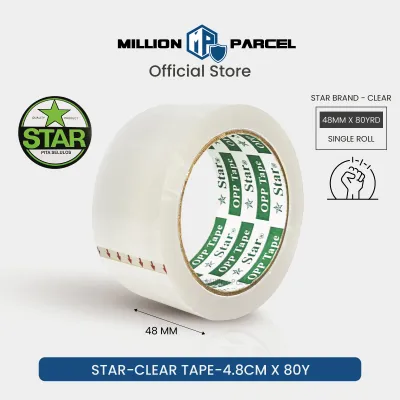
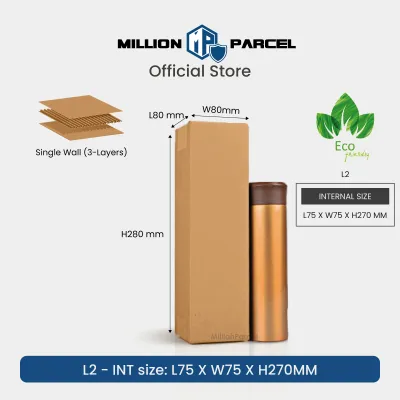
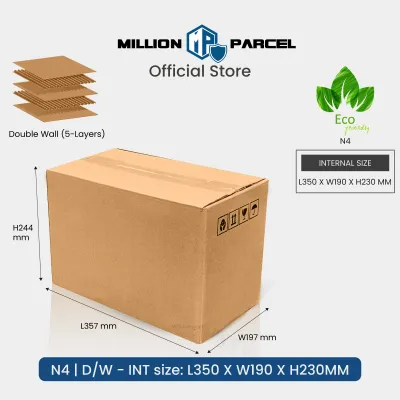
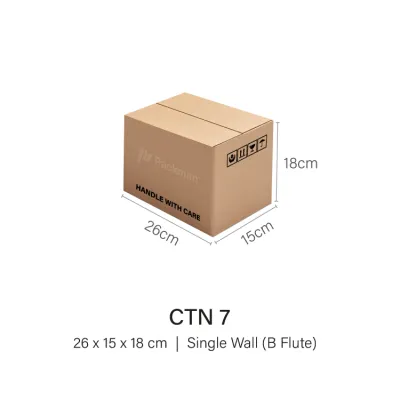
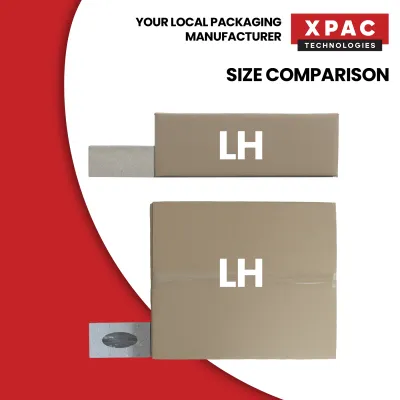
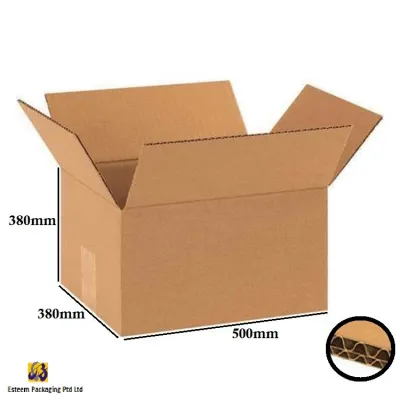
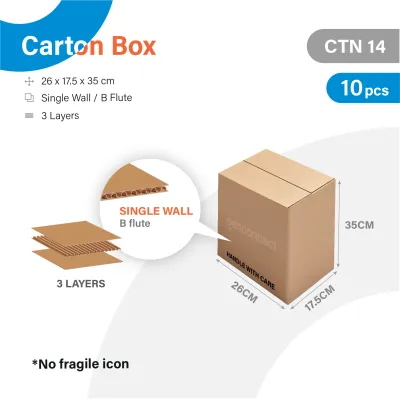
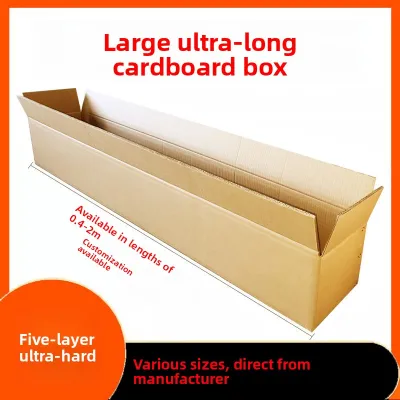
Prices are valid at publication and may change. Please refer to the product page for the latest price.
Additionally, fragile items require a buffer zone. If you are packing glassware, ceramics, or delicate electronics, you cannot rely on the item’s dimensions alone. You must allocate an extra 3 to 5 centimeters of space on all sides of the object to accommodate protective padding, such as bubble wrap, packing paper, or foam inserts, to prevent damage during transit or long-term storage.
Measure Your Storage and Transit Spaces
A large rectangular storage box is only useful if it can easily travel from your packing area to its final storage destination. Begin by measuring the clearance widths of your home’s doorways, narrow hallways, staircases, and lift entrances. In many Singapore apartments, tight corners or narrow entryways can make maneuvering an oversized, fully loaded box exceptionally difficult.

Next, measure the exact dimensions of your designated storage zones. Whether you plan to stack boxes inside an HDB bomb shelter, place them on heavy-duty metal shelving units, slide them under a bed frame, or store them inside a built-in wardrobe, you need precise depth, width, and height measurements. Compare these space limits directly against the external dimensions of the boxes you plan to buy.
Stacking height is another critical factor. While rectangular boxes are designed to stack efficiently, you must consider the vertical clearance of your ceiling or shelf. Furthermore, stacking multiple heavy boxes can compromise the structural integrity of the bottom container. Ensure you plan a stacking layout that distributes weight evenly and keeps the overall height within a safe, reachable limit.
Match Item Categories to Box Dimensions
To prevent structural failure and ensure safe handling, match specific item categories to appropriate box proportions. For dense, heavy items like books, files, or ceramic tableware, opt for smaller, high-strength boxes rather than one massive container. Keeping heavy items in smaller boxes ensures the total weight remains manageable for a single person to lift and prevents the bottom of the box from giving way.
Conversely, large, wide rectangular boxes are ideal for lightweight, high-volume items. Bedding, pillows, winter coats, and linens can fill a large volume without making the box excessively heavy. For these items, a spacious box allows you to pack everything efficiently, reducing the total number of containers cluttering your living space.
If you need to store long or awkward items that cannot be folded—such as rolls of wrapping paper, architectural blueprints, or sports equipment—look for specialized rectangular boxes with a high length-to-width ratio. These elongated boxes protect long items from bending or warping while keeping them organized alongside your standard-sized storage containers.
In Singapore’s humid climate, if you are storing paper documents, books, or archival materials, verify that the box material offers adequate moisture resistance. For long-term paper storage, using sealed plastic rectangular boxes or adding desiccant packets inside cardboard boxes can prevent paper warping, dampness, and mold growth.
Verify Box Specifications Before Buying
When browsing options on online marketplaces or at local packaging suppliers, always distinguish between external and internal dimensions. External measurements are crucial for planning your storage layout and ensuring the box fits on your shelves. However, the internal dimensions dictate the actual packing capacity, which is always slightly smaller due to the thickness of the box walls.
Examine the manufacturer’s specifications for material thickness and construction. For cardboard boxes, look for the ply count; double-wall cardboard offers significantly more structural support and puncture resistance than single-wall alternatives, making it better suited for stacking and heavier loads. For plastic storage boxes, check the thickness of the plastic and look for reinforced bases that resist bowing under weight.
Additionally, consider how design features affect the usable interior space. Integrated carry handles, recessed lids for stacking, reinforced corner brackets, or folding mechanisms can protrude into the interior of the box. Always verify whether the listed internal dimensions account for these design elements so you do not find yourself with slightly less packing space than anticipated.
Common Sizing Mistakes to Avoid
One of the most frequent errors is relying solely on external measurements when purchasing storage boxes. This mistake often results in boxes that fit perfectly on a shelf but are too small internally to hold the intended items, or conversely, boxes that hold the items but cannot fit through closet doors. Always cross-reference both sets of measurements before making a decision.
Another common pitfall is overestimating the box’s weight capacity and overpacking. Stuffing a large rectangular box to its absolute limit not only makes it incredibly difficult to carry but also puts immense stress on the seams, base, and handles. This increases the risk of the box tearing or breaking during transit, potentially damaging your belongings or causing personal injury.
Finally, remember to reserve top clearance when packing. For cardboard boxes, you must leave enough space at the top to fold the flaps completely flat and seal them securely with packaging tape. For plastic containers, ensure items do not protrude past the rim, allowing the lid to snap shut tightly. Forcing a lid or flap closed can warp the box, compromise its seal, and leave your items vulnerable to dust and humidity.
Frequently Asked Questions (FAQ)
Is it better to use one extra-large box or two medium boxes for heavy items?
It is highly recommended to use two medium boxes instead of one extra-large box for heavy items. Splitting dense belongings, such as books or heavy kitchenware, distributes the weight into manageable loads. This prevents the structural failure of the box base, protects the handles from tearing, and significantly reduces the risk of back strain or injury when lifting and moving the containers.
How much extra space should I leave inside the box for packing materials?
As a general guideline, you should leave approximately 3 to 5 centimeters of clearance on all sides of fragile or irregularly shaped items for protective padding. This space should be filled with bubble wrap, packing paper, or foam inserts to cushion the items against impacts. For non-fragile items like clothing or linens, no extra clearance is necessary, and you can pack the box to its usable capacity.

Community discussion
Share your experience or ask a question. Comments are reviewed before publication.