
Swiss voile fabric is a premium, lightweight, and semi-sheer woven material celebrated for its exceptionally fine yarns, crisp hand feel, and elegant drape. While many associate it with high-grade cotton, the “Swiss” designation historically represents a rigorous standard of weaving and specialized finishing processes rather than a single raw fiber. For sewists, crafters, and designers, identifying genuine Swiss voile involves looking closely at its structural composition, yarn uniformity, and tactile characteristics. Understanding these elements ensures you select the right material for delicate garments, heirloom sewing, or home decor projects.
Defining Characteristics of Swiss Voile
The defining feature of Swiss voile lies in its plain-weave construction, utilizing highly twisted, long-staple fibers. This high twist gives the fabric its signature crispness, preventing it from feeling limp despite its remarkably low weight. Unlike standard fabrics, Swiss voile maintains a delicate balance between transparency and structural integrity, offering a semi-sheer appearance that diffuses light beautifully. This unique combination of sheerness and body makes it highly sought after for intricate garment details.
When examining the weave, you will notice a high thread count achieved through incredibly thin, uniform yarns. This tight yet lightweight structure provides excellent breathability, making it a favored choice for warm-weather apparel in humid climates. The drape of genuine Swiss voile is distinct; it does not cling to the body but instead holds a soft, airy volume that creates elegant silhouettes in gathered or pleated designs. It behaves differently from silk or polyester chiffon, offering a more structured loft rather than a fluid, heavy drop.
Products mentioned in this guide
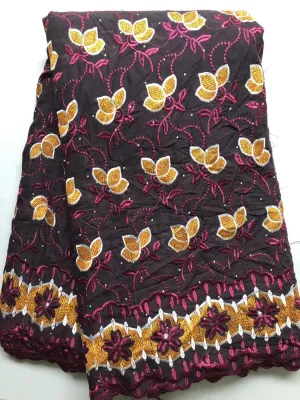
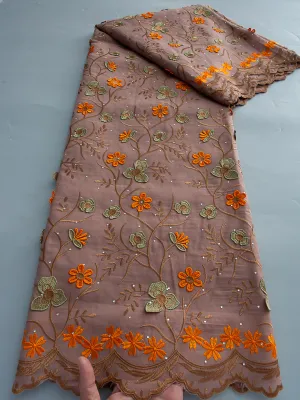
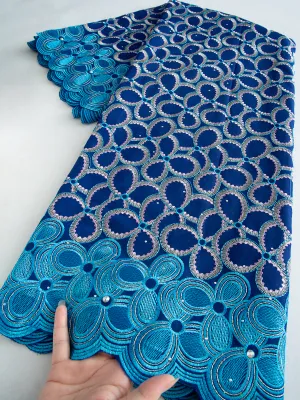
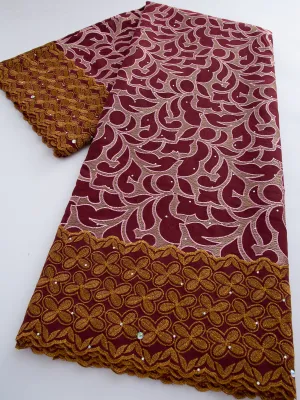
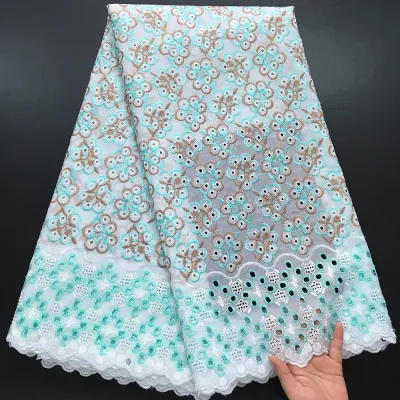
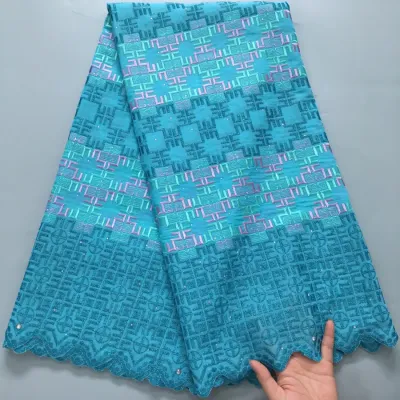
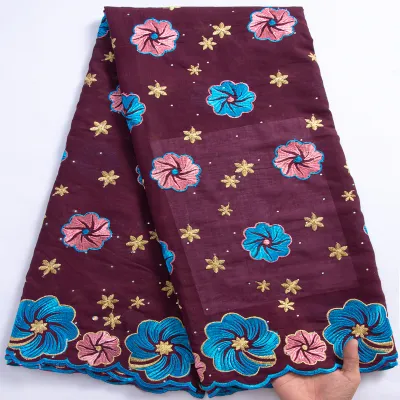
Prices are valid at publication and may change. Please refer to the product page for the latest price.
To identify high-quality Swiss voile visually, observe the fabric surface under natural light. The weave should display remarkable consistency across the entire width of the bolt. Look for the absence of slubs, knots, or irregular thick-and-thin sections in the yarns. A uniform, smooth surface indicates that the manufacturer used combed, long-staple fibers, which are essential for achieving the fabric’s characteristic durability and refined texture. Any noticeable irregularities often point to lower-grade fibers or less precise weaving standards.
How to Verify Quality and Authenticity Before Purchase
Verifying the quality of Swiss voile before purchasing requires a combination of visual inspection and careful label reading. When shopping in person, hold a single layer of the fabric up to a clear light source. This allows you to evaluate the density of the weave and check for any irregular gaps, loose threads, or weaving defects. A high-quality voile will show a consistent, grid-like pattern without cloudy patches or uneven spacing, ensuring that the finished garment wears evenly over time.

Always read the product label or manufacturer specifications to verify the exact fiber content. Traditional Swiss voile is made from 100% combed cotton, but modern variations may include polyester blends or other synthetic fibers. While blends can offer increased wrinkle resistance and lower costs, they often lack the excellent breathability and soft aging characteristics of pure cotton. Checking the country of origin or the specific mill certification on the bolt can also help confirm if the fabric meets authentic Swiss finishing standards, which often involve specialized mercerization processes.
Physical handling of a fabric swatch or the edge of the bolt provides critical clues about its stability. Gently rub the fabric between your fingers to assess the finish; it should feel smooth and crisp, not stiff or coated with excess sizing starch. Check the selvage for excessive fraying or distortion, as stable edges indicate a well-tensioned weave that will not warp during pre-washing. Additionally, perform a quick rub test on a small area with a damp white cloth to ensure there is no immediate color transfer or dye rubbing off, which indicates poor colorfastness.
Sewing, Handling, and Care Considerations
Swiss voile is highly versatile but well-suited for specific project types that benefit from its sheer, lightweight nature. It excels in delicate summer blouses, lined dresses, heirloom children’s clothing, and lightweight curtains. However, due to its fine structure, it is not suitable for high-stress applications, heavy-duty upholstery, or garments requiring structured, rigid support without appropriate underlining. When planning a garment, consider whether you will need a matching lining fabric, such as a lightweight cotton lawn, to manage the transparency.
Handling this slippery, lightweight fabric during cutting and sewing requires patience and the right tools. To prevent the fabric from shifting on your cutting table, consider using a rotary cutter on a self-healing mat or pinning the fabric to tissue paper before cutting. When sewing, use fine, sharp pins to avoid leaving permanent holes in the delicate weave. Adjusting your sewing machine’s tension and using a straight-stitch foot or a walking foot can also help prevent the fabric from being pulled down into the needle plate or puckering along the seams.
For care and maintenance, always refer to the manufacturer’s specific guidelines on the product label before washing your finished project. While pure cotton Swiss voile can often be hand washed or laundered on a gentle cycle in cool water, some delicate finishes or blends may require dry cleaning. To preserve the crisp texture and prevent shrinkage, air drying is generally recommended, followed by ironing on a suitable temperature setting while the fabric is still slightly damp. Avoid high-heat tumble drying, which can degrade the fine fibers and cause premature wear.
Frequently Asked Questions (FAQ)
Is Swiss voile the same as standard cotton voile?
No, Swiss voile is distinct from standard cotton voile due to its refined yarn quality and specialized manufacturing processes. Standard cotton voile often uses shorter cotton fibers and lower twist yarns, resulting in a softer, sometimes limp texture that is more prone to pilling. Swiss voile utilizes highly twisted, long-staple combed cotton yarns and undergoes specific finishing treatments that impart its signature crisp hand feel, higher transparency, and exceptional durability. These differences are easily felt when comparing swatches side by side, as Swiss voile feels noticeably smoother, crisper, and more resilient.
Does Swiss voile require special sewing machine needles?
Yes, sewing Swiss voile successfully requires selecting the correct needle size and type to prevent fabric damage. Because the yarns are so fine and tightly woven, standard universal needles can cause snagging, puckering, or visible holes. It is recommended to use a sharp, fine needle, such as a size 60/8 or 70/10 Microtex or sharp needle. If you notice skipped stitches, fabric pulling, or small snags along the seam line during a test run on a scrap piece, it is a clear sign that you need to replace the needle with a fresh, sharper one or slightly loosen your machine’s thread tension.

Community discussion
Share your experience or ask a question. Comments are reviewed before publication.