
Ramie is a natural bast fiber derived from the nettle family (Boehmeria nivea), celebrated for its exceptional strength, subtle natural luster, and crisp, structured drape. Often compared to linen, this ancient textile offers excellent breathability and moisture-wicking properties, making it highly suitable for warm, humid climates like Singapore. However, before purchasing ramie fabric for a sewing project or buying ready-made garments, you must understand its unique handling requirements, high wrinkling tendency, and specific care instructions to ensure it fits your lifestyle and sewing skills.
Understanding the origin of the fiber helps clarify its performance. Unlike cotton, which grows as a soft boll, ramie comes from the inner bark of the plant’s stalk. Extracting these fibers requires a labor-intensive process of decortication, washing, and degumming to remove the natural resins. The resulting fiber is incredibly strong, lustrous, and white, which allows it to be woven into beautiful, durable textiles that have been used for thousands of years.
Identifying the Core Characteristics of Ramie Fabric
Ramie fibers possess a natural, subtle sheen that catches the light differently than cotton. When handling raw or unwashed ramie, you will notice a distinct, slightly stiff hand feel and a textured surface marked by irregular slubs. These slubs are natural variations in fiber thickness, giving the fabric a rustic, organic appearance that distinguishes it from synthetic alternatives. This unique texture adds visual depth to garments, making even simple designs look sophisticated and tactile.
Products mentioned in this guide
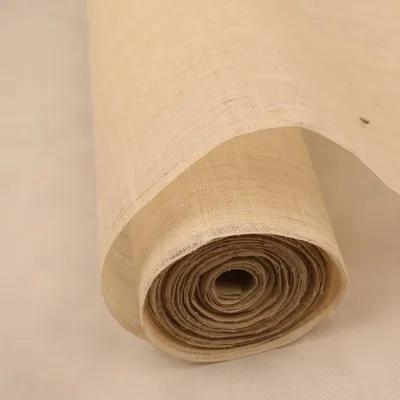
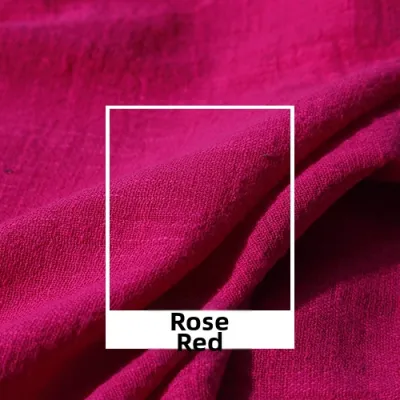
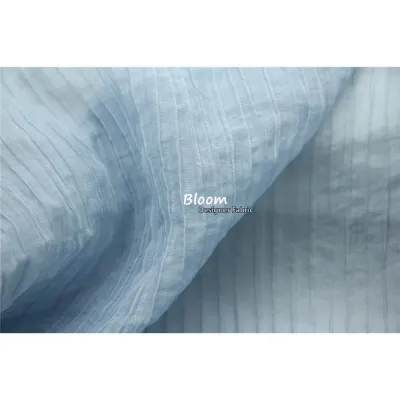
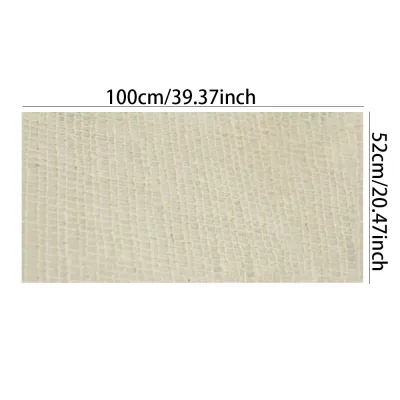
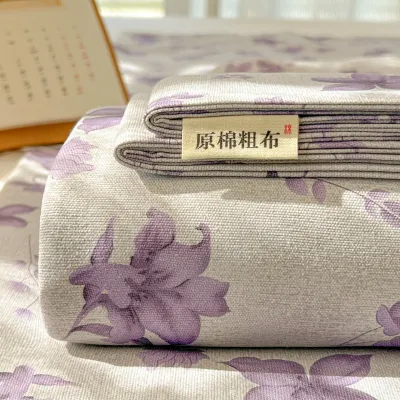

Prices are valid at publication and may change. Please refer to the product page for the latest price.
One of the most notable physical traits of ramie is its high tensile strength, which actually increases when the fiber is wet. This strength translates to excellent structural rigidity, allowing garments to hold sharp pleats, collars, and defined silhouettes. However, this same rigidity limits the fabric’s soft, fluid draping capabilities, meaning it will not flow or cling like silk or rayon. If your project requires a soft, romantic drape, pure ramie may not be the ideal choice.
As a natural cellulose fiber, ramie is highly breathable and excels at absorbing and releasing moisture. In warm and humid environments, this rapid moisture-wicking behavior helps keep the skin dry and cool, preventing the sticky discomfort often associated with synthetic fabrics. The fiber’s natural resistance to bacteria and mildew also makes it an excellent choice for tropical climates where humidity levels remain consistently high.
Like other bast fibers, ramie has low elasticity, which makes it highly prone to sharp, stubborn wrinkles during wear. The initial stiffness of the fabric can feel somewhat rigid against the skin, but this texture typically softens with repeated washing and wearing as the stiff pectin binders in the fibers break down. Embracing the natural creasing of the fabric is part of the appeal of wearing ramie, much like wearing high-quality linen.
Selecting the Right Ramie Blend and Weight for Your Project
If you find pure ramie too stiff or prone to deep creasing, blended varieties offer a practical compromise. Mixing ramie with cotton introduces softness and reduces the severity of wrinkles, while blending it with silk adds a luxurious drape and enhanced luster. Evaluating these blends allows you to balance the crispness of the natural nettle fiber with the desirable characteristics of other materials, expanding the range of garments you can successfully create.

Ramie is available in various weights, each suited to specific applications. Lighter weights are ideal for airy summer blouses, sheer curtains, or lightweight shirts that benefit from a breezy feel. Medium to heavier weights provide the necessary substance for structured trousers, utility jackets, or home textiles like table runners and cushion covers. Matching the fabric weight to your specific pattern ensures the finished item performs as intended.
Before finalizing your purchase at a local textile shop or online marketplace, always check the manufacturer’s label for the exact fiber composition. Look for standardized care symbols to confirm whether the fabric requires dry cleaning or can tolerate machine washing, as some delicate blends or finishes demand specialized care. Verifying these details beforehand prevents unexpected shrinkage or damage during the first wash.
When purchasing fabric by the meter, inspect the weave closely under good lighting. While natural slubs are a normal characteristic of ramie, you should check for actual weaving defects such as loose threads, uneven tension, or holes that could compromise the structural integrity of your finished project. A consistent weaving density ensures that the fabric will wear evenly and withstand the stress of construction and daily use.
Essential Preparation and Sewing Techniques for Ramie
Because ramie is a natural plant fiber, it is highly susceptible to shrinkage during its first exposure to water. You must pre-wash and dry the fabric using the exact temperature and cycle settings you plan to use for the finished garment. This step ensures that your completed project will not shrink out of fit after its first post-construction wash, saving you from the disappointment of a ruined garment.
The crisp, slippery nature of some lightweight ramie weaves can make cutting challenging. Take time to align the grainline precisely on your cutting table, securing the fabric with pattern weights or fine pins to prevent shifting. Accurate cutting is essential for maintaining the drape and balance of structured garments, as any misalignment can cause the seams to twist or pull unevenly once assembled.
Choose your sewing machine needle based on the weight of your specific ramie fabric. A sharp, universal needle (size 70/10 for light weights or 80/12 for medium weights) paired with high-quality polyester or cotton thread generally yields the best results. Always test your stitch length and tension on a scrap piece of the same fabric before sewing the actual garment to avoid puckering or skipped stitches.
Woven plant fibers like ramie are highly prone to fraying along cut edges. To prevent your seams from unraveling during wear and washing, finish the raw edges promptly using a serger, a zigzag stitch, or clean French seams. French seams are particularly effective for lightweight ramie, as they completely enclose the raw edges for a neat, durable finish that looks professional inside and out.
Washing, Ironing, and Storing Ramie Garments Safely
To preserve the strength and appearance of ramie, wash it in cool or lukewarm water using a gentle cycle and mild detergent. Avoid high-temperature washes and harsh agitation, which can cause excessive shrinkage, weaken the natural fibers, and lead to premature wear. Hand washing is often the safest method for delicate or lightweight ramie garments to maintain their structural integrity.
Ramie’s stubborn wrinkles are easiest to remove when the fabric is slightly damp. Set your iron to a medium-high heat setting, or use a steam iron, and press the garment on the reverse side to avoid creating a shiny surface on the fabric. If the fabric has dried completely, a light misting of water can help release deep creases without scorching the delicate plant fibers.
To prevent deep, hard-to-remove creases from setting into the stiff fibers, store your ramie garments carefully. Hanging items on padded hangers helps maintain their shape, while folding them loosely and storing them flat in a cool, dry wardrobe prevents sharp fold lines from weakening the yarns. Avoid crowding your wardrobe, as tight packing can crush the fabric and create new wrinkles.
When drying ramie garments, hang them in a shaded, well-ventilated area rather than in direct, harsh sunlight. Prolonged exposure to intense ultraviolet rays can cause the natural fibers to become brittle, lose their strength, and experience premature color fading. Air drying also helps maintain the natural crispness of the fabric without the harsh friction of a tumble dryer.
Frequently Asked Questions (FAQ)
Is ramie fabric itchy or uncomfortable to wear?
New, unwashed ramie can feel stiff and slightly coarse against the skin due to its natural fiber structure. However, the fabric softens significantly with each wash cycle as the fibers loosen. If you have highly sensitive skin, choosing a ramie-cotton or ramie-silk blend can provide a much softer initial feel while retaining the fabric’s breathable qualities.
How does ramie compare to linen for summer clothing?
While both are highly breathable, moisture-wicking plant fibers ideal for warm weather, they differ in structure and behavior. Ramie is generally stronger, more resistant to mildew, and holds a crisper, more rigid shape than linen. Linen tends to drape more softly over time and develops a characteristic wavy wrinkle pattern, whereas ramie wrinkles in sharper, more defined lines.
Can I dye or bleach ramie fabric at home?
Yes, ramie is a cellulose fiber that accepts fiber-reactive dyes exceptionally well, allowing for vibrant home-dyeing projects. However, you should avoid using harsh chlorine bleach, as it can severely weaken the natural fibers and cause yellowing. Always check the manufacturer’s care label and test a small fabric scrap before applying any chemical dyes or treatments.

Community discussion
Share your experience or ask a question. Comments are reviewed before publication.