
Milk cotton yarn has captured the attention of knitters and crocheters worldwide, offering a unique combination of softness, durability, and vibrant color payoff. If you are looking for a yarn that feels gentle against the skin while remaining easy to work with, this material is an excellent candidate. Choosing the right weight is just as important as selecting the fiber itself, which is why the 4 ply thickness is highly favored for a wide range of projects. Understanding what goes into this yarn and how its structure behaves will help you achieve the best results for your next knitting endeavor.
Understanding Milk Cotton Yarn Composition and Characteristics
Milk cotton is a composite yarn rather than a single-source natural fiber. Despite its dairy-inspired name, it is rarely made of 100% milk protein. Instead, it is typically a blend of cotton fibers and milk chemical derivatives, often combined with synthetic materials like acrylic or polyester. The milk-derived portion is created by extracting casein protein from skim milk, which is then dissolved, chemically spun into wet fibers, and stabilized. This protein fiber is then blended with cotton to create a balanced, versatile thread.
Because “milk cotton” is a broad commercial term, the exact fiber ratios can vary significantly between manufacturers. Some high-quality skeins feature a balanced mix of 60% cotton and 40% milk protein fiber, while budget-friendly alternatives might substitute the milk protein entirely with acrylic processed to mimic its silky texture. For this reason, you should always inspect the physical yarn label to verify the exact fiber percentages rather than relying solely on the product name.
Products mentioned in this guide
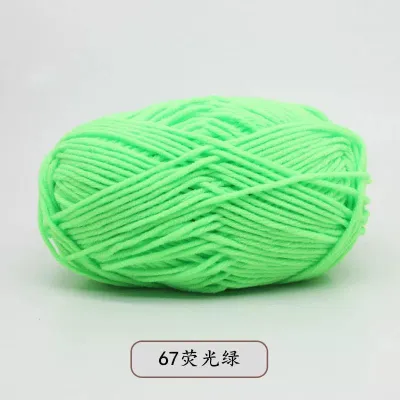
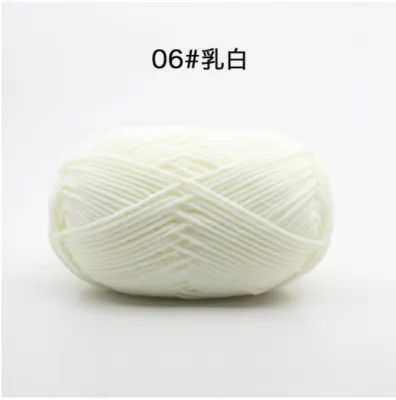
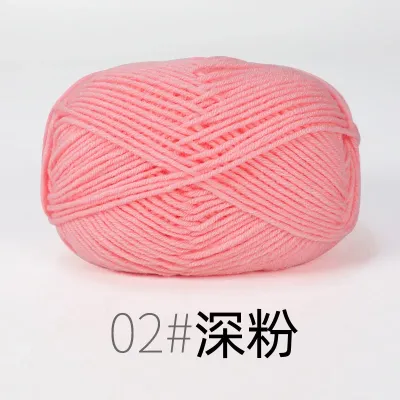
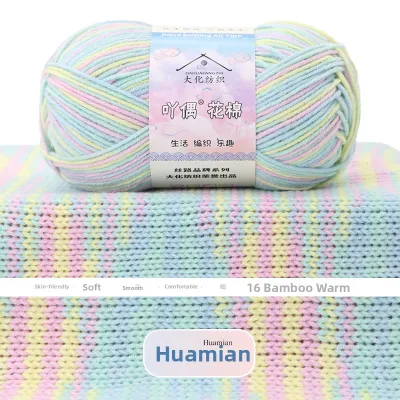
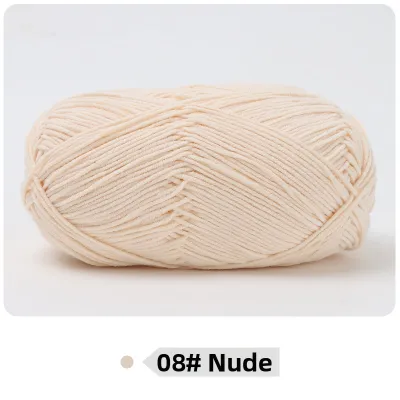
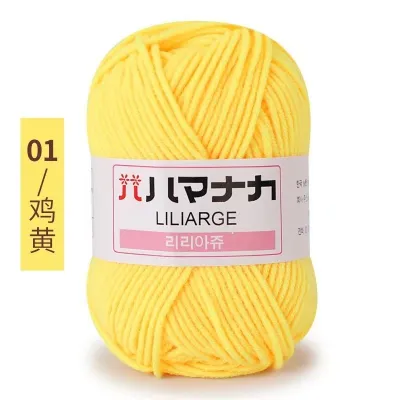
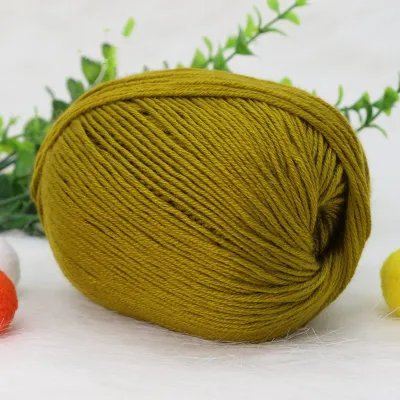
Prices are valid at publication and may change. Please refer to the product page for the latest price.
Each component in the blend contributes distinct physical properties to the finished yarn. The cotton content provides structural strength, breathability, and moisture absorption, making the yarn comfortable to wear in warm climates. The milk protein or synthetic acrylic component introduces a characteristic silky sheen, a soft hand-feel, and a fluid drape that pure cotton often lacks. This combination results in a yarn that is exceptionally smooth to the touch, making it a popular choice for garments worn close to the skin.
What 4 Ply Weight Means for Your Knitting Projects
To use milk cotton yarn effectively, it is essential to understand what the “4 ply” designation means. Historically, the term “ply” referred to the number of individual strands twisted together to form a single thread of yarn. In modern knitting terminology, however, 4 ply is widely used as a standardized weight category, often aligning with fingering or sock weight. A modern 4 ply yarn does not necessarily have to consist of four physical plies; rather, it is the overall thickness of the strand that defines its classification.

This lightweight thickness is highly prized for projects that require delicate stitch definition and a light, airy feel. It is an ideal choice for knitting baby booties, lightweight summer cardigans, delicate shawls, and detailed amigurumi toys. The fine gauge allows you to showcase intricate lace patterns or neat, tight stitches without adding unnecessary bulk to the finished fabric.
Because yarn standards can vary slightly between brands, you should always verify the actual thickness of your specific skein before starting a project. A reliable way to do this is by measuring the Wraps Per Inch (WPI). By gently wrapping the yarn around a ruler and counting how many strands fit within a one-inch space, you can confirm its true weight. For a standard 4 ply or fingering weight yarn, you should typically expect a WPI of 14 to 18. Checking this measurement ensures your project matches the designer’s intended gauge, preventing sizing discrepancies.
Practical Guide to Selecting and Working with 4 Ply Milk Cotton
When selecting 4 ply milk cotton yarn, start by checking the dye lot numbers printed on the paper bands. Even minor variations in the manufacturing process can cause noticeable color shifts in your finished fabric, so ensuring all your skeins share the same dye lot is essential. Additionally, perform a quick colorfastness check if you plan to combine high-contrast colors in a single project. You can do this by dampening a small strand of the yarn and pressing it against a white paper towel to see if any dye transfers.
Working with cotton blends requires a slight adjustment in your knitting technique. Unlike wool, which possesses natural elasticity and springiness, cotton and milk protein fibers have very little stretch. This lack of elasticity means your tension must be consistent, and your hands may tire more quickly if you hold the yarn too tightly. To manage this, always knit a tension swatch before starting your main project. Swatching allows you to see how the fabric drapes and whether you need to adjust your needle size. For 4 ply yarn, needles ranging from 2.5 mm to 3.5 mm are standard, but you may need to go smaller if you tend to knit loosely.
Proper care is crucial to maintaining the shape and softness of your finished items. While some synthetic-heavy milk cotton blends can tolerate a gentle machine wash, hand washing in cool water with a mild detergent is always the safest approach. Avoid wringing or twisting the wet garment, as this can permanently stretch the delicate fibers. Instead, gently press the water out using a clean towel, reshape the item, and lay it flat to dry in the shade.
Frequently Asked Questions (FAQ)
Is milk cotton yarn suitable for sensitive skin and baby clothes?
Milk cotton yarn is highly popular for baby items due to its exceptionally soft, non-scratchy texture. However, its suitability ultimately depends on the specific fiber blend and the manufacturing standards of the brand. If the yarn contains a high percentage of synthetic acrylic or has been treated with harsh chemical dyes, it may cause irritation on highly sensitive skin. When knitting for infants or individuals with skin conditions, always inspect the yarn label for recognized textile safety certifications, which verify that the product is free from harmful levels of toxic substances.
Does 4 ply milk cotton yarn pill or stretch out of shape?
Like many blended yarns, 4 ply milk cotton is susceptible to both pilling and stretching over time. Pilling occurs when friction causes loose fibers to push to the surface and form small balls, a characteristic common in blends with high acrylic content. Stretching, on the other hand, is driven by the weight of the cotton and the lack of natural elasticity in the fibers. To minimize these issues, knit your projects at a slightly tighter gauge to provide more structural support. When storing finished garments, always fold them neatly and place them in a drawer rather than hanging them, as gravity will inevitably pull a hung garment out of shape.

Community discussion
Share your experience or ask a question. Comments are reviewed before publication.