
Milk yarn is a unique, semi-synthetic textile fibre created by blending casein protein extracted from milk with other synthetic or regenerated fibres, most commonly acrylic or viscose. Known for its exceptional softness, silk-like sheen, and fluid drape, this material has become a popular choice among knitting and crochet enthusiasts looking for an alternative to traditional animal wools or pure synthetics. Because milk yarn is almost always a blended product rather than a pure protein strand, its performance, durability, and texture depend heavily on the specific ratio of ingredients listed on the manufacturer’s label. Understanding these characteristics allows you to select the right skein for your specific crafting needs and ensure your finished projects stand the test of time.
The Composition and Manufacturing of Milk Yarn
To understand how milk yarn behaves on your needles, it helps to look at how it is made. The process begins with skimmed milk, from which the casein protein is extracted through acid precipitation. This isolated protein is then dissolved in an alkaline solution to create a thick, spinnable liquid. Because pure casein fibres are naturally brittle and lack the tensile strength required to withstand the tension of knitting or crocheting, they cannot easily be spun into yarn on their own.
To overcome this structural limitation, manufacturers graft or blend the wet-spun casein protein with other polymers. The most common partner is polyacrylonitrile, which is the chemical base for acrylic yarn. In other cases, the protein is blended with viscose (rayon) or cotton. This chemical co-spinning process classifies milk yarn as a regenerated protein fibre or a semi-synthetic material, rather than a purely natural or organic option.
Products mentioned in this guide
![[SG Stock] [No.50-87] 4 Ply Milk Cotton Yarn 50g | Soft Crochet & Knitting Yarn for Amigurumi | 86 Colours 依棉 4股牛奶棉 钩针棉线](https://img.lazcdn.com/g/p/60e5f584d9effb78ffc69cd9deffdb0a.jpg_400x400q80.jpg_.webp)
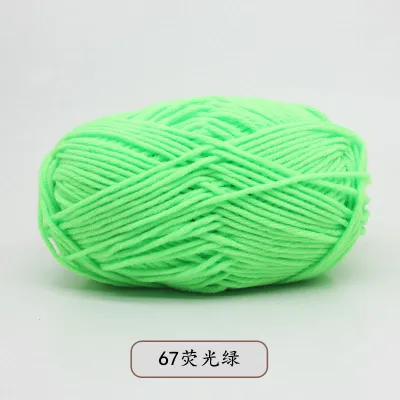
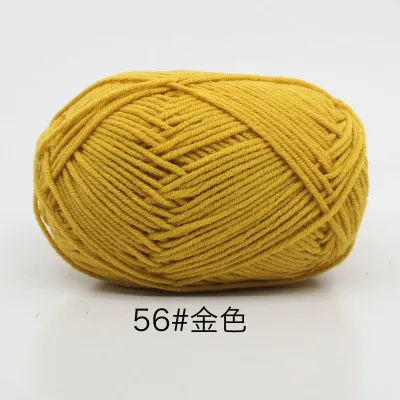
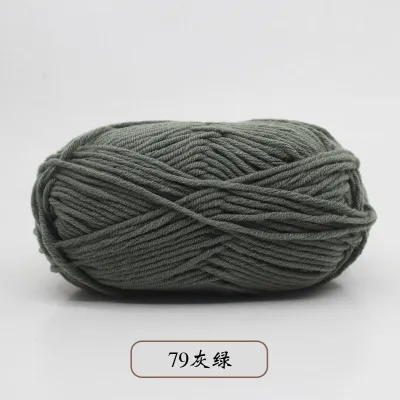
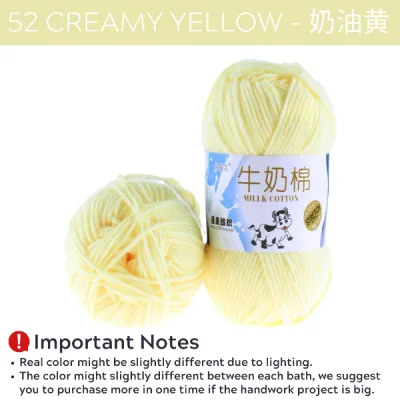
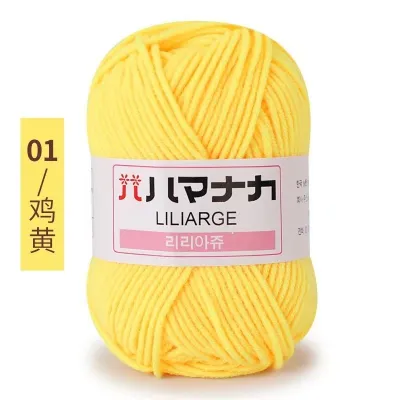
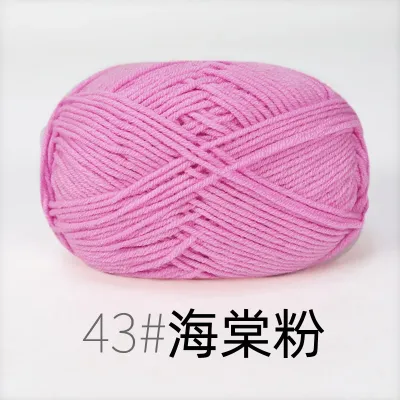
Prices are valid at publication and may change. Please refer to the product page for the latest price.
When shopping, you will find that “milk yarn” is primarily a commercial term. The actual percentage of milk protein in a given skein can vary widely, sometimes making up only a small fraction of the total fibre content, with the remainder consisting of acrylic or polyester. For this reason, you should always check the exact fibre content label on the yarn band to understand exactly what you are purchasing, as the blend ratio directly dictates how the yarn feels, drapes, and wears.
Key Knitting and Crochet Properties
The inclusion of milk protein gives this yarn several distinct physical properties that set it apart from standard synthetic options. The most notable characteristic is its tactile softness. Milk yarn often feels incredibly smooth and cool to the touch, featuring a subtle, elegant sheen that mimics the appearance of silk. This smooth surface allows the yarn to glide effortlessly over your knitting needles or crochet hooks, reducing hand fatigue during long crafting sessions.

In terms of wearability, milk yarn blends generally offer better moisture absorption and breathability than 100% standard acrylic yarns. The protein component helps wick moisture away from the body, making the finished fabric feel comfortable against the skin. This breathability is particularly advantageous if you live in a warm, humid climate like Singapore, where heavy, non-breathable synthetic garments can quickly become uncomfortable to wear.
However, because the elasticity and structural memory of milk yarn can vary significantly depending on its blend, you should always knit or crochet a gauge swatch before starting a major project. A 10×10 centimetre swatch allows you to observe how the stitches settle, evaluate the stitch definition, and test the fabric’s drape. It also helps you determine if the yarn has a tendency to split—a common issue with loosely plied semi-synthetics—allowing you to adjust your tension or hook size accordingly.
Best Projects for Milk Yarn
Because of its fluid drape and gentle texture, milk yarn is highly suited for specific types of garments and accessories. It excels in projects where a soft, flowing fabric is desired. Lightweight summer tops, airy shawls, delicate scarves, and loose-fitting cardigans all benefit from the yarn’s silk-like qualities. It is also a popular choice for baby blankets and lightweight baby garments, where next-to-skin softness is a primary priority.
Conversely, milk yarn is generally unsuitable for projects that require high structural integrity, heavy abrasion resistance, or strong elastic recovery. For example, knitting socks with milk yarn is not recommended, as the fibres lack the natural bounce-back elasticity of wool and will quickly wear through at the heel and toe. Similarly, highly structured bags, tight-fitting garments, or heavy winter wear that needs to hold a rigid shape may sag or stretch out of proportion over time under their own weight.
The weight of the yarn also plays a crucial role in project selection. Milk yarn is available in various standard weights, from delicate lace and fingering weights to versatile DK (double knitting) and worsted weights. A fine lace-weight milk yarn is perfect for openwork crochet shawls, while a thicker DK weight is better suited for soft, drape-heavy garments or blankets. Always match the yarn weight and ply to the structural demands of your chosen pattern.
How to Evaluate and Choose Milk Yarn
When selecting milk yarn for your next project, a systematic evaluation of the yarn band and specifications will help you make the right choice. First, examine the blend ratio. A higher percentage of milk protein typically yields a softer, more luxurious yarn with superior drape, but it may also require more delicate care and carry a higher price tag. A higher percentage of acrylic or cotton increases the yarn’s durability, makes it easier to wash, and often makes it more budget-friendly.
Next, verify the recommended needle or hook size and the suggested gauge printed on the label. This step is essential for ensuring compatibility with your pattern, especially if you are substituting milk yarn for a different fibre specified by the designer. Because semi-synthetic blends can behave differently than wool or cotton, matching the recommended gauge on the label to your pattern’s requirements prevents unexpected sizing issues.
Finally, consider the price-to-value ratio. In Singapore, milk yarn is widely available on various online marketplaces and at local craft shops, with prices typically ranging from a few dollars per skein. Do not assume that all milk yarns are premium products; many affordable options are heavily synthetic-based. Compare the price (in S$) against the total yardage and the protein content to ensure you are getting a fair deal for the quality of the fibre.
Care, Washing, and Maintenance
Proper care is essential to preserve the soft texture and structural integrity of milk yarn garments. Because the yarn contains protein fibres, it is sensitive to high temperatures, harsh chemicals, and aggressive physical handling. High heat can denature the protein structure, leading to a loss of softness, shrinkage, or a dulling of the yarn’s natural sheen.
To maintain your finished items, hand washing in cool water is highly recommended. Use a mild, pH-neutral detergent designed for delicate fibres, and avoid using bleach or harsh alkaline laundry powders. When washing, gently squeeze the soapy water through the fabric without rubbing, wringing, or twisting the garment, as these actions can cause the fibres to pill or stretch permanently out of shape.
After washing, rinse the item thoroughly in cool water. To remove excess moisture, lay the garment flat on a clean, dry towel, roll the towel up gently to absorb the water, and then unroll it. Always dry the item flat on a drying rack in the shade. Never hang a wet milk yarn garment by the shoulders, as the weight of the water will stretch the stitches irreversibly. Finally, remember that the manufacturer’s specific care instructions on the yarn band always override general guidelines, particularly for complex synthetic blends.
Frequently Asked Questions (FAQ)
Is milk yarn suitable for sensitive skin?
While milk yarn is widely celebrated for its exceptionally smooth, non-scratchy texture, individual skin sensitivities can still vary. Because milk yarn is a processed blend containing synthetic polymers like acrylic and various chemical dyes, some individuals may experience sensitivity to these components. To verify if a specific yarn is suitable for you, check the label for recognized textile safety certifications, such as the OEKO-TEX Standard 100, which ensures the product has been tested for harmful substances. Additionally, knitting a small swatch and wearing it against your skin for a few hours is an excellent way to perform a personal trial before investing time in a full garment.
Does milk yarn pill or lose its shape easily?
Pilling and stretching are common characteristics of soft, low-twist yarns, and milk yarn is susceptible to both depending on its composition. Yarns with a higher ratio of milk protein or loosely spun plies are more prone to pilling in high-friction areas, such as under the arms. To minimize these issues, look for milk yarns with a tighter twist, which helps hold the fibres together. When planning your project, choose patterns that incorporate structural seams or textured stitch patterns, as these design elements help support the weight of the fabric and prevent the garment from sagging or losing its shape over time.
Community discussion
Share your experience or ask a question. Comments are reviewed before publication.