
Felt fabric is one of the oldest known textiles, yet it remains highly relevant in modern crafting, fashion, and industrial design. Unlike woven or knitted fabrics, which rely on interlocking yarns, felt is a non-woven material created by bonding loose fibers together. This unique structural composition gives felt its signature dense texture, matte appearance, and clean edges that do not fray when cut. Whether you are planning a simple classroom craft, constructing a structured laptop sleeve, or tailoring high-end apparel, selecting the right type of felt is critical to the longevity and appearance of your project. The market offers a wide variety of compositions, ranging from traditional pure wool to modern synthetic alternatives and engineered blends, each offering distinct advantages in durability, texture, cost, and care.
What Is Felt Fabric and How Is It Made?
The defining characteristic of felt fabric is its non-woven structure. Traditional textiles are manufactured by weaving warp and weft threads over and under each other, or by knitting a single continuous yarn into interlocking loops. These structures rely on mechanical tension to hold the fabric together, causing cut edges to unravel and fray if left unfinished. Felt, conversely, is a solid sheet of consolidated fibers that are physically or chemically locked together, allowing you to cut any shape without the need for hemming or overcasting.
The transformation of loose fibers into a cohesive sheet of felt occurs through two primary manufacturing processes: wet felting and needle felting.
Products mentioned in this guide
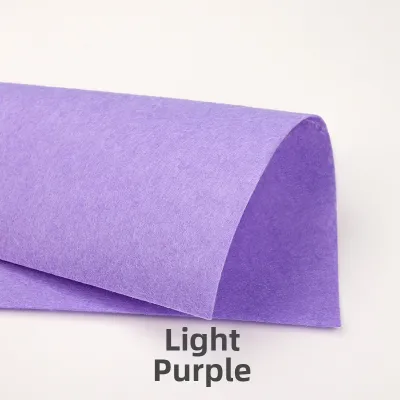
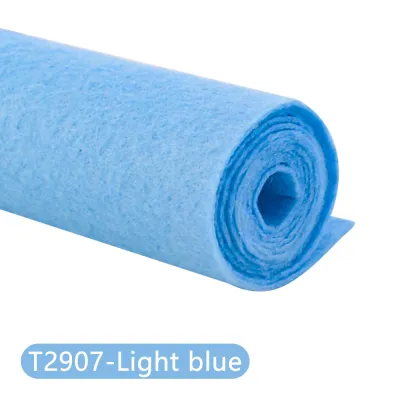
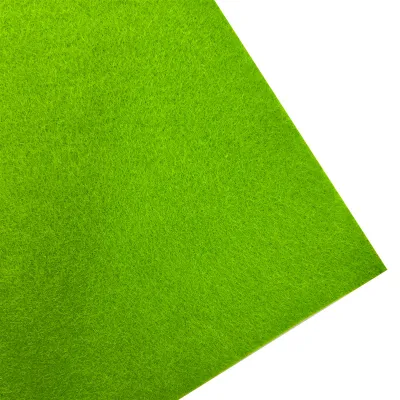
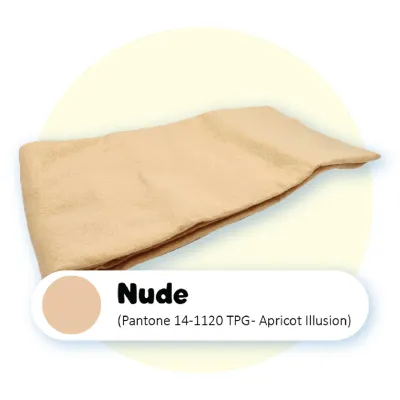
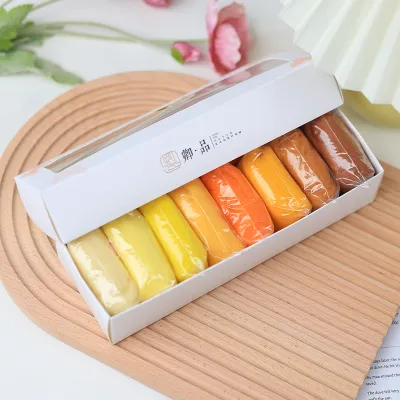
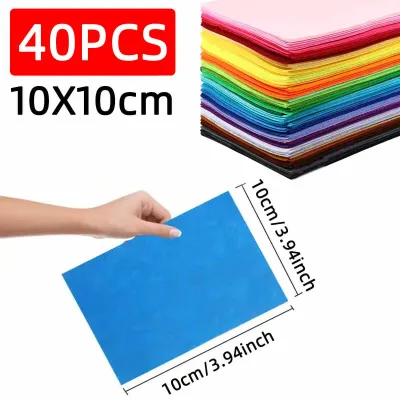
Prices are valid at publication and may change. Please refer to the product page for the latest price.
Wet felting is the traditional method used primarily with animal fibers, such as sheep’s wool. Wool fibers possess microscopic scales that open up when exposed to heat, moisture, and alkaline conditions (such as soapy water). By applying friction, pressure, and agitation, these scales interlock and tangle permanently. As the fibers dry, they shrink and tighten, forming a dense, durable, and highly insulated fabric.
Needle felting is a mechanical process used for both natural and synthetic fibers. In this method, thousands of specialized, barbed needles repeatedly punch through a loose bed of fibers. As the needles move up and down, the barbs catch individual fibers and drag them through the web, forcing them to entangle and compact. This dry process is highly versatile, allowing manufacturers to create felt sheets of highly consistent thickness, density, and stiffness from materials like polyester, acrylic, and rayon that lack the natural microscopic scales of wool.
Main Types of Felt Fabric by Composition
The performance, texture, and cost of felt fabric are directly determined by the raw fibers used in its production. Choosing the wrong composition can lead to projects that pill, warp, or fail to hold their shape over time. The three primary categories of felt available on the market today are 100% wool felt, synthetic felt, and blended felt.

100% Wool Felt
Pure wool felt represents the premium standard in non-woven textiles. Crafted entirely from sheep’s wool, this material is highly prized for its dense, luxurious hand-feel, rich matte finish, and excellent structural integrity. Because wool is a natural animal fiber, it possesses inherent flame resistance, superb thermal insulation, and the ability to absorb moisture without feeling wet to the touch.
This type of felt is the preferred choice for high-end applications where durability and aesthetic appeal are paramount. It is commonly used in professional millinery to shape structured hats, in premium appliqué work, for durable winter garments, and in heirloom-quality crafts such as Waldorf dolls. The natural elasticity of wool fibers allows the fabric to stretch slightly and recover its shape, making it highly resilient under tension.
However, 100% wool felt comes with notable practical and financial trade-offs. It is the most expensive option on the market, often costing between S$15 and S$40 per meter depending on the thickness and sourcing. Additionally, pure wool is highly sensitive to moisture and heat; washing it improperly in warm water or subjecting it to mechanical agitation will cause severe shrinkage and further felting, permanently altering the size and texture of your creation. In humid climates like Singapore, stored wool felt is also susceptible to damage from moths and silverfish if not kept in airtight, protected environments.
Synthetic Felt (Acrylic and Polyester)
Synthetic felt is a highly affordable, mass-produced alternative made from petroleum-based plastics, primarily acrylic and polyester. These fibers are extruded, laid into a web, and needle-punched to create uniform sheets of fabric. Because synthetic fibers can be easily dyed, this category boasts the widest array of vibrant, saturated colors and patterns.
This material is exceptionally budget-friendly, typically retailing for S$1 to S$3 for a standard craft sheet, making it the standard choice for children’s crafts, school projects, temporary holiday decorations, and quick prototypes. Synthetic felt is highly resistant to rot, mildew, and insect damage, which can be advantageous in humid tropical environments. It also maintains a consistent thickness and stiffness, which is useful when cutting precise, rigid shapes for structural crafts.
Despite its convenience, synthetic felt has clear physical limitations. It lacks the soft, natural drape of wool and often feels scratchy, stiff, or shiny. Under friction, synthetic fibers tend to pill rapidly, forming unsightly fuzz balls on the surface of the fabric. Furthermore, synthetic felt has a low melting point; applying a hot iron directly to acrylic or polyester felt will cause the fibers to melt, glaze, or shrink unevenly. It also lacks breathability and thermal insulation, making it unsuitable for high-quality apparel or functional accessories that come into direct contact with the skin.
Blended Felt (Wool Blends)
Blended felt serves as a practical middle ground, engineered to combine the desirable properties of natural wool with the cost-efficiency and colorfastness of synthetic fibers. The most common blends on the market consist of wool mixed with either rayon (viscose) or polyester. A typical high-quality craft blend contains approximately 20% to 35% wool, with the remaining percentage comprised of synthetic fibers.
By introducing rayon or polyester, manufacturers can produce a felt that is significantly softer and more pliable than pure synthetic felt, while remaining far more affordable than 100% wool. Rayon, a semi-synthetic fiber made from cellulose, adds a smooth texture, a gentle drape, and an excellent affinity for dyes, resulting in rich, deep colorways. The presence of wool in the blend provides density, reduces the synthetic sheen, and gives the fabric a more premium, professional feel.
The specific ratio of wool to synthetic fibers directly dictates the fabric’s performance, stiffness, and price point. Higher wool percentages yield a denser, more durable felt that resists pilling and holds stitches beautifully, whereas higher synthetic percentages lower the cost but increase the likelihood of pilling. When purchasing blended felt, it is essential to check the manufacturer’s product label or technical specifications to verify the exact fiber percentages, ensuring the material aligns with the structural and aesthetic demands of your project.
How to Choose the Right Felt for Your Project
Selecting the appropriate felt fabric requires balancing the functional demands of your project with your budget and aesthetic goals. By analyzing how the material will be handled, worn, or displayed, you can make an informed decision that prevents premature wear or project failure.
For basic crafting, school activities, or temporary decorations, synthetic felt is usually the most practical choice. Its low cost allows for experimentation, and its inherent stiffness makes it easy for children to cut and glue without the fabric collapsing. However, if you are creating detailed appliqué, heirloom toys, or decorative pillows that will be handled frequently, investing in a wool blend or 100% wool felt is highly recommended. The natural density of wool-based felts allows for incredibly clean cuts on intricate designs, and the fibers hold embroidery stitches securely without puckering or tearing.
When constructing items that will be worn, such as hats, coats, slippers, or bags, the drape and breathability of the fabric are paramount. 100% wool felt or premium wool-rayon blends are the only suitable options here. Wool felt conforms naturally to the body, provides genuine warmth, and breathes well, preventing moisture buildup. For structured accessories like tote bags, laptop sleeves, or wallets, a thick wool felt provides the necessary structural support and impact resistance while maintaining a sophisticated, professional appearance that synthetic alternatives cannot replicate.
Felt is also widely used for functional, non-decorative applications, where thickness and density specifications are the primary decision factors. A thickness of 1mm to 1.5mm is the standard for general crafting, detailed appliqué, lining jewelry boxes, and sewing small plush toys, as it is highly flexible and easy to fold, drape, and sew. A thickness of 2mm to 3mm is ideal for structured projects that need to stand upright or support weight, such as storage bins, placemats, coasters, and protective sleeves for electronic devices. Heavy-duty industrial or architectural felt of 5mm or more is used for sound dampening panels, wall coverings, heavy furniture pads, and structural desk mats.
Before finalizing your fabric purchase, perform these quick checks to ensure quality and compatibility:
- Density Check: Hold the felt sheet up to a light source. High-quality felt should have a uniform density. If you see thin, patchy spots where light shines through easily, the fabric may tear or wear out quickly under stress.
- Colorfastness Verification: If your project combines bright colors (such as red or dark blue) with lighter shades, check the manufacturer's specifications for colorfastness. Some dyed felts, particularly low-cost synthetics or heavily dyed wools, can bleed when exposed to moisture or sweat.
- Care Label Instructions: Always verify the cleaning requirements. If the finished item must be machine-washable (such as children's clothing), choose a synthetic or specifically treated washable blend, and avoid pure wool.
Practical Tips for Cutting, Sewing, and Caring for Felt
Working with felt is highly rewarding because of its stable, non-fraying nature, but achieving professional results requires specific tools and techniques tailored to its non-woven structure.
To achieve clean, crisp edges without jagged fibers, always use exceptionally sharp tools. Standard household scissors will often chew or bend the fibers rather than cutting them. Instead, opt for high-quality fabric shears or a rotary cutter paired with a self-healing cutting mat. When cutting intricate shapes or small details, you can use the freezer paper method: trace your pattern onto the paper side of freezer paper, iron the shiny side lightly onto the felt (using a low heat setting for synthetics), cut directly through both the paper and fabric, and then peel the paper away. This prevents the felt from stretching or distorting during the cutting process.
Felt can be sewn easily by hand or machine, but its thickness and density require some adjustments. For hand sewing, embroidery floss or pearl cotton paired with a sharp embroidery needle works beautifully, with blanket stitches and whip stitches providing both structural strength and a classic decorative border. When using a sewing machine, select a sharp or universal needle (size 80/12 for thin felt, or 90/14 for thicker varieties). If you are sewing multiple layers of thick felt, use a walking foot attachment to ensure the layers feed evenly through the machine without shifting or puckering.
Maintaining the appearance of felt depends heavily on its fiber composition. For 100% wool or wool blends, hand washing in cold water with a mild, pH-neutral wool detergent is the safest method. Gently squeeze the soapy water through the fabric without rubbing or wringing, as friction will cause the fibers to felt further and distort. Rinse thoroughly in cold water, press the excess moisture out by rolling the felt inside a clean towel, and lay it completely flat to air dry. For synthetic felt, spot cleaning with a damp cloth and mild soap is generally recommended, though some polyester felts can handle a gentle, cold machine cycle.
Proper storage is crucial for preserving wool felt, especially in warm, humid climates like Singapore. Always ensure the fabric is completely dry before storing. Store wool felt in airtight plastic bins to protect it from pests like clothes moths and silverfish. To deter insects naturally without leaving a harsh chemical scent, place cedar blocks, lavender sachets, or dried rosemary inside the storage containers alongside your fabrics.
Frequently Asked Questions (FAQ)
Is felt fabric waterproof?
Standard felt fabric is highly absorbent and is not waterproof. However, wool felt possesses natural, mild water-repellent properties due to the residual lanolin oils on the wool fibers and the high density of the interlocked structure, which allows light rain or spills to bead up on the surface temporarily before soaking in. Synthetic felt, made of polyester or acrylic, will not absorb water into the individual plastic fibers themselves, but the porous, needle-punched structure will quickly trap and hold water between the fibers. For projects that require true water resistance, you must apply a specialized aftermarket waterproofing spray or choose an industrially treated outdoor felt.
Can you wash felt fabric in a washing machine?
You should avoid washing 100% wool felt in a washing machine, as the combination of warm water, laundry detergent, and mechanical agitation will trigger the felting process, causing the item to shrink severely, lose its shape, and develop a rough, warped texture. While some synthetic felts or low-wool blends can withstand a gentle, cold-water machine cycle inside a mesh laundry bag, hand washing or spot cleaning remains the safest default method for all felt types. This gentle approach preserves the smooth surface texture, prevents pilling, and ensures the structural integrity of your sewn seams and shapes.

Community discussion
Share your experience or ask a question. Comments are reviewed before publication.