
Embroidery is a tactile, meditative craft that transforms simple fabric into intricate art. For those starting out, selecting the right materials is the first step toward a successful project. DMC embroidery floss is a highly recognized thread in the needlework community, frequently recommended as the standard choice for beginners and experienced crafters alike. This divisible cotton thread is known for its consistency, extensive color range, and compatibility with the vast majority of modern embroidery patterns. Understanding how this thread is structured and why it remains a staple in sewing kits will help you make informed decisions before purchasing your first skeins.
What Is DMC Embroidery Floss and How Is It Structured?
To understand how to work with embroidery floss, you must first look at its physical construction. Standard DMC embroidery floss is a divisible thread composed of six individual strands lightly twisted together. This divisible structure is fundamental to hand embroidery, allowing you to customize the thickness of your stitches. Instead of sewing with the entire bundle, you can easily separate one, two, or more strands depending on the level of detail your project requires and the weave of your background fabric.
When purchasing thread, check the packaging labels for exact material composition rather than assuming its makeup based on the brand name. Genuine DMC embroidery floss is typically made from double-mercerized cotton. Mercerization is a treatment process that increases the luster of the cotton fiber, improves dye affinity, and enhances tensile strength. By reading the paper bands wrapped around each skein, you can verify whether you are holding 100% cotton floss, a metallic blend, or a satin rayon variant.
Products mentioned in this guide
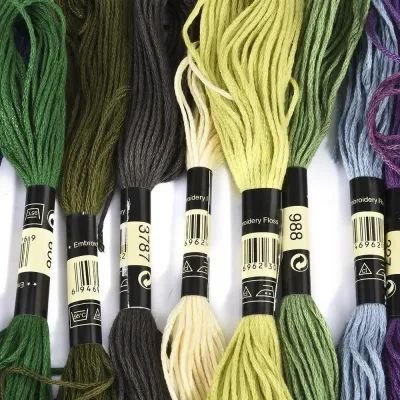
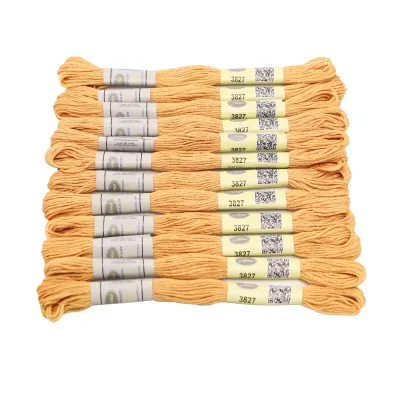
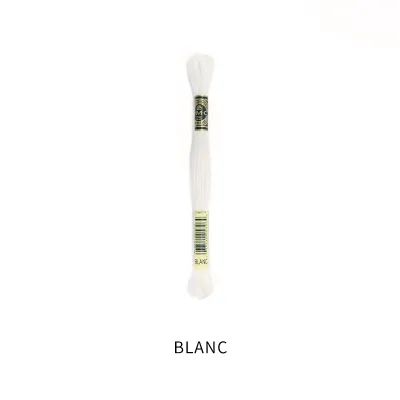
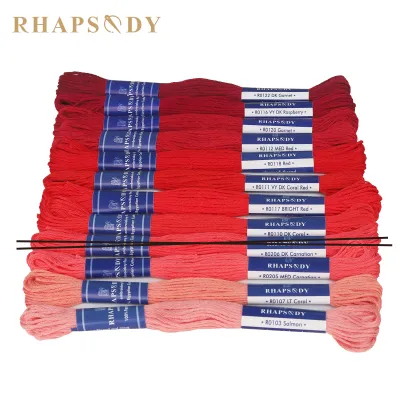
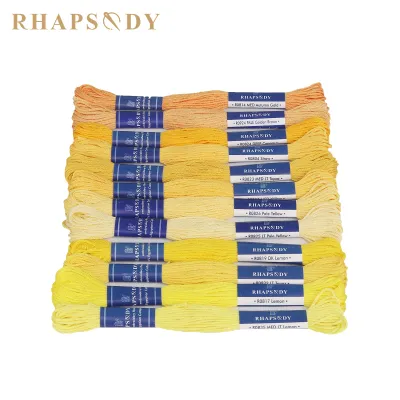
Prices are valid at publication and may change. Please refer to the product page for the latest price.
Before starting, visually and physically inspect the thread. Pull a short length from the skein and run it between your fingers to check its twist, sheen, and consistency. High-quality floss should feel smooth, exhibit a subtle, uniform luster, and maintain an even thickness without noticeable slubs, knots, or thinning sections. This physical inspection ensures the thread glides smoothly through your fabric without snagging or fraying prematurely.
Why Beginners Often Choose DMC Thread for Their First Projects
One primary reason beginners gravitate toward DMC thread is its standardized color numbering system. Each unique shade is assigned a specific three- or four-digit code that remains consistent globally. Because the vast majority of commercial embroidery patterns, cross-stitch charts, and online tutorials reference these exact numbers, beginners can follow instructions with precision. This system eliminates the guesswork of color matching and makes it simple to track your personal inventory, preventing accidental duplicate purchases.

The mechanics of separating strands, often called “stripping” the thread, is highly manageable with this floss. To strip the thread, cut a comfortable working length—usually from your fingertips to your elbow—and pull out one individual strand at a time from the center of the cut piece. Adjusting the strand count directly affects the texture and fabric coverage of your stitches. For instance, a single strand creates delicate lines for detailed work, while three or four strands provide the dense coverage needed to fill large shapes on coarser fabrics.
Additionally, the needlework community has built an extensive ecosystem around this brand. Beginners benefit from free color charts, digital conversion tools, and community-shared palettes. If you find a vintage pattern or a design created with a different brand, you can easily find conversion charts online to translate those colors into the standard numbering system. This widespread compatibility reduces the barrier to entry, allowing you to focus on mastering basic stitches like the backstitch, satin stitch, and French knot.
How to Verify Authenticity and Select the Right Skeins
As with many popular craft supplies, counterfeit embroidery threads occasionally circulate on online marketplaces. To ensure you purchase genuine products, perform a few quick visual checks on the packaging. Authentic skeins feature two paper bands: one displaying the brand logo and barcode, and another displaying the color number. Look closely at the printing quality; blurry text, misaligned logos, or the absence of official batch codes can indicate a counterfeit. Genuine skeins are also wound precisely, with no loose loops or messy tangles visible before the bands are removed.
When selecting colors, compare the physical thread against official physical color cards rather than relying solely on digital screens. Digital displays vary significantly in color calibration, brightness, and contrast, which can lead to unexpected mismatches when your order arrives. If shopping in a local craft store, examine the skeins under natural lighting conditions if possible, as harsh fluorescent store lighting can distort subtle pastel shades and warm undertones.
Finally, consider whether your project requires alternative thread weights based on your fabric choice. While standard six-strand divisible cotton floss is highly versatile, certain projects demand different specifications. For example, working on delicate silk fabric might require a single strand of fine silk thread to prevent puckering. Conversely, heavy canvas or coarse linen benefits from thicker, non-divisible threads like pearl cotton, which provides a distinct, twisted texture that sits proudly on top of the weave.
How to Compare DMC Floss with Other Embroidery Threads
When deciding which thread to use, a clear comparison framework helps you evaluate different brands without relying on subjective claims. Key dimensions to consider include colorfastness, sheen level, strand consistency, and price per skein. While some budget-friendly alternative brands offer lower price points, they may differ in how smoothly strands separate or how well they resist knotting during active stitching.
Rather than relying on general brand reputation, check the manufacturer’s specifications for washability and lightfastness. Colorfastness is critical if you plan to wash your finished embroidery piece or display it in a sunlit room. Some specialty threads, hand-dyed skeins, or lower-grade cottons may bleed when exposed to water, potentially ruining hours of stitching. Look for labels that explicitly state the recommended washing temperatures and care instructions.
To make an objective comparison, perform a simple trial on scrap fabric before starting a large project. Cut a length of the thread, stitch a few rows of satin stitches, and observe how the fiber behaves under tension. Note whether the thread frays easily as it passes through the fabric, maintains its sheen, and resists twisting or knotting. To test for color bleeding, wet the stitched sample with lukewarm water and press it against a clean white paper towel; any transferred dye indicates that the thread is not fully colorfast.
How to Store and Organize Your Floss Collection
Proper storage is essential to preserve the quality of your embroidery floss, especially in challenging environmental conditions. In humid tropical climates like Singapore, high humidity can encourage mold and mildew on natural cotton fibers, while prolonged exposure to direct sunlight causes vibrant dyes to fade. To protect your collection, store your threads in a cool, dry place inside airtight plastic containers or specialized craft organizers that shield them from dust, moisture, and pests.
Organizing your skeins systematically saves time and prevents frustrating tangles. Many crafters prefer to wind their thread onto plastic or cardboard bobbins, writing the color number on the edge of each bobbin. You can then arrange these bobbins numerically in a grid-style storage box. If you prefer keeping thread in its original skein form, use hanging floss organizers or small, labeled archival bags. Keeping the color numbers clearly visible ensures you can quickly locate the exact shade you need for your next project.
Over time, inspect your collection for signs of degradation. Cotton is a natural fiber that can weaken if stored poorly. Gently pull a section of older thread; if it snaps easily with minimal tension, it has lost its structural integrity and should be discarded. If you notice a musty odor, visible discoloration, or dusty residue, replace those skeins to prevent mold from spreading to your fabric and ruining your project.
Frequently Asked Questions (FAQ)
Do I need to use all six strands of the floss for every stitch?
No, you rarely need to use all six strands at once. The number of strands you should use depends entirely on the weave of your fabric (such as the count of Aida or linen) and the desired texture of your design. For example, cross-stitch on 14-count Aida fabric typically uses two strands, while fine line embroidery might use only one. Always check your pattern instructions, as they will specify the recommended strand count for each section of the design to achieve the intended visual effect.
Can I mix DMC floss with other brands in the same project?
While you can mix different brands, it is generally recommended to proceed with caution. Different manufacturers use distinct dyeing processes, fiber sources, and mercerization techniques, which can result in noticeable variations in sheen, thickness, and texture. If you must mix brands, stitch a small test sample on scrap fabric first to ensure that the visual differences do not disrupt the consistency of your finished piece, and verify that all mixed threads share similar washing requirements.

Community discussion
Share your experience or ask a question. Comments are reviewed before publication.