
Cotton filling is a natural, plant-derived material harvested from the seedpods of the cotton plant (Gossypium). In sewing and textile crafts, it is used either as loose, fluffy fibers for stuffing three-dimensional objects or processed into flat, cohesive sheets known as cotton batting or wadding. This material is highly valued by sewists for its organic origin, structural stability, and exceptional breathability.
For crafters working in warm, humid climates like Singapore, selecting the right internal filling is just as critical as choosing the outer fashion fabric. Cotton filling offers a unique combination of thermal comfort and classic weight that synthetic alternatives cannot replicate. Understanding how this natural fiber behaves during sewing, washing, and daily use is essential for creating durable, professional-grade textile projects.
Understanding Cotton Filling: Composition and Forms
To make informed decisions for your sewing projects, you must first understand the physical forms in which cotton filling is available. Cotton filling is not a uniform product; rather, it is processed into distinct formats designed for specific structural applications. The two primary categories you will encounter in craft shops are loose cotton stuffing and flat cotton batting.
Products mentioned in this guide
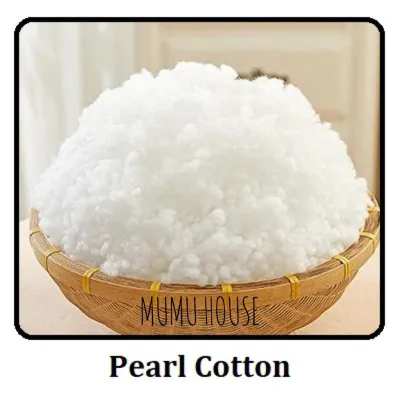
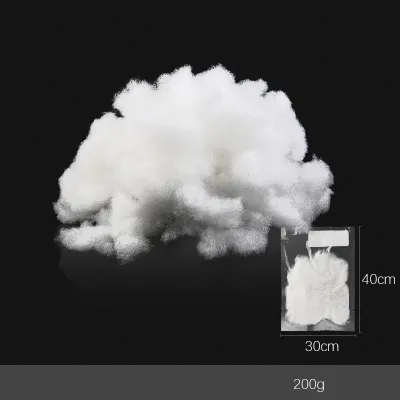
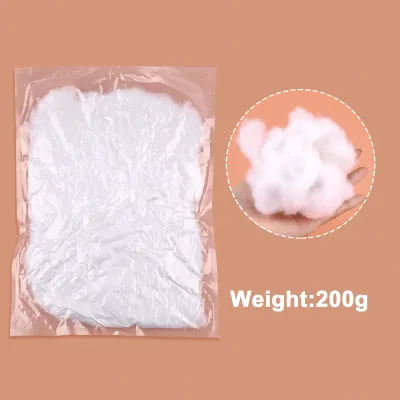
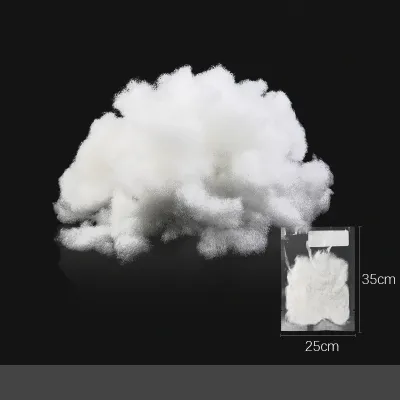
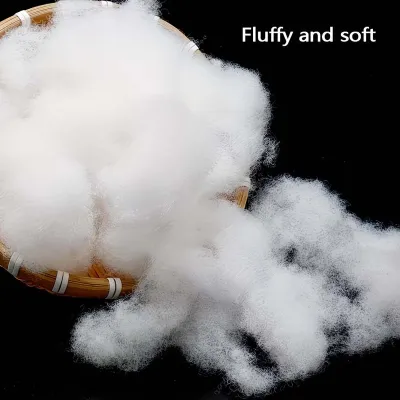
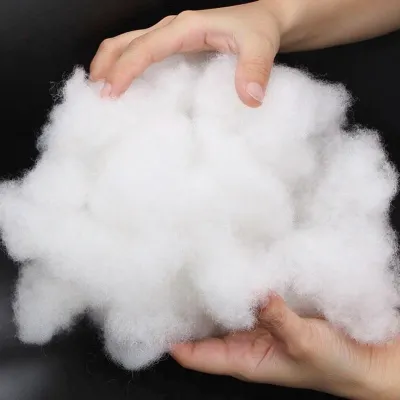
Prices are valid at publication and may change. Please refer to the product page for the latest price.
Loose cotton filling consists of raw or semi-processed cotton fibers that have been cleaned, carded, and separated from the plant’s seeds and husks. This format resembles a dense, fibrous cloud. Because the individual fibers are not bound to one another, they can be easily manipulated, pulled apart, and packed into tight spaces. This makes loose cotton ideal for filling three-dimensional shapes where variable density is required.
Cotton batting, also commonly referred to as wadding, is manufactured by passing loose cotton fibers through a mechanical carding machine. This process combs and aligns the fibers into a uniform direction, layering them to build up a continuous, flat sheet of a specific thickness. Because raw carded cotton fibers have very little natural cohesion, manufacturers must use specific mechanical or chemical methods to keep the sheet from falling apart during handling and stitching. These methods dictate how the batting behaves under your sewing machine needle:
- Needle-Punched Batting: This is the most common form of cotton batting. The carded fiber web is passed through a machine equipped with thousands of barbed needles. As these needles punch through the web, they mechanically entangle the cotton fibers, creating a dense, stable sheet. Many needle-punched battings also incorporate a micro-thin, lightweight polyester grid known as a scrim. The scrim provides structural reinforcement, preventing the batting from stretching, distorting, or tearing during the quilting process, and allows for a wider spacing between your quilting stitches.
- Bonded Batting: In this format, the carded cotton fibers are held together using a light chemical resin or by blending in a small percentage of low-melt thermal fibers that fuse when heated. Bonded cotton batting tends to be slightly loftier and fluffier than needle-punched varieties, though it can feel somewhat stiffer depending on the type of bonding agent used.
- 100% Pure Natural Batting: This batting contains no scrim, chemical binders, or synthetic additives. It consists entirely of mechanically tangled cotton fibers. While exceptionally soft and completely natural, it is also more delicate and prone to stretching during handling. Because it lacks a reinforcing scrim, it requires very close quilting lines to prevent the fibers from separating over time.
When purchasing cotton filling, always check the product packaging for precise fiber blend ratios and manufacturing treatments. While many products are labeled as “cotton,” they may actually be blends, such as an 80% cotton and 20% polyester mix. These blends are engineered to combine the breathability of cotton with the resilience and shrink-resistance of synthetic fibers. Furthermore, verify if the batting has undergone specific treatments, such as bleaching, sizing, or fire-retardant applications, as these chemical finishes can alter the drape, needle resistance, and washability of the finished item.
Key Properties of Cotton Filling for Sewing Projects
The physical characteristics of cotton filling directly dictate how a finished textile project looks, feels, and performs over years of use. Unlike synthetic fillings, which are engineered for uniform bounce and loft, cotton behaves like the organic plant fiber it is. Understanding these core properties will help you predict how your project will drape and wear.

Breathability and Temperature Regulation
One of the most significant advantages of cotton filling is its natural breathability. At a microscopic level, cotton fibers are hollow tubes (known as the lumen) that naturally absorb and release moisture. This structure allows air to circulate freely through the filling rather than trapping it against the body.
In hot, humid environments, this breathability is a crucial comfort factor. A quilt or garment lined with cotton batting will feel significantly cooler and less clammy than one filled with polyester, as it helps regulate body temperature by allowing humidity to escape. This makes cotton the premier choice for summer blankets, lightweight jackets, and bedding designed for tropical climates or air-conditioned spaces.
Weight and Drape
Cotton is a dense, heavy fiber compared to synthetic alternatives like polyester or acrylic. This density gives cotton-filled projects a distinctively substantial, grounded feel. When used in a quilt, cotton batting provides what quilters refer to as a high “hug factor”—the blanket conforms gently to the contours of the body, draping softly rather than sitting stiffly on top of you.
This heavy drape is highly desirable for traditional textile crafts. It gives garments a natural, structured fall and ensures that home decor items, such as table linens or curtains, lie flat and hang gracefully without unsightly bunching or ballooning.
Texture and Loft
In textile terminology, “loft” refers to the thickness and fluffiness of a filling material. Cotton is inherently a low-loft material. Even thick cotton batting is relatively flat, typically measuring between 1/8 inch and 1/4 inch in thickness. It does not possess the springy, high-volume bounce of polyester fiberfill.
Over time and through repeated wash cycles, cotton filling will compress and settle further. When 100% cotton batting is washed for the first time, the fibers shrink slightly. This shrinkage causes the surrounding quilt fabrics to pucker gently around the stitching lines, creating a soft, crinkled, vintage-style texture. If you prefer a perfectly smooth, modern, high-gloss finish, this natural puckering is a critical behavior to keep in mind.
Manufacturer and Brand Variations
It is important to remember that these physical properties are not completely uniform across all cotton products. The exact thickness, loft, weight, and thermal resistance of cotton filling can vary dramatically depending on the manufacturer’s proprietary processing techniques. Some brands engineer low-loft battings specifically for hand-quilting, while others produce denser, heavier variations designed for machine utility. Always verify the specifications on the product label to ensure the material matches your specific project requirements, rather than assuming all cotton fillings behave identically.
Ideal Sewing Projects for Cotton Filling
Because of its unique physical profile—low loft, heavy drape, high breathability, and natural weight—cotton filling is highly suited to specific categories of sewing projects. Matching these properties to the functional needs of your project ensures a successful, long-lasting creation.
Traditional Quilting
Cotton batting is the historic and modern gold standard for traditional quilting. The low-loft profile of cotton makes it exceptionally easy to handle under a standard domestic sewing machine or during meticulous hand-stitching. Because the batting is flat and stable, the layers of a “quilt sandwich” (the quilt top, batting, and backing fabric) are less prone to shifting and puckering during the sewing process.
Furthermore, the natural weight and breathability of cotton make the finished quilt highly functional. It provides comfortable warmth without trapping sweat, making it ideal for year-round use in tropical regions where air-conditioning is common. The characteristic puckered texture that develops after the first wash also enhances the classic, heirloom aesthetic of traditional patchwork quilts.
Weighted Soft Toys and Dolls
When constructing rag dolls, stuffed animals, or soft toys, the choice of stuffing determines the toy’s tactile appeal. Loose cotton filling is highly recommended for creating toys with a firm, grounded, and vintage feel. Unlike polyester fiberfill, which can make a doll feel springy, bouncy, and overly lightweight, cotton stuffing packs down densely.
This density gives stuffed toys a satisfying weight that makes them feel substantial in hand. The natural fibers are also completely non-toxic and hypoallergenic, which is an important safety consideration for toys intended for infants or young children who may place them in their mouths. Additionally, the breathability of cotton ensures that toys handled frequently do not become uncomfortably sweaty or clammy.
Flat Home Decor
For home decor projects that require structural stability without bulky volume, cotton batting is the ideal choice. These projects include:
- Table Runners and Placemats: The flat, dense profile of cotton batting ensures that plates, glasses, and cutlery sit securely on the surface without tipping over, which is a constant risk with high-loft synthetic battings.
- Coasters and Trivets: Cotton is naturally heat-resistant and will not melt when exposed to warm dishes, protecting wooden dining tables from heat damage. (Note: For extremely hot items straight from an oven or stove, always combine cotton batting with a specialized thermal-barrier fabric to prevent heat transfer).
- Thin Decorative Cushions: If you are sewing flat, structured chair pads or bench cushions that need to maintain a crisp, low-profile silhouette, cotton batting provides the necessary support without creating a rounded, puffy cushion.
Limitations: When to Avoid Cotton Filling
While cotton filling is an exceptional material for many applications, it is not a universal solution. Its natural characteristics present specific limitations that can lead to project failure if ignored. Recognizing when to opt for synthetic or alternative fillings will save you time, effort, and materials.
Shifting, Clumping, and Migration
Loose cotton fibers have very little natural elasticity or interlocking structure. If you use loose cotton to stuff a large, open space—such as a standard sleeping pillow, a large floor cushion, or a pet bed—without any internal structural support, the fibers will inevitably migrate. Over time, friction and gravity will cause the cotton to clump together into hard, dense lumps, leaving other areas of the cushion completely empty and flat.
To prevent this, cotton filling requires closely spaced securing mechanisms. In quilts, this is achieved through dense quilting lines. In cushions or mattresses, it requires tufting or internal fabric channels. If your project design does not allow for close stitching or tufting, cotton is a poor choice, and you should instead select a highly resilient synthetic fiberfill or foam insert.
Weight and Volume Constraints
Because cotton is a dense and heavy material, it is unsuitable for projects where lightweight volume is the primary goal. If you are sewing an oversized, fluffy comforter, a puffy winter-style duvet, or a high-loft decorative pillow, cotton batting will be far too heavy and flat.
Using enough cotton to achieve significant thickness will result in an incredibly heavy, stiff, and unwieldy item that is difficult to wash and uncomfortable to sleep under. For these applications, lightweight synthetic fillings like polyester wadding or natural down are much more appropriate, as they provide high volume and loft without adding excessive weight.
Shrinkage and Prolonged Drying Times
Untreated natural cotton fibers will shrink when exposed to water and heat. Depending on the specific brand and manufacturing process, pure cotton batting can shrink by 3% to 8% during its first wash. While this shrinkage is desirable for achieving a vintage quilted look, it can ruin garments, precisely fitted cushion covers, or modern, flat wall hangings by warping the outer fabric.
Furthermore, cotton is highly absorbent and retains a significant amount of water. In humid climates, a thick cotton-filled item can take a very long time to air-dry completely. If a cotton-stuffed project remains damp for too long, it becomes a breeding ground for mold, mildew, and musty odors. If you plan to sew items that will require frequent, rapid washing and drying—such as outdoor cushions, baby bibs, or high-use utility items—synthetic fillings that resist water retention are highly preferable.
Always consult the manufacturer’s care instructions and shrinkage estimates printed on the product packaging before cutting your fabric or sewing your project. Managing these expectations early prevents irreversible damage to your finished work.
How to Prepare and Handle Cotton Filling
Working with cotton filling requires specific handling techniques to ensure your sewing machine runs smoothly and your finished project maintains its structural integrity over time. Follow these practical steps to achieve a professional finish.
Pre-washing Considerations
Before you begin assembling your project, you must decide whether to pre-wash your cotton batting. This decision depends entirely on your desired final aesthetic and the manufacturer’s explicit guidelines:
- For a Vintage, Puckered Look: Do not pre-wash the batting. Sew your project using raw batting, and wash the finished item in cold water once completed. The batting will shrink, creating the classic crinkled texture.
- For a Flat, Modern, or Fitted Look: You must pre-shrink the batting before sewing. To do this safely, submerge the batting sheet in a tub of lukewarm water. Do not agitate, wring, or scrub the batting, as raw cotton fibers tear easily when wet. Let it soak for 20 minutes, gently press out the excess water by sandwiching the batting between dry towels, and lay it completely flat on a clean surface to air-dry.
- Check the Label First: Some modern needle-punched cotton battings are chemically treated or manufactured with a stable scrim to resist shrinkage entirely. The packaging on these products will explicitly state "Do Not Pre-Wash." Attempting to wash these products before sewing can cause them to disintegrate in the water.
Layering, Relaxing, and Smoothing
When preparing to quilt, unpack your cotton batting and lay it out flat on a clean floor or large table for at least 24 hours before pinning or basting. This allows the fibers to “relax” and release the deep creases and wrinkles caused by tight packaging.
When assembling your quilt sandwich, gently smooth the batting from the center outward using your hands. Avoid pulling, tugging, or stretching the edges of the batting. Because cotton has very low elastic recovery, stretching the batting during assembly will result in permanent warping, thin spots, and uneven tension once the project is completed and washed.
Securing the Fibers and Preventing Bearding
To ensure your cotton filling does not disintegrate, shift, or clump during use and washing, you must adhere strictly to the manufacturer’s recommended maximum quilting distance. This distance is the maximum allowable space between your lines of stitching. For pure cotton batting without a scrim, this distance may be as narrow as 2 to 4 inches. For needle-punched batting with a polyester scrim, it can be up to 8 to 10 inches.
Exceeding this recommended distance will cause the loose cotton fibers to separate inside the fabric casing during a wash cycle, leading to permanent clumping and empty pockets.
Another common issue when sewing with cotton batting is “bearding.” This occurs when tiny cotton fibers are pulled through the weave of your outer fabric by the sewing machine needle, appearing as unsightly fuzz on the surface of your project. To prevent bearding:
- Use a brand-new, sharp sewing machine needle. A dull needle will push the batting fibers through the fabric rather than piercing cleanly through them.
- Select the correct needle size. A size 80/12 or 90/14 Quilting, Microtex, or Sharp needle is ideal for sewing through cotton batting.
- Use a walking foot (even-feed foot) on your sewing machine. This attachment ensures that the top fabric, batting, and backing fabric feed through the machine at the exact same rate, preventing shifting, puckering, and excessive friction on the batting fibers.
Safety Boundary and Material Compatibility
Before you begin sewing, compare the care instructions of your outer fabric with those of your cotton filling. If your outer fabric requires high-heat dry cleaning but your cotton batting is hand-wash only, or if your fabric requires a hot wash that will cause excessive shrinkage while your batting cannot tolerate heat, do not proceed.
Conflicting care requirements will lead to structural failure, warping, or tearing during the first cleaning cycle. If the instructions conflict, stop and select a different, compatible filling or fabric combination before making your first cut.
Frequently Asked Questions (FAQ)
Is cotton filling better than polyester wadding?
Neither material is universally superior; your choice should depend entirely on the specific requirements of your sewing project. Cotton filling is a natural fiber that offers excellent breathability, a heavy and comfortable drape, and a low-loft, flat profile. This makes it the ideal choice for traditional quilts, clothing for warm climates, and flat home decor items like placemats.
Polyester wadding, on the other hand, is synthetic, highly resilient, lightweight, and offers high loft and volume. It does not shrink, dries very quickly, and holds its fluffy shape over time without clumping. Choose polyester if you are sewing puffy comforters, lightweight outdoor gear, or high-volume decorative pillows that require a springy, cloud-like appearance.
Can projects with cotton filling be machine washed?
Yes, most projects made with high-quality cotton filling can be machine washed, provided you take specific precautions. Because cotton is prone to shrinkage and retains a large volume of water, always use a gentle cycle with cold or lukewarm water and a mild, pH-neutral detergent to protect the natural fibers.
Before washing, ensure that your quilting or structural stitching is spaced within the manufacturer’s recommended limits to prevent the internal filling from shifting or clumping. To dry, lay the project flat on a drying rack in a well-ventilated area, or tumble dry on a low-heat, delicate setting. In highly humid environments, ensure the project dries completely and promptly to prevent the development of mold or musty odors.

Community discussion
Share your experience or ask a question. Comments are reviewed before publication.