
Cordura fabric is a highly durable, abrasion-resistant textile family widely utilized for projects that demand exceptional strength and longevity. Originally developed as a high-tenacity nylon, this material has evolved into a diverse collection of synthetic fibers and blends engineered to withstand heavy wear, friction, and environmental exposure. For home sewists and gear makers, it serves as a premier choice for constructing rugged outdoor equipment, daily-use bags, protective covers, and specialized travel accessories. Determining whether this fabric suits your specific project requires evaluating its weight, stiffness, and the mechanical limits of your sewing equipment.
Understanding Cordura: Composition and Key Characteristics
To select the right material for your project, it is essential to understand that Cordura is not a single, uniform fabric but rather a branded family of textile technologies. While many classic variants are constructed from 100% high-tenacity nylon, modern iterations frequently incorporate polyester, cotton, or elastane blends to achieve specific textures and performance profiles. This means that two rolls of fabric bearing the same brand name can exhibit vastly different physical properties, weights, and handling characteristics.
Because of this diversity, you must carefully inspect the manufacturer specifications or product labels on the bolt before purchasing. These labels detail the exact fiber composition, weave structure, and any proprietary manufacturing processes applied to the yarn. For instance, some variants utilize air-textured yarns to mimic the matte look and natural feel of cotton canvas, while others feature high-gloss, smooth filaments designed for maximum tensile strength.
Products mentioned in this guide
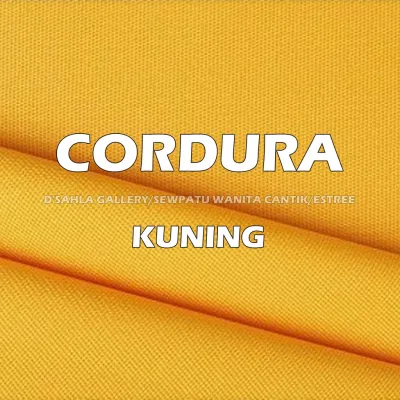
Prices are valid at publication and may change. Please refer to the product page for the latest price.
The defining characteristic of this fabric family is its remarkable resistance to abrasion, tearing, and scuffing. The high-tenacity fibers are tightly woven into dense patterns that distribute physical stress evenly across the surface, preventing minor punctures or snags from spreading into catastrophic tears. While these general characteristics make the material highly reliable for demanding applications, actual performance depends heavily on the specific weave density and finishing treatments applied to each variant.
Evaluating Cordura for Your Specific Project Needs
Choosing this material requires a balanced assessment of your project’s functional demands against the physical constraints of the fabric itself. While the promise of near-indestructible gear is highly appealing, the inherent stiffness and weight of heavier variants can make them unsuitable for projects requiring soft drapes, intricate folding, or close-to-skin comfort. You must weigh the necessity of extreme durability against the practicalities of construction and daily use.

Heavy-Duty and Outdoor Gear Applications
For high-stress, load-bearing applications, this fabric excels at maintaining structural integrity under continuous tension and rough handling. It is a common standard for constructing heavy-duty backpacks, hiking gear, tactical vests, and rugged travel luggage that must survive airport conveyor belts and outdoor elements. In these scenarios, the fabric acts as a protective shield for the contents inside, resisting punctures from sharp tools or rough terrain.
When planning outdoor gear, you should pay close attention to the denier rating and the presence of protective backings or coatings. Heavier denier options provide the structural stiffness needed to help large backpacks hold their shape even when empty, while specialized polyurethane or water-repellent coatings help shield gear from sudden downpours. However, these robust features also mean the fabric will resist tight curves, requiring careful pattern planning and generous seam allowances.
Everyday Bags and Accessories
When scaling down to daily-use items like tote bags, wallets, laptop sleeves, and organizational pouches, the material requirements shift significantly. For these smaller projects, ultra-heavy outdoor fabrics are often impractical, as they create excessive bulk at the seams and make small corners nearly impossible to turn right-side out. Instead, lighter weight variants offer a practical compromise, providing excellent scuff resistance without the overwhelming stiffness.
Using a lighter variant allows you to maintain a clean, professional aesthetic on everyday accessories while ensuring the finished item remains flexible enough for comfortable handling. You must consider how the fabric’s drape will affect the overall design; a laptop sleeve needs to conform slightly to the device, which is much easier to achieve with a flexible blend than a rigid, heavy-duty weave. Balancing these trade-offs ensures your daily accessories remain highly functional without feeling unnecessarily cumbersome.
How to Verify and Select the Right Cordura Variant
Navigating the purchasing process requires a systematic approach to reading manufacturer specifications and verifying fabric dimensions. The primary metric you will encounter is the denier (D) rating, which measures the linear mass density of the fibers. A lower rating, such as 330D or 500D, indicates a lighter, more flexible fabric suitable for lightweight bags and apparel reinforcements, whereas a 1000D rating denotes a thick, heavy-duty textile engineered for maximum abrasion resistance.
Beyond the base fiber weight, you must verify the specific finishes and backings applied to the fabric, as these drastically alter its performance and handling. Many variants feature a durable water repellent (DWR) coating on the face and a polyurethane (PU) backing on the reverse side to enhance water resistance and prevent fraying during cutting. These details are typically listed in the official product descriptions on supplier websites or fabric bolts, and verifying them beforehand prevents you from accidentally purchasing an uncoated variant that may fray easily.
Finally, practical purchasing logistics require careful attention to fabric width, selvedge details, and supplier policies. Because these technical fabrics are often produced for industrial applications, roll widths can vary significantly from standard apparel fabrics, sometimes measuring up to 150 centimeters or more. Always check the minimum order quantities and verify whether the supplier sells by the meter or yard, ensuring you order sufficient material to accommodate your pattern layout while accounting for potential shrinkage or testing scraps.
Sewing and Handling Tips for Cordura Fabric
Successfully sewing this heavy-duty material on domestic equipment requires adjusting your tools, machine settings, and handling techniques to accommodate the dense weave. Standard universal sewing needles will quickly dull or bend when attempting to pierce these high-tenacity fibers, leading to skipped stitches or thread breakage. Instead, equip your machine with a sharp denim, jeans, or specialized heavy-duty needle (typically size 90/14 for lighter weights and 100/16 or 110/18 for heavier variants).
Thread selection is equally critical to ensure the seams match the strength of the fabric itself. Standard polyester all-purpose thread is generally too weak for load-bearing seams on heavy gear; instead, opt for strong bonded nylon or heavy-duty polyester thread (such as Tex 70 or V-69, depending on your machine’s capabilities). To manage the bulk of thick seams, utilize a walking foot attachment to feed the multiple layers evenly through the machine, and swap out traditional sewing pins—which will bend and leave permanent holes—for sturdy fabric clips.
Before sewing your actual project pieces, always perform a series of test stitches on scrap layers of the exact fabric combination you plan to use. Adjust your machine’s tension settings and increase the stitch length to approximately 3.0mm to 4.0mm, as tight, short stitches can perforate the fabric backing and weaken the seam. Using a seam roller or a heavy mallet to flatten bulky seam allowances before stitching can also prevent your machine from stalling over thick intersections.
Care and Maintenance Guidelines
Preserving the structural integrity and protective coatings of your finished projects requires proper care and maintenance. You should always prioritize the specific care instructions provided by the fabric manufacturer or supplier, as different blends and coatings have unique tolerances. As a general rule, items constructed from these synthetic fibers should never be subjected to harsh dry cleaning solvents, chlorine bleach, or highly abrasive scrubbing brushes, which can strip away water-repellent finishes and degrade the nylon fibers.
For routine maintenance, spot cleaning with a damp cloth, mild soap, and lukewarm water is the safest and most effective method to remove dirt and grime. If a deep clean is necessary, hand washing in a large basin is preferable to machine washing, as the agitation and spin cycles of home washing machines can crease the stiff fabric and damage internal polyurethane backings. Additionally, avoid exposing the material to high heat sources, such as clothes dryers or direct irons, which can melt the synthetic fibers; instead, allow the items to air dry completely in a well-ventilated, shaded area.
Frequently Asked Questions (FAQ)
Is Cordura fabric completely waterproof?
No, the base fabric is not inherently waterproof, though many variants are highly water-resistant due to specialized manufacturing treatments. Most options designed for outdoor use feature a durable water repellent (DWR) coating on the exterior face to make water bead up and roll off, combined with a polyurethane (PU) backing on the interior to block moisture penetration. To achieve a truly waterproof finished product, you must verify the specific waterproof rating of your chosen variant and manually seal all stitched seams with seam-sealing tape or liquid sealant to prevent water from seeping through the needle holes.
Can I sew Cordura on a standard home sewing machine?
Yes, you can sew lighter to medium-weight variants, such as 330D and 500D, on a standard domestic sewing machine provided you use the correct heavy-duty needles and thread. However, domestic machines often struggle with the mechanical demands of sewing multiple layers of 1000D fabric, particularly at high-stress intersection points where straps and bindings meet. If your project involves thick, multi-layered assemblies that cause your machine to stall or skip stitches, you may need to reduce the fabric weight, simplify your pattern design to minimize bulk, or utilize a heavy-duty semi-industrial sewing machine.

Community discussion
Share your experience or ask a question. Comments are reviewed before publication.