
Understanding yarn weight and structure is the first step toward a successful knitting or crochet project. A 3-ply yarn is constructed by twisting three individual single strands of fiber together, resulting in a balanced, round thread that typically falls into the lightweight or fingering weight categories. This specific structure provides excellent stitch definition and structural integrity, making it a popular choice for detailed handiwork. Monaco 3-ply yarn, a widely recognized option in many crafting communities, is particularly well-suited for delicate, lightweight projects such as summer garments, lace accessories, and intricate home decor items that demand a soft drape and clean, visible stitches.
By selecting the right project for this fine yarn, you can highlight its natural strengths while avoiding the frustration of limp or overly dense fabrics. Whether you are planning a delicate shawl or a lightweight top, understanding how 3-ply yarn behaves under tension will help you achieve professional-looking results. Let’s explore the physical characteristics of 3-ply yarn and how you can match it to the perfect pattern.
Characteristics of 3-Ply Yarn Weight
The term “ply” historically referred to the number of individual strands spun together to create a single strand of yarn. In modern crafting, however, ply count does not always equal a specific thickness, as the thickness of each individual strand can vary significantly. When three single strands are twisted together, they form a 3-ply yarn. This tri-strand construction creates a rounder profile compared to single-ply or 2-ply yarns. The roundness of the yarn helps stitches stand out clearly, which is highly beneficial for textured patterns, ribbing, and lace.
Products mentioned in this guide
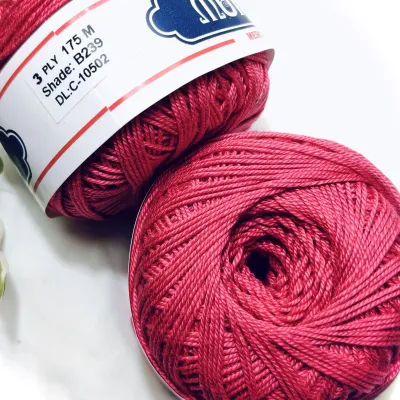
Prices are valid at publication and may change. Please refer to the product page for the latest price.
The twisting process itself plays a crucial role in the yarn’s performance. A tighter twist increases the overall strength of the yarn and makes it less prone to splitting when caught by a crochet hook or knitting needle. Conversely, a looser twist results in a softer feel but may split more easily during crafting. For 3-ply yarns, the balance of three strands generally provides a stable structure that resists pilling and holds its shape well over time, making it a reliable choice for items that will undergo regular wear and washing.
In standard yarn weight classification systems, 3-ply yarn most frequently aligns with lightweight categories such as fingering, sock, or sport weight. However, because the base strands can be spun to different thicknesses, one manufacturer’s 3-ply yarn might feel significantly finer or thicker than another’s. For instance, a 3-ply yarn made from ultra-fine merino wool will have a completely different diameter and drape than a 3-ply yarn made from mercerized cotton.
Because of these variations, you should never rely solely on the ply number when planning a project. It is essential to read the manufacturer’s label carefully to confirm the exact weight category, total meterage or yardage, and recommended tool sizes. The label provides the most accurate guide for matching the yarn to your pattern, ensuring that your finished piece matches the intended dimensions and texture.
Ideal Projects for Monaco 3-Ply Yarn
Monaco 3-ply yarn is highly regarded for its smooth texture and excellent stitch definition, making it exceptionally suited for specific types of projects. Lightweight garments are among the best applications for this yarn. Summer tops, fine cardigans, and lightweight camisoles benefit from the thin profile of 3-ply yarn, which allows air to circulate and prevents the finished fabric from feeling heavy or stifling. The yarn’s structure ensures that lace patterns and openwork stitches remain crisp and visible, adding an elegant touch to wearable items.

Delicate accessories also make wonderful use of Monaco 3-ply. Lace shawls, lightweight scarves, and delicate wraps drape beautifully when worked with a fine yarn. The three-strand twist gives the fabric enough body to hold its shape without becoming stiff, allowing the lace to bloom beautifully after blocking. Additionally, baby items such as lightweight booties, bonnets, and soft baby blankets are excellent choices, provided the fiber content is gentle on sensitive skin and easy to clean.
On the other hand, there are several projects you should avoid when working with Monaco 3-ply yarn. Heavy winter wear, such as thick sweaters or chunky cardigans, will take an incredibly long time to complete and will not provide the dense warmth required for cold climates. Thick blankets and rugs are also unsuitable, as the fine yarn lacks the bulk needed to create a substantial, cushioned fabric. High-friction items like heavy-duty socks or utility items will wear out quickly if made with a delicate 3-ply yarn that is not specifically reinforced with nylon or a similar durable fiber.
To ensure your project is a success, always evaluate the specific fiber content listed on the Monaco 3-ply label. For example, mercerized cotton offers excellent breathability, a subtle sheen, and high durability, making it perfect for summer wear and home decor like coasters or table runners. If the yarn is an acrylic blend, it may offer more stretch and warmth, which is better suited for lightweight accessories. Matching the fiber’s natural properties to your project’s functional needs prevents premature wear and ensures the garment drapes as intended.
How to Verify Yarn Specifications and Compatibility
Before committing to a full-scale project, taking the time to verify your yarn’s specifications will save you from potential mistakes. Start by thoroughly checking the yarn band. The label contains vital information, including the fiber composition, care instructions, and the manufacturer’s recommended knitting needle or crochet hook sizes. These recommendations serve as a reliable starting point, but your personal tension will ultimately determine the final look and feel of your fabric.
Creating a gauge swatch is an indispensable step when working with fine yarns like Monaco 3-ply. Knit or crochet a square that is at least 10 by 10 centimeters using the recommended tool size. This swatch allows you to measure your actual stitch and row tension against the pattern’s requirements. It also provides a physical sample to observe stitch clarity, assess how the fabric drapes, and feel the texture against your skin. Washing and blocking the swatch as you would the finished garment is highly recommended, as some fibers stretch or shrink significantly after wetting.
If your swatch reveals that your tension is too tight, resulting in a stiff fabric, you can adjust by switching to a larger needle or hook size. Conversely, if the stitches are too loose or floppy, moving to a smaller tool size will help you achieve a denser, more structured fabric. Adjusting your tools is particularly important for lace or openwork patterns, where the balance between negative space and solid stitches defines the overall design. Taking these steps ensures your finished project fits perfectly and looks professional.
Frequently Asked Questions (FAQ)
Is 3-ply yarn always considered fingering weight?
While 3-ply yarn is very commonly classified as fingering or sport weight, the ply count alone does not guarantee a specific thickness. The final weight of the yarn depends entirely on the thickness of the individual single strands before they are twisted together. To avoid sizing errors, always check the standard yarn weight symbol or the recommended gauge on the manufacturer’s label rather than relying solely on the ply number.
Can I use Monaco 3-ply for amigurumi?
Yes, you can use Monaco 3-ply for amigurumi, but it requires specific adjustments. Because the yarn is quite thin, it will produce very small, highly detailed stuffed toys. To prevent the stuffing from showing through the stitches, you must use a much smaller crochet hook than usual to maintain a very tight tension. This process can be meticulous and time-consuming, so it is best suited for experienced crafters who enjoy working on a miniature scale.
How should I care for garments made with 3-ply yarn?
To maintain the shape and beauty of delicate garments made with Monaco 3-ply yarn, always follow the specific care symbols printed on the yarn label. Generally, lightweight items benefit from gentle hand washing in cool water with a mild detergent. Avoid wringing or twisting the wet fabric, as this can stretch the fine fibers out of shape. Instead, gently press out excess water with a towel and lay the garment flat on a clean surface to dry.

Community discussion
Share your experience or ask a question. Comments are reviewed before publication.