
Selecting the perfect yarn for crochet projects is one of the most critical decisions you will make before picking up your hook. The thickness of your yarn directly dictates the size, drape, structure, and overall appearance of your finished piece. Using the wrong thickness can turn a beautifully designed summer top into a stiff, unwearable garment, or cause an adorable stuffed animal to lose its shape and spill its stuffing.
To choose the right yarn weight, you must match the thickness of your yarn to the structural needs of your project and pair it with the corresponding hook size. By understanding how yarn categories work, how fibers behave in different climates, and how to verify your tension, you can confidently select the ideal material for any pattern. This guide provides a comprehensive framework to master yarn weights, hook pairings, and project matching.
Understanding the Standard Yarn Weight System
To navigate the vast array of yarns available in craft shops and online marketplaces, you must understand how yarn thickness is standardized. The Craft Yarn Council (CYC) established a numbering system that categorizes yarn from 0 (the thinnest) to 7 (the thickest). This system allows crafters to substitute brands and fibers easily, ensuring that a category 4 yarn from one manufacturer behaves similarly in thickness to a category 4 yarn from another.
Products mentioned in this guide
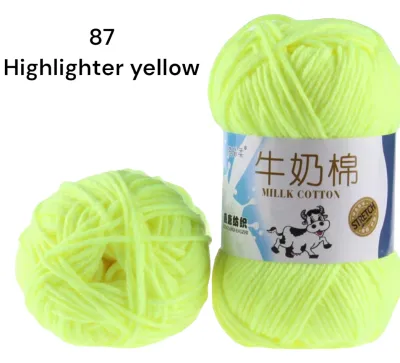
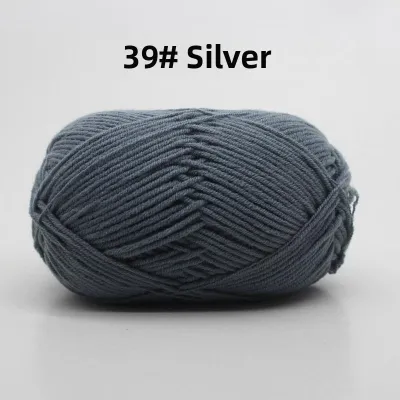
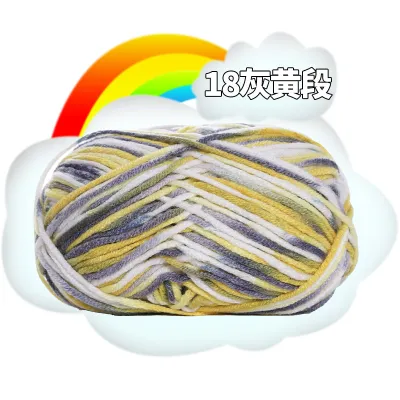
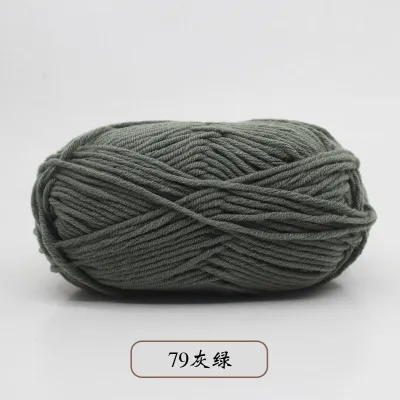
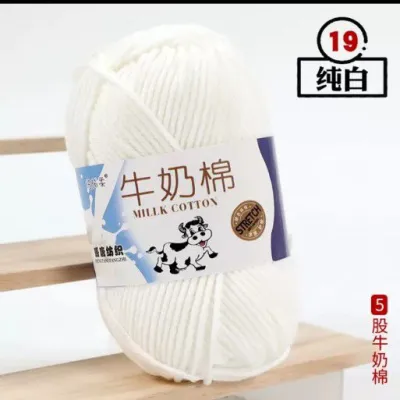
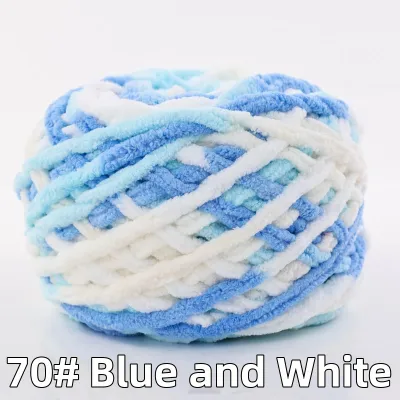
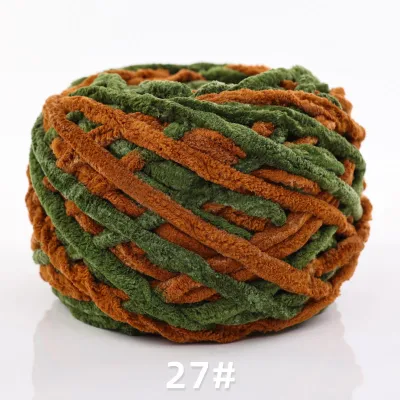
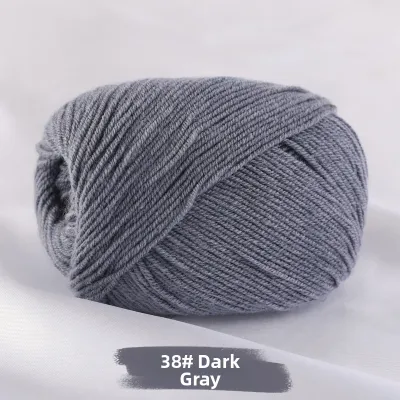
Prices are valid at publication and may change. Please refer to the product page for the latest price.
While the numbering system is highly reliable, beginners often confuse yarn weight with the physical weight of the skein. In fiber crafts, “weight” refers strictly to the thickness of the individual strand, not how much the ball of yarn weighs on a scale. A 100-gram skein of lace-weight yarn will contain hundreds of meters of thin thread, while a 100-gram skein of super bulky yarn might only contain a few dozen meters of thick rope.
Another common point of confusion is the term “ply.” Historically, ply referred to the number of individual strands twisted together to form a single yarn. A 4-ply yarn was thin, while a 12-ply yarn was thick. However, modern manufacturing techniques mean that ply is no longer a reliable indicator of thickness. A single-ply yarn can be spun to be incredibly thick and fluffy, while a multi-ply yarn can be spun to be as thin as sewing thread. Always rely on the standard CYC numerical category rather than the ply count when selecting yarn.
To find this information on a physical yarn label, look for a small icon shaped like a ball of yarn. Inside this icon, you will find a number ranging from 0 to 7. The label will also display the text equivalent of the weight category, such as “Worsted,” “DK,” or “Fingering.” Additionally, the label provides crucial specifications including the fiber composition, the total length in meters or yards, and the manufacturer’s recommended crochet hook size.
To help you visualize the entire spectrum, here is a breakdown of the standard categories:
- Category 0 (Lace): Extremely fine threads used for delicate lace, doilies, and lightweight shawls.
- Category 1 (Super Fine / Fingering): Popular for socks, baby garments, and lightweight summer wearables.
- Category 2 (Fine / Sport): Slightly thicker than fingering, excellent for light cardigans and detailed baby blankets.
- Category 3 (Light / DK / Double Knitting): A highly versatile weight perfect for lightweight garments, toys, and accessories.
- Category 4 (Medium / Worsted / Aran): The most common weight for blankets, winter accessories, and home decor.
- Category 5 (Bulky / Chunky): Thick yarn that works up quickly, ideal for warm scarves, hats, and structured baskets.
- Category 6 (Super Bulky): Very thick yarn used for cozy blankets, thick cowls, and sturdy floor poufs.
- Category 7 (Jumbo): The thickest category, designed for arm knitting, giant blankets, and extreme stitch projects.
Matching Yarn Weight to Specific Crochet Projects
Every crochet project has unique structural and aesthetic requirements. Matching the yarn weight to the specific item ensures that the finished piece functions exactly as intended, maintaining its shape and texture over time.

Amigurumi and Stuffed Toys
Amigurumi requires a dense, rigid fabric that can hold three-dimensional shapes without warping. For most standard stuffed toys, Double Knitting (DK) or Worsted weight yarns are the industry standards. These weights strike the perfect balance between ease of handling and stitch clarity, allowing you to see your decreases and increases clearly.
When crocheting toys, preventing the internal polyester fiberfill stuffing from showing through the stitches is paramount. If your yarn is too thin or your stitches are too loose, the stuffing will leak out, ruining the toy’s appearance and creating a safety hazard for young children. To prevent this, you must create incredibly tight, gap-free stitches.
Achieving this dense fabric requires a deliberate adjustment to your tools. You should always size down your crochet hook by 0.5 mm to 1.5 mm compared to the hook recommended on the yarn label. For example, if a Worsted weight yarn recommends a 5.0 mm hook, using a 3.5 mm or 4.0 mm hook will pull the stitches tightly together, ensuring the stuffing remains securely hidden inside.
Garments and Wearables
Selecting yarn for garments requires careful consideration of drape, weight, and the climate in which the clothing will be worn. In Singapore’s warm, humid tropical climate, heavy and non-breathable fabrics are highly impractical for daily wear. To create garments that are comfortable to wear locally, you should prioritize Fingering (1), Sport (2), or DK (3) weight yarns.
These lighter weights provide a delicate, fluid drape that moves naturally with the body. When paired with breathable, moisture-wicking natural fibers like cotton, bamboo, or linen, light-weight yarns create airy tops, summer dresses, and light cardigans perfect for transitioning between outdoor heat and air-conditioned indoor spaces. Plant-based fibers also offer excellent stitch definition, which highlights intricate lace or openwork patterns.
If you are crocheting structured, heavy items like winter cardigans for overseas travel, sturdy tote bags, or structured jackets, Worsted (4) weight yarn is highly appropriate. Heavier weights add structural integrity and warmth, but they also introduce stiffness. A garment made entirely of bulky yarn will lack fluidity, making it feel more like a structured blanket than a wearable piece of clothing.
Blankets and Home Decor
Household items like blankets, throw pillows, and storage baskets benefit greatly from heavier yarn weights. Worsted (4), Bulky (5), and Super Bulky (6) yarns are the preferred choices for these projects. Their thickness provides the physical substance needed to make home decor items feel cozy, substantial, and durable.
When planning a large project like a blanket, you must weigh the trade-off between project completion speed and the final weight of the item. Thicker yarns work up incredibly fast; a super bulky blanket can be completed in a fraction of the time it takes to crochet a worsted-weight equivalent. However, a blanket made of super bulky synthetic yarn can become exceptionally heavy, dense, and hot—which might make it uncomfortable to use in tropical living spaces. A Worsted weight cotton-acrylic blend offers a highly versatile alternative, providing comforting warmth without excessive heat.
Durability and ease of maintenance are also crucial for high-use household items. Baskets, floor poufs, and baby blankets are subjected to constant wear, dirt, and frequent washing. For these items, select robust, machine-washable yarns that will not pill, shed, or lose their shape when thrown into the washing machine. Cotton cords or tightly spun acrylic-wool blends in bulky weights work beautifully for structural home decor.
Pairing Yarn Weight with the Correct Crochet Hook
The relationship between your yarn thickness and your hook size determines the tension, density, and flexibility of your crochet fabric. Every skein of yarn features a recommended hook size on its label, which serves as an excellent starting point. However, understanding when and why to deviate from this recommendation is key to mastering the craft.
If you want to create a standard fabric with moderate drape and structure—such as a classic scarf or a basic blanket—stick closely to the manufacturer’s recommended hook size. If you want to alter the fabric’s properties, you must adjust your hook size accordingly. Sizing down your hook creates a stiff, dense fabric with minimal stretch, which is ideal for toys, coasters, and structured bags. Sizing up your hook creates loose, airy stitches with a soft hand-feel and excellent drape, perfect for lacy shawls, summer cover-ups, and lightweight garments.
To guide your selection, refer to this standard framework mapping common yarn weights to their typical metric hook ranges:
| Yarn Weight Category | Common Name | Recommended Metric Hook Size (mm) |
|---|---|---|
| 0 | Lace / Thread | 1.60 mm – 2.25 mm |
| 1 | Super Fine / Fingering | 2.25 mm – 3.50 mm |
| 2 | Fine / Sport | 3.50 mm – 4.50 mm |
| 3 | Light / DK | 4.50 mm – 5.50 mm |
| 4 | Medium / Worsted | 5.50 mm – 6.50 mm |
| 5 | Bulky / Chunky | 6.50 mm – 9.00 mm |
| 6 | Super Bulky | 9.00 mm – 15.00 mm |
| 7 | Jumbo | 15.00 mm and larger |
Step-by-Step Guide to Selecting Yarn for a Pattern
To ensure your project turns out exactly like the pattern designer intended, follow this systematic process to select, verify, and prepare your yarn.
Step 1: Analyze the Pattern Requirements
Before purchasing any materials, carefully read your chosen pattern. Identify the designer’s specified yarn weight category, the exact fiber content used in the sample, and the required gauge. Note whether the pattern relies on the drape of a specific fiber, such as bamboo, which behaves very differently from a structured wool even at the same weight category.
Step 2: Verify the Physical Yarn Label
When shopping for yarn, check the physical label to confirm it matches the pattern’s requirements. Verify the numerical weight category, and look closely at the care instructions. If you are making an item that requires frequent washing, ensure the label displays machine-washable symbols rather than “hand wash only” or “dry clean only” instructions.
Step 3: Calculate the Total Yardage Needed
Never buy yarn simply by the number of skeins, as skein lengths vary wildly between brands. Look at the total yardage or meterage required by the pattern. Divide this total by the meterage listed on your chosen yarn’s label to determine how many skeins you need. Always round up to the nearest whole number, and consider purchasing one extra skein from the same dye lot to ensure you do not run out of yarn mid-project.
Step 4: Crochet a Gauge Swatch
A gauge swatch is a temporary sample square (at least 12×12 cm) crocheted using your selected yarn, hook, and the main stitch pattern from the instructions. This step is crucial because everyone crochets with slightly different natural tension. The swatch allows you to observe how your specific yarn and hook combination behaves, checking for stitch definition, splitting, and overall fabric hand-feel.
Step 5: Measure and Adjust
Lay your finished swatch flat on a hard surface without stretching it. Use a ruler to count the number of stitches and rows within a central 10×10 cm (4×4 inch) area. Compare your count to the pattern’s specified gauge. If your stitch count is higher than the designer’s, your tension is too tight; repeat the swatch using a larger hook. If your stitch count is lower, your tension is too loose; repeat the swatch using a smaller hook.
Common Mistakes to Avoid When Choosing Yarn
Even experienced crocheters can run into frustrating issues if they overlook the subtle characteristics of yarn behavior. Avoiding these three common pitfalls will save you time, money, and effort.
One of the most frequent mistakes is substituting yarns based solely on color or skein size without verifying the actual weight category. A beautiful pastel pink yarn might catch your eye, but if it is a bulky category 5 and your pattern calls for a fingering category 1, you cannot use it without completely rewriting the pattern. Always check the numerical weight icon first, and use color as a secondary selection criterion.
Another critical error is ignoring fiber content in relation to your local climate. Crocheting a summer top using a medium-weight 100% acrylic yarn in a hot climate like Singapore will result in a garment that traps body heat and sweat, making it highly uncomfortable to wear. Acrylic and wool are excellent for insulation, but plant-based fibers like cotton and bamboo are essential for lightweight, breathable summer wear.
Finally, skipping the gauge swatch is a recipe for disappointment. While it may feel like a waste of time, skipping this step frequently leads to ill-fitting garments, misshapen blankets, or running out of yarn before the project is complete. Spending fifteen minutes crocheting a swatch ensures that your hours of hard work result in a beautifully proportioned, professional-looking finished piece.
Frequently Asked Questions (FAQ)
Can I use a different yarn weight than the pattern suggests?
While it is physically possible to use a different yarn weight, doing so requires significant mathematical adjustments. If you use a thicker yarn, your project will turn out much larger and consume more yardage; if you use a thinner yarn, it will turn out much smaller. You will need to recalculate the gauge, adjust your hook size, and manually alter the stitch counts to achieve the correct final dimensions. For beginners or highly fitted garments like sweaters, it is strongly recommended to stick to the yarn weight specified in the pattern.
What is the best yarn weight for beginners?
Worsted (4) or Bulky (5) weight yarns are widely considered the best choices for beginners. The thicker strands are much easier to see, hold, and manipulate, which helps you identify individual stitches and count them accurately. Projects made with thicker yarns also work up incredibly fast, providing quick gratification that helps maintain your motivation as you build muscle memory and master basic stitches.
Community discussion
Share your experience or ask a question. Comments are reviewed before publication.